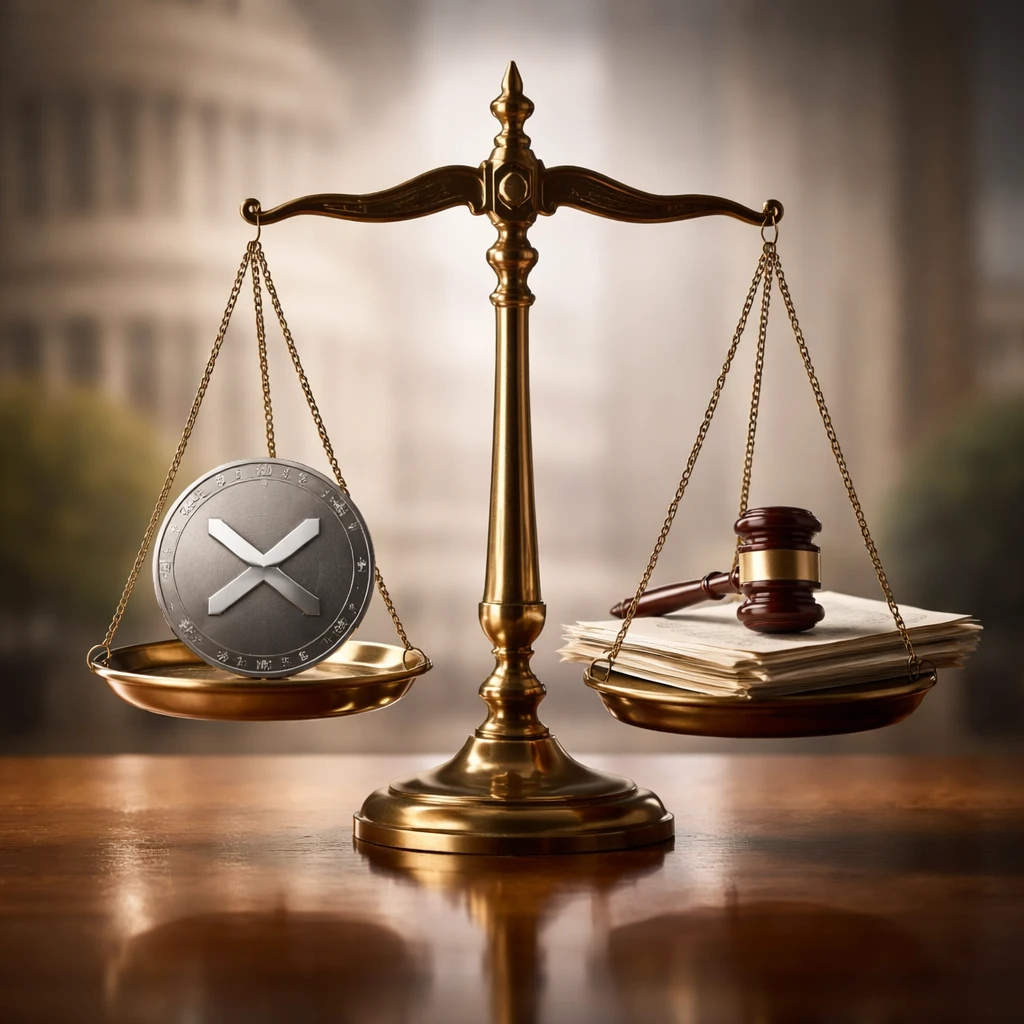

Over the previous twelve months, XRP has seen its price fall roughly 18%, a trend consistent with the broader cryptocurrency sector as the asset class retraced much of the gains recorded in late 2024. The market's prior optimism linked to Donald Trump's presidential election victory ultimately transitioned into a classic buy-the-rumor, sell-the-news scenario. Investors initially pushed prices higher in anticipation of the election outcome, only to begin liquidating positions once the result was confirmed.
Nevertheless, the broader macroeconomic outlook retains several positive aspects, with a series of regulatory and political developments contributing to a more favorable environment for cryptocurrencies. These factors warrant a thorough examination of XRP's position as a utility-centric digital token and whether it offers potential for substantial long-term financial gains.
Regulatory and Political Backdrop Bolsters Market Confidence
Unlike traditional securities or commodities, cryptocurrencies generally lack direct ties to physical assets or business profit streams. Their valuation is predominantly driven by what market participants are willing to pay, depending heavily on societal trust and levels of acceptance. Legislative progress achieved during the Trump administration, including the enactment of the Genius Act, has provided a framework for regulating stablecoins pegged to the dollar. This legislative move plays a significant role in legitimizing the cryptocurrency sector as a whole.
More consequentially, government approaches have shifted away from aggressive litigation and punitive regulatory measures. This change is exemplified by Ripple Labs' resolution of its protracted lawsuit with the Securities and Exchange Commission (SEC), in which the company was accused of selling unregistered securities to institutional investors. The settlement required Ripple Labs to pay a $125 million fine, but importantly, it removed a considerable degree of market uncertainty surrounding XRP.
The conclusion of this lawsuit stands to increase XRP's appeal among more conservative institutional investors such as pension funds, insurance firms, and university endowments. Historically, regulatory ambiguity likely dissuaded these entities from engaging in XRP-related investments. Institutional involvement is noteworthy due to its capacity to introduce substantial capital, long-term strategic perspectives, and potentially dampen price volatility, thereby contributing to market stability and growth potential.
Ripple Labs as a Central Actor in XRP’s Ecosystem
Contrasting with many cryptocurrencies that emphasize decentralization and often have anonymous development teams, XRP’s evolution is closely guided by its creator, Ripple Labs. This hands-on development approach may influence the token’s future trajectory.
Recently, Ripple Labs has expanded its portfolio by introducing RippleUSD, a stablecoin linked to the dollar but distinct from XRP itself. Both assets operate on the same blockchain ledger, with transaction fees denominated in XRP. A portion of XRP used in fees is permanently removed from circulation via a mechanism known as token burning, which could affect overall supply dynamics.
Ripple Labs is pursuing mainstream financial integration aggressively. Notably, in July it applied for a U.S. national bank charter, a step anticipated to enhance operational legitimacy and facilitate broader adoption of its stablecoin platform. Additionally, reports from November indicate Ripple is undertaking significant acquisitions, valued at around $4 billion, targeting companies in software development and brokerage services.
Furthermore, Ripple’s Chief Executive Officer, Brad Garlinghouse, has highlighted the company’s strategy of licensing its XRP ledger technology to other firms, enabling the creation of additional digital assets aligned with XRP’s underlying infrastructure.
Evaluating XRP’s Investment Outlook
Currently priced near $2 per unit, XRP ranks as the fifth-largest cryptocurrency with a market capitalization close to $125 billion. This scale indicates that extraordinary, rapid gains are unlikely in the short term, especially for new investors. However, the combination of a more supportive regulatory framework and Ripple Labs’ active innovation efforts positions XRP as a candidate for meaningful long-term appreciation.
Investors considering XRP should account for both the asset's established market presence and ongoing developments that could influence its trajectory. Enhanced clarity regarding regulation and increased involvement from institutional investors may contribute to greater market stability and growth over time.