
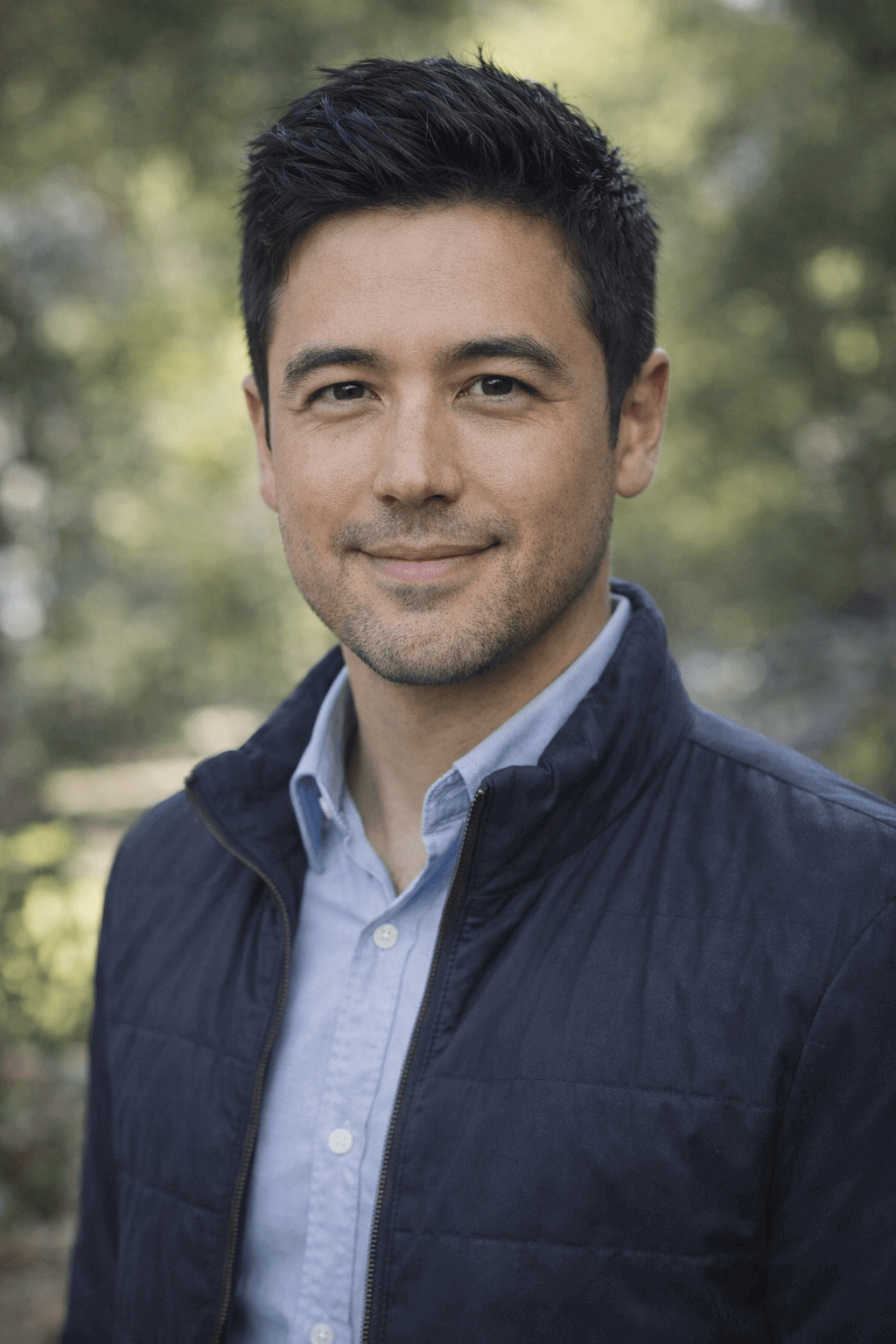
The process to determine who will succeed Jerome Powell as Federal Reserve Chair has taken an intriguing turn, spotlighting Rick Rieder, the chief bond strategist at asset manager BlackRock. This development emerges as President Donald Trump evaluates several finalists to lead the central bank beyond Powell's term expiration in May.
Sources familiar with the matter have indicated that Rieder left a positive impression during a recent interview with President Trump last week. This session marked an essential step, as it was the final scheduled meeting among the candidates proposed for the role. Notably, Rieder’s interview coincided with his attendance at a White House event recognizing the Stanley Cup Champion Florida Panthers, underscoring his rising profile in political-economic circles.
The shortlist presented to President Trump, curated by Treasury Secretary Scott Bessent who has been instrumental in overseeing the selection effort, includes four candidates: Kevin Hassett, the National Economic Council Director; Kevin Warsh, a former Fed Governor; current Fed Governor Christopher Waller; and Rick Rieder from BlackRock. This pool represents a mix of established policymakers and an investment sector outsider.
President Trump has publicly discussed his preferred candidates in recent statements. Speaking at the World Economic Forum in Davos, Switzerland, he reiterated support for Hassett, who has been widely viewed as a front-runner for some time. However, in a CNBC interview on the same day, Trump expressed admiration for Rieder, calling him "very impressive" and suggesting that the decision has narrowed significantly. Despite his confidence, Trump has a history of fluctuating in his public declarations about this appointment, adding an element of unpredictability.
The administration is grappling with the challenge of appointing someone who aligns closely with Trump’s priorities—specifically, a candidate who supports lowering interest rates aggressively—while simultaneously being palatable to financial markets and acceptable to Congress. The Federal Reserve’s deep divisions on monetary policy and governance add another layer of complexity. The White House has maintained silence concerning ongoing deliberations and any candidates until an official announcement is made.
Rieder, unlike his fellow finalists, does not bring prior direct experience within the Federal Reserve or government agencies. His background is deeply rooted in fixed-income markets and portfolio management within the private sector, notably through his long tenure at BlackRock beginning in 2009. Earlier, he founded R3 Capital Partners, which was acquired by BlackRock, and spent close to 20 years at Lehman Brothers before its collapse in 2008. His outsider status is viewed as an asset within the current administration, which has sought transformative changes in Federal Reserve operations in light of Donald Trump's criticisms of Powell’s approach.
Despite relative obscurity in Washington political circles before his nomination, Rieder has garnered a degree of respect inside the administration through his media appearances and market commentaries. He has articulated an optimistic perspective on the U.S. investment environment under the current administration, emphasizing policies that could foster sustained growth. Regarding monetary policy, Rieder has recently indicated that while labor market concerns justify a degree of caution, the Fed is expected to initiate ‘‘modest reductions’’ in interest rates, possibly after waiting an additional meeting.
Specifically, Rieder has suggested that the Federal Reserve’s benchmark lending rate could decline to 3% from its prevailing range between 3.5% and 3.75%. This projection implies a slightly more aggressive easing path than the Fed’s 2026 forecast, which anticipates just one quarter-point reduction. He has also highlighted the socio-economic impact of higher interest rates, observing that while such rates benefit affluent, older savers, they may disadvantage small business owners and lower-income earners. Thus, cutting rates could provide broad-based relief.
President Trump has repeatedly criticized Powell for his perceived reluctance to lower rates swiftly, urging the Fed to adopt an aggressive stance on rate cuts, which became elevated amid post-pandemic inflation pressures. At Davos, Trump emphasized that U.S. interest rates should rank among the lowest globally, reinforcing his expectation for more accommodative monetary policy.
Looking ahead, the individual appointed as Fed Chair will face the formidable task of convincing the Federal Open Market Committee—a body composed of 12 voting members—of the need to implement additional rate decreases. However, current Fed officials have indicated a preference to maintain steady borrowing costs temporarily to observe economic reactions to the rate reductions enacted late last year.
Rieder’s professional experience distinguishes him from typical central banking candidates. Besides his extensive responsibilities managing fixed income portfolios at BlackRock, he has engaged with financial market policy discussions through appointments such as membership on the New York Fed’s Investment Advisory Committee on Financial Markets between 2017 and 2024. He also served as vice chairman of the US Treasury Borrowing Advisory Committee, a consultative group providing counsel to Treasury Department officials. Notably, this committee was previously chaired by Cleveland Fed President Beth Hammack prior to her regional bank appointment.