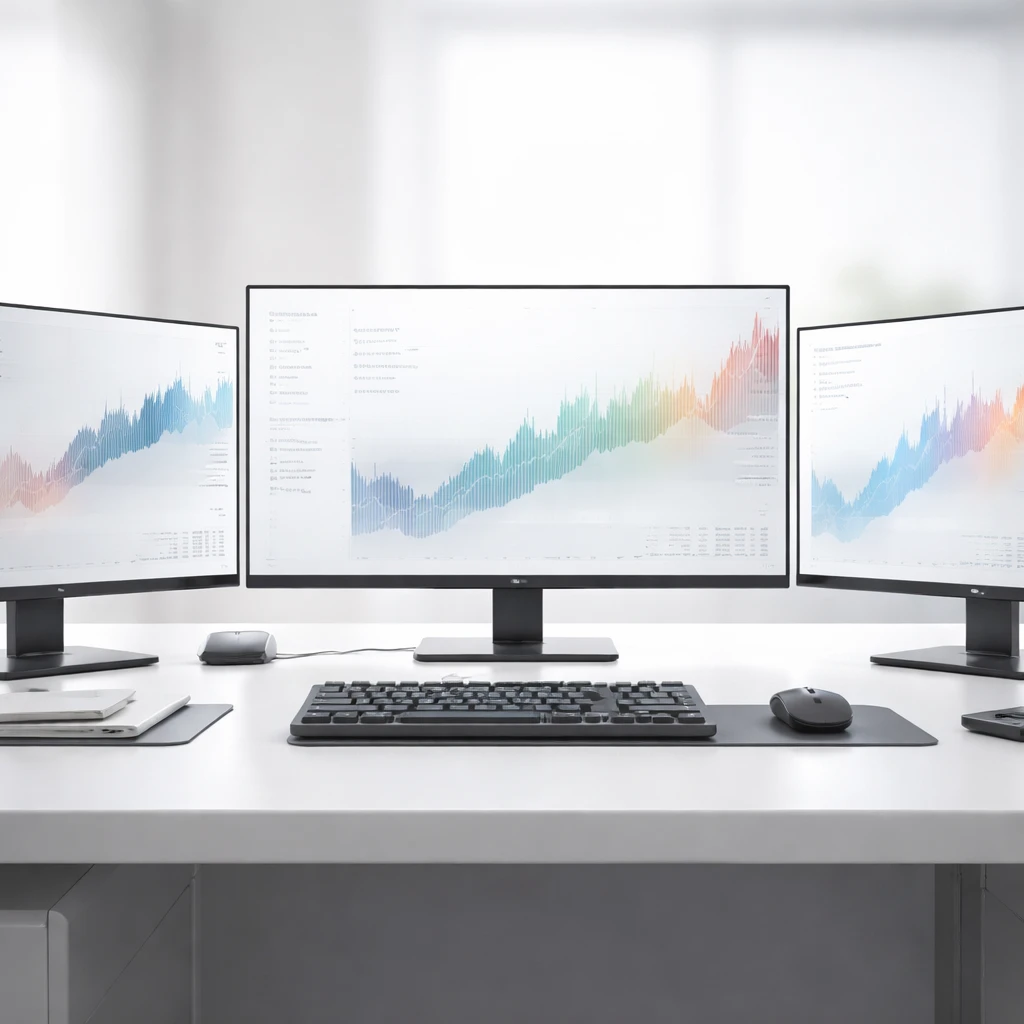

Developing a reliable trading infrastructure is a foundational step for anyone serious about stock market trading. Without a well-structured setup encompassing technology, data management, order execution processes, and contingency plans, traders risk inconsistent performance, unexpected errors, and avoidable losses.
What Is a Trading Infrastructure?
A trading infrastructure refers to the complete ecosystem that supports your trading activities. It includes the hardware and software you use, your data sources, workflow processes, and systems designed to manage risks and unexpected events. Think of it as the operational backbone that enables you to make disciplined, informed trading decisions and execute them efficiently.
Why Is Trading Infrastructure Important?
- Consistency: A reliable setup enables repeatable processes that reduce errors and support disciplined trading.
- Speed and Efficiency: Good hardware and software allow swift market data access and trade execution.
- Risk Management: With reliable systems and clear processes, it's easier to control risks and avoid costly mistakes.
- Resilience: Proper contingency planning mitigates interruptions caused by technology failures or personal emergencies.
Core Components of Trading Infrastructure
1. Hardware Setup
Your physical equipment directly impacts how smoothly you trade. Key considerations:
- Computer: Use a fast, reliable desktop or laptop with sufficient memory and processing power to support multiple applications (charting, brokerage platform, news feeds).
- Monitors: A multi-monitor setup (at least two screens) helps you track charts, orders, and news simultaneously.
- Connectivity: A stable, high-speed internet connection with backup options (secondary ISP, mobile hotspot) prevents loss of access during critical moments.
- Input Devices: A comfortable keyboard and mouse or other input devices improve efficiency and reduce fatigue.
2. Software and Platforms
Your software ecosystem supports analysis, order entry, data tracking, and communication:
- Trading Platform: Choose a broker and platform with low latency, reliable order execution, and the features that suit your strategy (e.g., real-time quotes, charting tools, order types).
- Charting Software: Dedicated charting platforms or integrated broker tools to perform technical analysis.
- News Feeds and Alerts: Use reliable sources for news and economic data; customize alerts to avoid information overload.
- Data Management Tools: Spreadsheet programs or specialized software to track and analyze your trades and performance.
- Backup and Security Software: Antivirus, firewall, and regular backups to protect your setup and data.
3. Workflow and Routine Processes
A defined workflow ensures your trading actions are systematic and well-prepared.
- Pre-market Routine: Review watchlists, scan for news and earnings announcements, check economic calendar.
- Trade Execution: Follow clear entry and exit plans, use order types appropriately, and manage risk per trade.
- Post-trade Review: Record trades in your journal, note lessons learned, and update your trading plan.
4. Risk and Contingency Planning
Prepare for unexpected events to keep your trading on track:
- Backup Systems: Secondary devices and internet connections ready in case of failures.
- Order Execution Contingencies: Use stop-losses and limit orders to automate risk management if you lose access.
- Emergency Protocols: Have a checklist for technical issues or personal emergencies, including contact info for broker support and steps to secure your positions.
Step-by-Step Checklist to Build Your Trading Infrastructure
- Assess Hardware Needs: Choose a reliable computer with sufficient specs; set up at least two monitors.
- Secure Internet: Subscribe to a high-speed ISP and arrange backup connectivity.
- Select Trading and Charting Platforms: Research and test platforms that suit your strategy and budget.
- Organize Software Tools: Install and set up news feeds, trade journals, tracking spreadsheets, and security software.
- Design Your Workflow: Create written routines for pre-market prep, trade execution, and post-trade review.
- Establish Risk Management Measures: Include automated orders and contingency plans.
- Test Your Setup: Perform simulated trades to verify system reliability and workflow efficiency.
Worked Example: Setting Up Your Trading Infrastructure
Scenario: Alex, a beginner swing trader, wants to build a reliable infrastructure for consistent trading.
- Hardware: Alex buys a laptop with an Intel i7 processor, 16GB RAM, and an external 27-inch monitor to complement the built-in screen.
- Connectivity: Alex subscribes to a fiber-optic internet plan and sets up a 4G hotspot as a backup.
- Broker and Platform: After testing, Alex chooses a broker with a user-friendly platform offering real-time data, advanced order types, and low commissions.
- Charting & News: Alex uses an integrated charting tool and subscribes to a financial news feed with customizable alerts.
- Workflow: Alex drafts a daily checklist covering watchlist updates, pre-market briefing, trade execution discipline, and journaling trades post-market.
- Risk Management: Alex sets stop-loss orders aligned with risk tolerance and creates a procedure for handling technical issues (e.g., contacting support, switching to backup internet).
- Practice: Alex conducts paper trades to familiarize with the system, noting any bottlenecks or missing tools to address.
Common Mistakes to Avoid
- Overcomplicating Setup: Avoid buying unnecessary software or hardware that adds confusion and complexity without benefit.
- Neglecting Backup Plans: Failing to prepare for technical or connectivity failures can lead to major losses or missed opportunities.
- Inconsistent Routine: Lack of daily processes weakens discipline and increases emotional trading mistakes.
- Poor Data Management: Neglecting trade journaling and record organization limits your ability to learn and improve.
- Ignoring Security: Skipping antivirus or backup can risk data loss or system compromise.
Practice Plan (7 Days)
- Day 1: Review your current hardware; list needed upgrades or backups.
- Day 2: Research and trial at least two trading platforms suited to your style.
- Day 3: Draft your daily trading workflow with pre-market, execution, and post-trade steps.
- Day 4: Set up a simple trade journal template (spreadsheet or software).
- Day 5: Create a contingency checklist for scenarios like connection loss or system failure.
- Day 6: Conduct a full day of paper trading using your new setup and workflow.
- Day 7: Review your week, note improvements, and adjust your infrastructure and process as needed.
Summary
Building a reliable trading infrastructure is not just about technology but also about designing consistent processes and preparing for risks. By investing time to set up hardware, select appropriate software, standardize workflows, and create contingency plans, you lay a solid foundation for disciplined, confident trading.