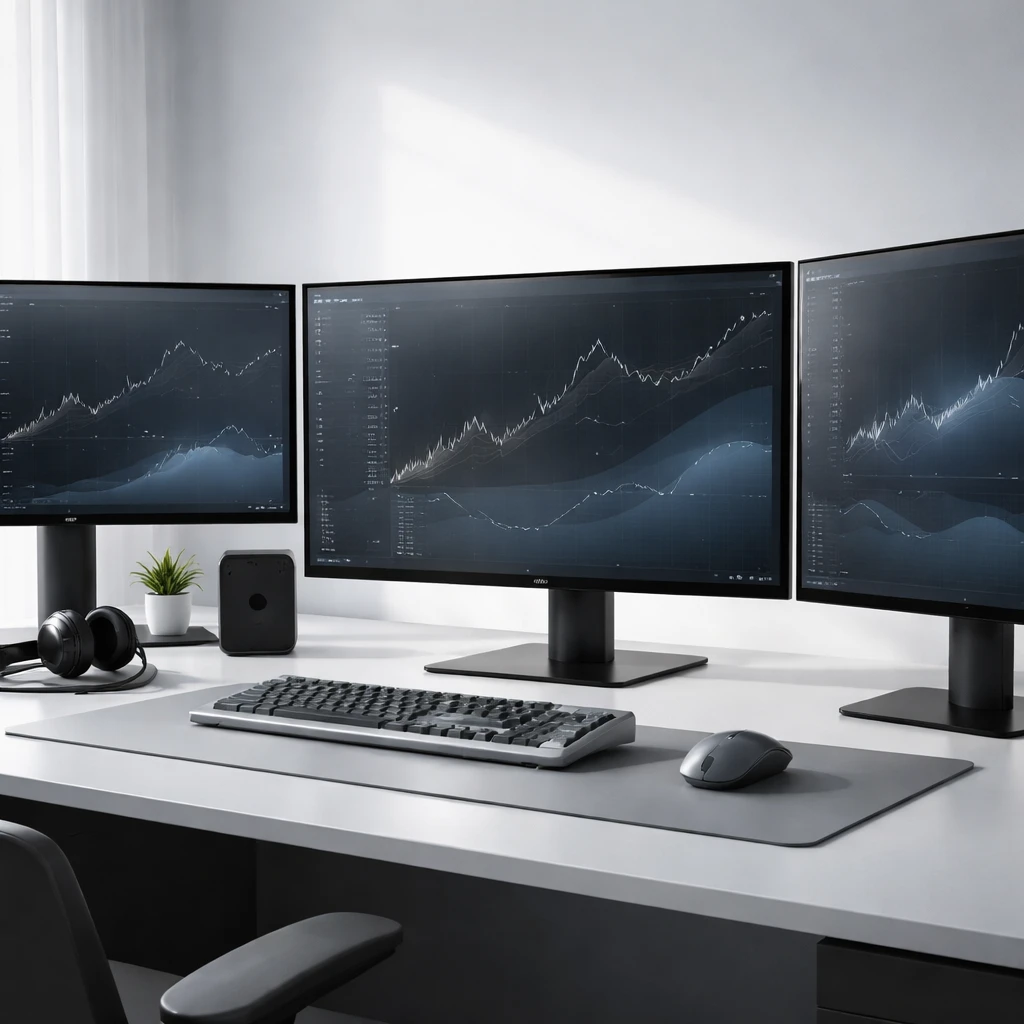

When it comes to successful stock trading, often the focus is placed primarily on strategy – the entry and exit rules, risk management techniques, or psychological discipline. While these elements are critical, none will unlock your potential fully without a solid trading infrastructure underneath. Trading infrastructure is the combination of technology, processes, and environment that supports your daily trading activities in a reliable, efficient, and disciplined manner.
What Is Trading Infrastructure and Why Does It Matter?
Trading infrastructure includes everything from the computer hardware and trading software you use, to the quality and timeliness of market data feeds, your order execution systems, and daily routines that keep your analysis and trade execution seamless. Without a dependable setup, even the best strategies can falter due to slow execution, missed signals, or stress-induced mistakes.
Key Benefits of a Robust Trading Infrastructure
- Consistency and Discipline: A structured routine supported by reliable tools reduces impulsive decisions and technical errors.
- Improved Execution Speed and Accuracy: Good hardware and software combined with fast data feeds help you act on trading signals quickly.
- Risk Management Support: Infrastructure enables proper position sizing, stop placement, and easy monitoring of trades and account status.
- Contingency Readiness: Backup systems and clear protocols help you manage unexpected disruptions calmly and systematically.
Step 1: Setup Reliable Hardware and Network
Your hardware is the foundation for running your trading software and accessing market data. Choose equipment that is fast, stable, and reliable.
- Computer: Opt for at least a modern multi-core processor with 8GB or more RAM. Consider using a dual-monitor or multi-monitor setup to view charts, news, and order entries simultaneously.
- Internet Connection: High-speed and stable broadband or fiber is essential. A wired connection is preferred over Wi-Fi to reduce latency and connection drops.
- Backup Power: Use an Uninterruptible Power Supply (UPS) to keep your system running during power outages and prevent data loss.
Step 2: Choose Appropriate Trading Software and Data Sources
Your trading platform and market data feed are your day-to-day tools. They should be reliable, user-friendly, and suited to your trading needs.
- Trading Platform: Select a platform that offers the features you require such as charting, order types, alerts, and trade management capabilities. Common choices include thinkorswim, Interactive Brokers Trader Workstation, or TradeStation.
- Market Data: Use real-time data feeds from reputable providers. Delayed or unreliable data can cause missed or false signals.
- Backup Platform/Data: Consider a secondary platform or data source to verify signals or provide access in case the primary source fails.
Step 3: Organize Your Trading Workspace and Workflow
An orderly physical and digital workspace promotes focus and efficiency.
- Workspace Ergonomics: Arrange your monitors, keyboard, and mouse to minimize fatigue. Control ambient lighting and noise to stay comfortable during trading hours.
- Chart and Window Layout: Design a consistent screen layout with your favorite charts, watchlists, news feeds, and order entry windows arranged logically. Save this layout to maintain consistency every day.
- File Organization: Maintain a dedicated folder for saved charts, research files, strategy notes, and trading journals. Regularly backup important files.
Step 4: Establish Routine Processes and Checklists
Having structured routines to prepare, execute, and review trades improves discipline and reduces emotional errors.
- Pre-market preparation: Review market news, economic calendar, earnings reports, and set up your watchlist.
- Entry and exit protocols: Follow your trading plan strictly using pre-defined checklists to confirm setups and risk parameters before placing trades.
- Post-trade review: Log trade details and assess outcomes regularly to identify improvements.
- Contingency plans: Document steps to handle system failures, internet outages, or sudden market events.
Sample Daily Trading Checklist
- Review overnight market developments and relevant news
- Check economic calendar and earnings announcements
- Update watchlist with qualifying stocks based on your criteria
- Verify trading platform and data feed functionality
- Set alerts and prepare charts for potential trade setups
- Confirm position sizing and set stop-loss and take-profit levels
- Record planned trades with rationale in journal or trading log
- At session close - review trades, note lessons learned, and backup your data
Step 5: Implement Contingency and Backup Systems
Unexpected disruptions can severely impact your trading if unprepared. To maintain control under adverse conditions, prepare backups and contingency plans.
- Redundant Internet: Have a mobile hotspot or secondary internet connection for backup.
- Secondary Trading Device: Keep a laptop or tablet ready with your trading platform installed for emergency use.
- Data Backup: Use cloud services or external drives to backup your charts, trading journals, and configuration files regularly.
- Emergency Procedures: Define clear actions for scenarios like power failure, system crashes, or connectivity loss.
Worked Example: Setting Up a Trading Infrastructure for a Day Trader
Scenario: You plan to day trade high-volume stocks using technical analysis and require real-time data and fast order execution.
- Purchase a high-performance desktop with an Intel i7 processor, 16 GB RAM, and dual monitors.
- Subscribe to Interactive Brokers for trade execution and live data, plus a secondary subscription to a real-time news service like Benzinga Pro.
- Set up a wired broadband connection with a UPS backup.
- Establish your workspace with ergonomic seating and lighting.
- Create a screen layout with charts on the left monitor and order entry/workflow on the right.
- Develop a pre-market checklist covering news review, watchlist preparation, and system checks.
- Prepare a trade journal Excel spreadsheet and backup folders in Dropbox.
- Create an emergency plan with your phone’s hotspot ready and your laptop set up for alternative execution.
Common Mistakes to Avoid
- Neglecting Backup Systems: Failure to prepare for internet or power outages can lead to costly missed trades or rash decisions.
- Overloading Your Setup: Running too many programs or having a cluttered screen can cause slowdowns or distraction.
- Ignoring Updates and Maintenance: Outdated software, drivers, or hardware can create stability issues and security risks.
- Lack of Routine: Without structured daily processes, you risk impulsive trading and inconsistent execution.
- Not Testing Your Infrastructure: Not running simulations or dry runs can leave you unprepared for technical problems under live conditions.
Practice Plan (7 Days)
- Day 1: Assess your current hardware and internet reliability; note needed improvements.
- Day 2: Research and select a trading platform suitable for your strategy; install and familiarize yourself with it.
- Day 3: Set up your workspace ergonomically; arrange monitors and test lighting and seating comfort.
- Day 4: Build a pre-trade checklist tailored to your process; practice walking through it with past setups.
- Day 5: Create or update a digital trade journal template; review recent trades to identify logging improvements.
- Day 6: Research and plan contingency steps for common disruptions; test backup internet or alternative execution devices.
- Day 7: Perform a simulated trading session using your full infrastructure and checklist; note issues and areas for adjustment.
Summary
Building a robust stock trading infrastructure is a crucial but often neglected step toward consistent and effective market participation. By investing in reliable technology, organizing your workspace, implementing structured processes, and preparing for contingencies, you create an environment that supports your trading goals while minimizing errors and stress. Establish your personalized infrastructure gradually, practice your routines, and continuously refine your setup to trade with greater confidence and discipline.