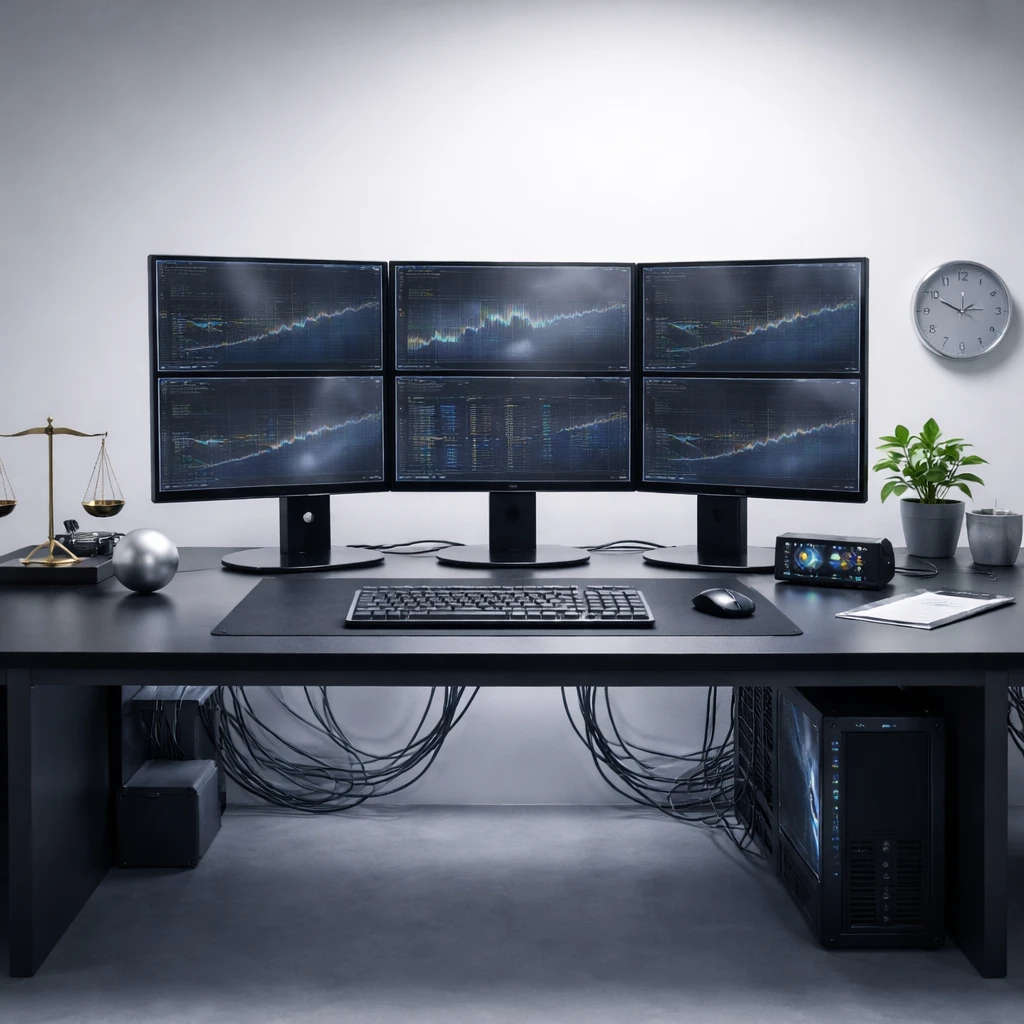

For stock traders aiming for consistent success, an often overlooked but fundamentally critical component is their trading infrastructure. Trading infrastructure refers to the combination of tools, systems, processes, and setups that enable traders to analyze markets, execute trades efficiently, and manage risks effectively. Without a reliable infrastructure, even the best strategies can falter because of execution errors, delayed data, or undisciplined responses to market conditions.
Why Trading Infrastructure Matters
Your trading infrastructure forms the backbone of your trading routine. It affects how quickly you receive market data, how reliably your orders are placed, how efficiently you can analyze opportunities, and how well you can cope with unexpected events. A solid infrastructure helps reduce costly mistakes, improves your decision-making speed, and supports disciplined risk management.
Core Components of a Trading Infrastructure
Building a comprehensive trading infrastructure involves addressing several key components:
1. Hardware
Hardware includes your computer, monitors, internet connection, and peripherals. Reliable and fast hardware reduces lag, enhances multi-tasking capabilities, and supports advanced charting and order execution software.
- Use a multi-core processor with at least 8 GB of RAM (16+ GB preferred for advanced setups)
- Have multiple high-resolution monitors for simultaneous chart, news, and order execution views
- Select a wired internet connection with stable, high-speed access (min 100 Mbps download/upload)
- Use a reliable UPS (uninterruptible power supply) to protect against outages
- Keep peripherals like mouse and keyboard ergonomic and responsive
2. Software and Platforms
Your choice of trading software directly impacts your ability to monitor markets, execute trades, and manage positions.
- Trading Platform: Choose a reputable platform that offers fast order execution, intuitive interface, and advanced order types aligned with your trading style.
- Charting Tools: Use flexible charting software that supports multiple timeframes, indicators, and annotations.
- News and Data Feeds: Access timely market news and real-time data to stay informed and react promptly.
- Trade Management Tools: Utilize tools such as watchlists, alerts, and trade journals integrated into or alongside your platform.
3. Workflow and Process Design
Having clear, repeatable workflows reduces decision fatigue and chances for errors.
- Pre-Market Routine: Review watchlists, economic calendar, and sector news.
- Trade Execution Procedure: Step-by-step process for placing orders, setting stops, and managing positions.
- Post-Trade Review: Log trades immediately in journals and analyze execution quality.
- Contingency Plans: Procedures for connectivity issues, technical failures, or unexpected personal interruptions.
4. Risk Management Systems
Managing risk during execution requires discipline and systems to detect and respond swiftly.
- Set predefined maximum daily loss limits and position size limits within your platform or trading plan.
- Use stop-loss and take-profit orders consistently.
- Monitor margin and leverage to prevent overexposure.
- Keep backup plans for emergency exits if standard execution methods fail.
A Worked Example: Setting Up a Basic Trading Infrastructure
Scenario: An active swing trader is building a cost-effective but reliable trading infrastructure.
- Hardware: Purchases a laptop with an Intel i7 processor, 16 GB RAM, and a 1 Tb SSD. Adds a second monitor to extend screen real estate. Uses wired ethernet with 200 Mbps broadband and an UPS for power backup.
- Software: Chooses a trusted brokerage platform that offers real-time data and advanced orders. Adds a dedicated charting software for multi-timeframe analysis. Subscribes to a financial news feed service for market updates.
- Workflow: Develops a daily routine: pre-market news and watchlist review, defined order placement checklist, and daily trade journaling habit.
- Risk Management: Sets daily loss limits, uses stop-loss orders on every trade, and manually monitors available margin.
This basic setup supports consistent trade execution and risk controls while allowing future upgrades as capital and expertise grow.
Common Mistakes When Building Trading Infrastructure
- Neglecting Internet Reliability: Unstable or slow internet leads to delayed data and failed orders.
- Overloading with Complex Software: Using too many tools without clear purpose causes distractions and slow responses.
- Lack of Backup Plans: Not preparing for technical failures or power outages can lead to missed stop-loss executions or unmanaged trades.
- Insufficient Testing: Adding new hardware or software without testing under live conditions risks unexpected issues.
- Ignoring Workflow Discipline: Failing to follow consistent trade routines results in missed steps and emotional errors.
Practice Plan (7 Days) to Build Your Trading Infrastructure
- Day 1: Assess your current hardware and internet setup; list any weaknesses.
- Day 2: Research and shortlist trading platforms and charting tools suitable for your style.
- Day 3: Set up your primary trading workstation; install essential software and organize monitors.
- Day 4: Develop your daily trade execution workflow; write a checklist for order placement and risk controls.
- Day 5: Create a contingency plan for internet outages and power loss; test backup power solutions.
- Day 6: Practice live order execution using your infrastructure with small, simulated trades or low-risk entries.
- Day 7: Review your week, journal challenges faced, and optimize your workflow and setup accordingly.
Key Points
- Reliable hardware, software, and connectivity form the essential foundation for consistent stock trading execution.
- Well-defined workflows, risk management systems, and contingency plans enhance discipline and reduce costly mistakes.
- Regularly review and adapt your infrastructure to address weaknesses and changing trading demands.
Risks and Pitfalls
- Execution delays and errors due to faulty infrastructure can lead to slippage and unexpected losses.
- Overcomplex setups may cause distraction, slow decision-making, and introduce technical failures.
- Ignoring contingency planning can leave you vulnerable during unexpected technical or personal disruptions.