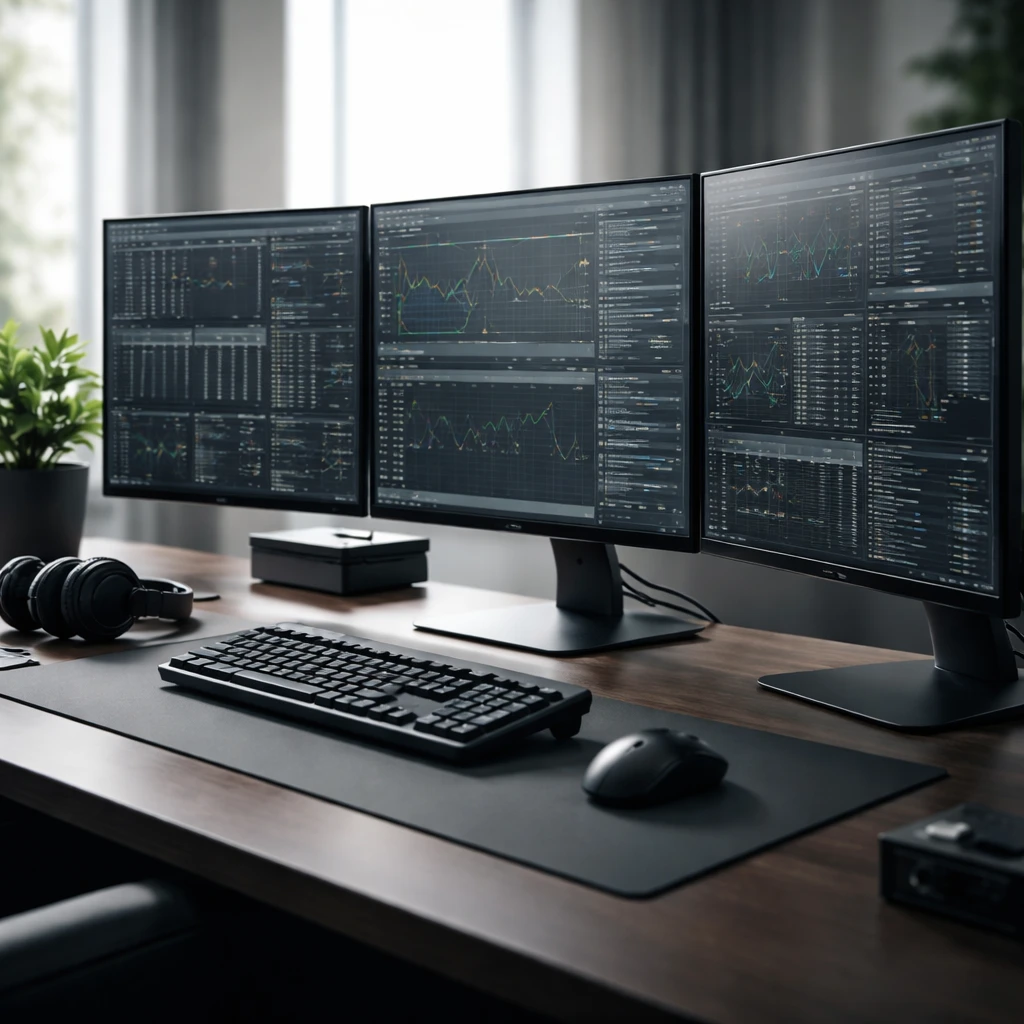

In stock trading, a solid infrastructure is the foundation that supports all your strategies, decisions, and executions. Whether you trade part-time or full-time, beginner or intermediate, establishing a robust environment is critical for maintaining consistency, controlling risk, and reducing avoidable mistakes.
Why Your Trading Infrastructure Matters
Many traders focus intensely on market analysis but overlook the systems and routines that actually enable smooth trade execution and risk control. A strong infrastructure helps you:
- Execute trades reliably and efficiently without technical glitches or delays
- Access timely, accurate market data to make informed decisions
- Manage orders and risk systematically following your plans
- Maintain emotional composure by reducing operational stresses and distractions
- Maintain discipline through consistent routines and checklists embedded in your workflow
Key Components of a Robust Trading Infrastructure
Let's break down the main building blocks you should address to shape a dependable trading environment.
1. Hardware Setup
- Computer(s): Use reliable, fast computers with sufficient processing power and memory to run trading platforms and data feeds smoothly.
- Multiple Monitors: Consider dual or triple monitors for parallel charting, order management, news feeds, and notes.
- Internet Connection: A high-speed, low-latency internet connection is essential to reduce delays and avoid missed opportunities or slippage.
- Backup Power: Consider an uninterruptible power supply (UPS) to protect against outages during critical trading hours.
2. Software and Tools
- Trading Platform: Select a platform that offers stability, fast execution, and tools aligned with your trading style.
- Charting Software: Use reliable charting services with features you need, such as multi-timeframe views, indicators, and alerts.
- Data Feeds: Subscribe to real-time, accurate market data (Level 1 or Level 2) depending on your trading requirements.
- Order Management: Integrate order entry and exit workflows to monitor and manage risk efficiently.
- Backup and Recovery Tools: Use cloud storage or external drives to save trading logs and workspaces.
3. Workflow and Routine Design
- Pre-Market Checklist: Prepare watchlists, check economic calendars, and review news.
- Trade Execution Procedures: Implement clear step-by-step order placement processes (entry, stop-loss, take-profit).
- Post-Market Review: Analyze trade results, update journals, and reflect on lessons.
- Contingency Planning: Prepare for technical failures, connectivity issues, or unexpected market events.
Step-by-Step Checklist to Build Your Trading Infrastructure
- Assess Your Needs: Define your trading style, time horizon, and goals to identify required tools.
- Select Hardware: Choose computers, monitors, internet, and peripherals meeting your specifications and budget.
- Choose Software: Research and test trading platforms and data feeds aligned with your style.
- Design Workflow: Draft daily and session-based routines to manage orders, data, and reflection.
- Set Up Backup Plans: Implement data backup systems, power backup, and alternative access methods.
- Test and Optimize: Simulate order execution, monitor latency, and refine tools and routines for smooth operation.
- Document Procedures: Maintain a manual or checklist describing your infrastructure and workflows for easy reference.
Worked Example: Building a Moderate-Cost Trading Infrastructure
Scenario: Alex is an intermediate swing trader focusing on U.S. stocks. He aims to establish a reliable yet cost-effective trading setup with multiple monitors, a stable internet connection, and disciplined routines.
- Hardware: Alex chooses a laptop with an i7 processor and 16GB RAM, plus two 24-inch monitors for charting and order entry.
- Internet: He upgrades to a fiber-optic 100 Mbps connection with a Wi-Fi backup on a mobile hotspot.
- Software: He subscribes to a well-rated trading platform with real-time Level 1 quotes and charting tools supporting swing trading indicators.
- Data Backup: Alex uses cloud services for backups of trading workspaces, journals, and screen layouts.
- Routine: He creates checklists for pre-market preparation, trade execution, and post-market review, including a contingency plan for tech failures.
- Testing: Alex practices order entries in a demo account to familiarize himself with execution speed and platform stability.
- Documentation: He compiles an operational manual covering hardware specs, software logins, checklist locations, and emergency contacts.
Common Mistakes to Avoid
- Underestimating Importance of Infrastructure: Ignoring the setup can lead to missed trades, slippage, and frustration.
- Using Outdated or Unreliable Hardware: Sluggish or crashing computers undermine your ability to act quickly and confidently.
- Neglecting Data Quality: Poor or delayed data feeds introduce errors and ill-timed decisions.
- Skipping Routine and Documenting: Without clear workflows and documentation, inconsistency and emotional trading increase.
- Ignoring Contingency Plans: Without preparations for technical or market disruptions, traders risk panic and losses.
Practice Plan (7 days)
Use the following daily mini-tasks to build your trading infrastructure step-by-step.
- Day 1: Define your trading style, preferred instruments, and typical trade timeframes.
- Day 2: Audit your current hardware and internet setup; list upgrades needed for reliability.
- Day 3: Research and shortlist trading platforms and data feed options; try demos if possible.
- Day 4: Draft your daily trading routine, including pre-market prep, execution steps, and review.
- Day 5: Set up backup and contingency plans for power failures, internet outages, or software crashes.
- Day 6: Organize workspace ergonomics and multi-monitor layout for efficiency and comfort.
- Day 7: Simulate a full trading session with your setup; take notes on areas needing improvement and document your processes.
Key Points
- Trading infrastructure includes hardware, software, data, workflows, and contingency plans that support disciplined trading.
- A well-designed setup reduces execution delays, emotional stress, and errors, improving consistency and risk management.
- Building your infrastructure is an ongoing process; regular review and optimization are vital as your trading evolves.
Risks and Pitfalls
- Technical Failures: Hardware or internet outages can cause missed opportunities or forced trade exits.
- Information Delays: Slow or inaccurate data feeds may result in poor decision-making and execution slippage.
- Over-Complexity: Excessive tools or monitors can cause distraction, reducing clarity and focus.
Disclosure
This article is for educational purposes only and does not constitute financial advice. Trading involves risk, and individuals should conduct their own research and consider their personal circumstances before making trading decisions.