
California Advances High-Speed Rail Track-Laying Amid Federal Funding Challenges
December 30, 2025
Finance

California Advances High-Speed Rail Track-Laying Amid Federal Funding Challenges

Governor Newsom Confirms Project Progress and Financial Integrity Despite Reduced Support from Trump Administration

Summary

California remains steadfast in its pursuit to develop a high-speed rail system connecting Los Angeles and San Francisco. Governor Gavin Newsom highlighted that the project has entered the track-laying phase and has successfully passed audits, even as significant federal funding was withdrawn during the previous administration.

Key Points

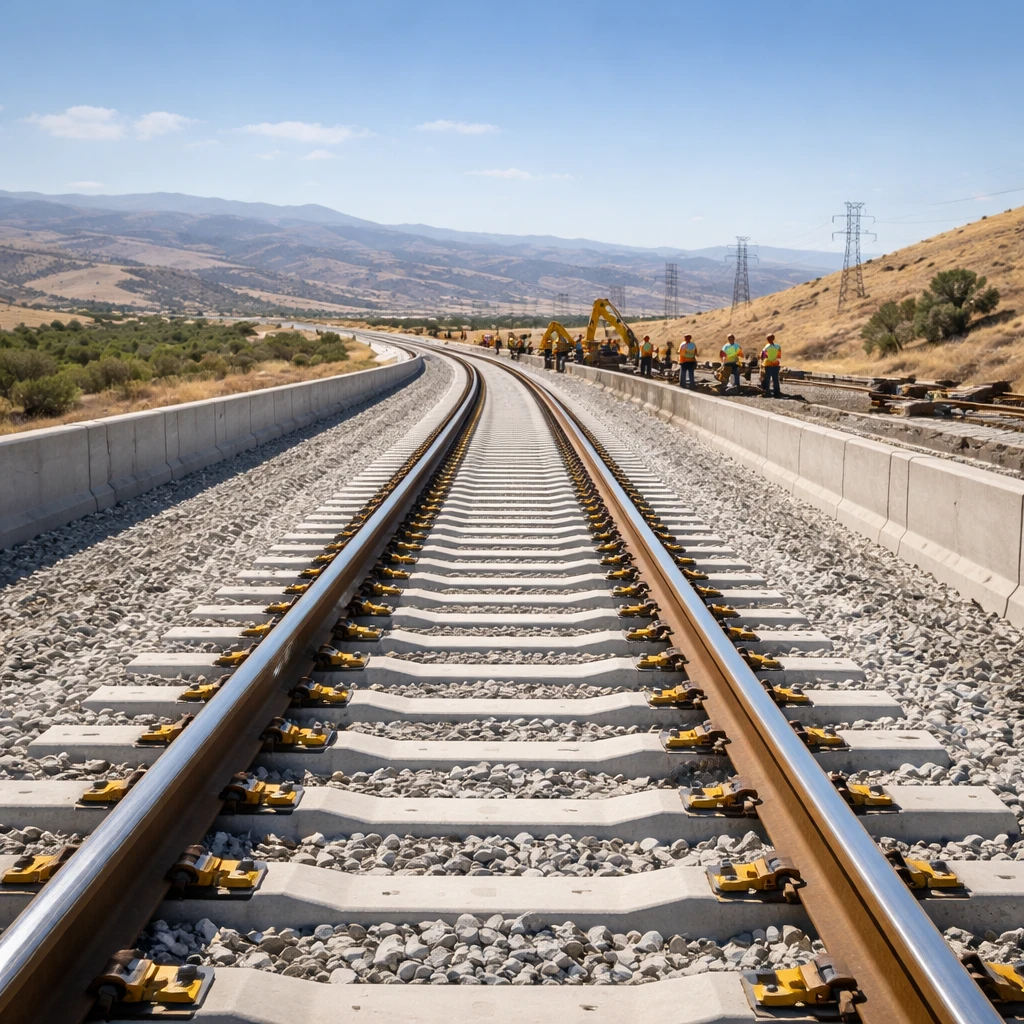
California's high-speed rail project has officially entered the track-laying phase, signaling forward movement in construction.
The project has generated more than 16,400 jobs and involves over 171 miles currently under design and construction.
More than 60 structures integral to the rail system have been completed to date.
The initiative has passed multiple financial audits, demonstrating accountability despite federal funding cuts.

Governor Gavin Newsom emphasized California's ongoing commitment to the high-speed rail initiative linking Los Angeles to San Francisco, despite facing financial setbacks following federal funding reductions imposed under the Trump administration. The project’s progression was affirmed through official updates that detailed key milestones and fiscal accountability measures.

Information disseminated through the Governor’s Press Office on the social platform X conveyed that the rail project has advanced into the track-laying stage. This development marks a critical phase in the construction timeline, indicating tangible advancement beyond preliminary design and groundwork.

The update highlighted that the expansive infrastructure endeavor has already generated over 16,400 employment opportunities, reflecting significant economic impact and workforce engagement within the state. In terms of physical scope, more than 171 miles of the project are currently active in design and construction phases, showcasing the scale and ambition of this transit corridor enhancement.

Furthermore, the project has completed the construction of over 60 related structures, which are essential components supporting the rail system's functionality. These infrastructural elements contribute to the foundational readiness required for eventual operational commencement.

Fiscal oversight remains a prominent focus, with reports confirming the project has consistently passed audits concerning its financial accounts and usage of funds. Documentation provided included references to the finance committee’s board meetings. It is noteworthy that the scheduled meeting for November 20 was cancelled; however, this did not diminish the transparency or audit outcomes recorded previously.

Despite the financial hurdles, including the Trump administration’s withdrawal of $4 billion in designated funding, efforts continue unabated. Communications stressed that this reduction in federal assistance would not halt or derail the project’s trajectory.

Complementing these developments, Transportation Secretary Sean Duffy praised a judicial ruling from a California court that dismissed the lawsuit challenging the federal withdrawal of funds. Secretary Duffy interpreted the court's decision as beneficial for taxpayers by averting further legal expenses and potentially accelerating project advancements without federal legal entanglements.

Earlier fiscal decisions by the previous administration also involved redirecting $2.4 billion initially allocated to the high-speed rail project into a larger $5 billion fund aimed at improving passenger rail infrastructure nationwide. While this represented a notable diversion from the California-specific project, the state maintains momentum independently of these federal reallocations.

Risks
  • Significant federal funding cuts totaling $4 billion have impacted project resources.
  • A scheduled finance committee board meeting was cancelled, potentially affecting oversight timing.
  • Reallocation of $2.4 billion in funds to a separate national rail infrastructure fund reduces the direct capital available for the California project.
  • Legal and political uncertainties remain surrounding project funding and federal support.
Disclosure
This article provides factual reporting on the progress and financial status of the California high-speed rail project without investment advice or promotional content.
Search Articles
Category
Finance

Financial News

Ticker Sentiment
NONE - neutral
Related Articles
Tejon Ranch: Deep-Value Land Option Under the Surface

Tejon Ranch (TRC) is a diversified landowner turning non-current land assets into mixed-use real est...

Quince Therapeutics Experiences Massive Stock Surge Amid Strategic Advisor Engagement

Shares of Quince Therapeutics Inc (NASDAQ:QNCX) witnessed a remarkable surge of approximately 300% f...

Quest Diagnostics Reports Strong Q4 Earnings and Raises Full-Year Guidance Driving Stock Higher

Quest Diagnostics posted fourth-quarter results surpassing both earnings and revenue expectations, d...

Fiserv Reports Mixed Q4 2025 Results; Shares Rise on Earnings Beat

Fiserv, Inc. released its fiscal fourth-quarter 2025 financial results showing flat adjusted revenue...

Upstart Holdings Anticipates Q4 Earnings Release Amid Volatile Trading Dynamics

Upstart Holdings, Inc. (NASDAQ: UPST) is garnering considerable market attention as it prepares to a...

Dow Advances More Than 200 Points as Coca-Cola Reports Varied Q4 Performance

U.S. equity markets experienced a mixed session with the Dow Jones Industrial Average rising over 20...