
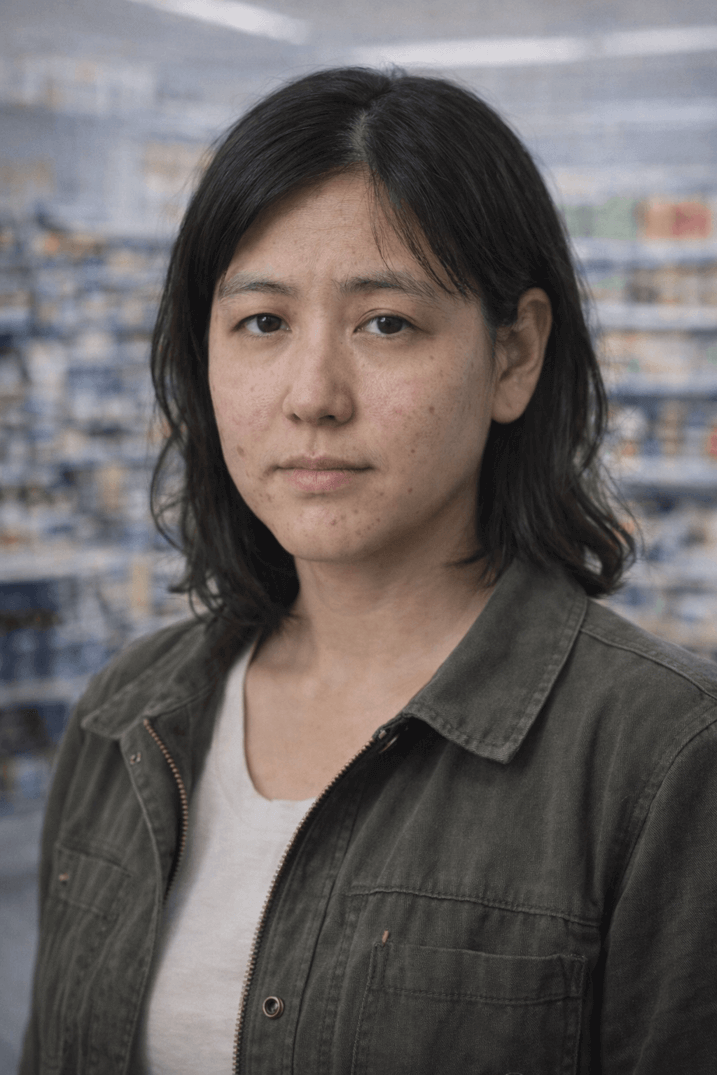
At 15, while many of her peers sought typical part-time roles, Kiana Mei took a different route, encouraged by her father to embark on her own business journey early. This pivotal decision set the foundation for her financial independence at the age of 20.
Her initial venture began with selling origami butterfly art, a craft she learned during an educational trip to Japan and refined through extended periods of COVID-19 lockdown. At 16, she started showcasing these handcrafted creations at markets across Melbourne, Australia.
The magnitude of her effort became tangible with her first sale, where a customer purchased three origami pieces for a total of $100. This milestone marked the first time Kiana realized the commercial potential of her hands-on creativity.
Expanding her offerings, Kiana integrated jewelry into her product range shortly after launching her business. Under the brand name Kiana Mei Designs, she focuses on accessible and customizable jewelry pieces combined with her origami artworks, appealing to a broad audience seeking personalized items.
Throughout her high school years, Kiana balanced academic commitments during the week with weekend market sales. Her dedication culminated in achieving some of the highest grades in her school for the 12th grade, theoretically opening doors to virtually any university program. Despite this, she chose to dedicate the following year entirely to growing her enterprise.
Kiana questioned the relevance of pursuing formal university studies in business, given her hands-on experience managing and expanding her own venture. This introspection informed her decision to forgo immediate higher education in favor of full immersion in entrepreneurship.
Now operating a stall at the Queen Victoria Market in Melbourne six days a week, she has physically separated from her parents' home, maintains financial self-sufficiency, and embraces her business path without regrets.
Yet, in reflection, Kiana identifies three key aspects she wishes she had anticipated before immersing herself in the entrepreneurial world.
1. Experiencing Social Isolation
Initially, during her school years, Kiana's social circle included peers with whom she shared both academic and casual interests. However, after graduating and moving out to focus on her business ambitions, she noticed a gradual divergence from those friendships. The differing life paths and interests led to diminished connection.
The landscape of young entrepreneurs, particularly female ones, is limited in her regional context. While she has participated in numerous networking events, the age gap between herself and other professionals often creates a disconnect, complicating efforts to find relatable peers who share similar experiences.
2. Prioritizing Physical Health and Work-Life Balance
One of Kiana's early lessons related to sustaining health amid demanding work schedules. Over the holiday season, she endured an intense stretch of 14 consecutive days at her market stall without rest breaks, which took a visible physical toll.
Standing for lengthy hours and engaging continuously with customers are more exhausting than perhaps outsiders recognize. She recalls an episode where she lost her voice for five days in August, effectively pausing her ability to earn since customer interaction is essential to her sales process.
Kiana addresses these challenges proactively by incorporating early morning exercise routines, consuming nutritious breakfasts, and adhering to consistent early bedtimes around 10 p.m., aiming to protect her well-being for sustainable business operation.
3. Accepting That Her Offerings Aren't Universally Appealing
Dealing with customer reception was an emotional learning curve for Kiana. Early in her business journey, passersby who ignored her stall prompted feelings of rejection and self-doubt.
Through time, she cultivated resilience, recognizing the reality that not all products or personalities resonate with everyone. In retail, she learned the importance of directing her energy toward engaging those truly interested and appreciative of her offerings, rather than dwelling on disinterest.
This outlook allows her to continue greeting and engaging potential customers warmly, but without personalizing any non-responsiveness, focusing instead on the next opportunity.
Kiana's story illustrates the complexities and rewards of young entrepreneurship. From leveraging unique artistic skills to navigating social shifts and health demands, she embodies a pragmatic approach to succeeding on her own terms in the competitive market environment.