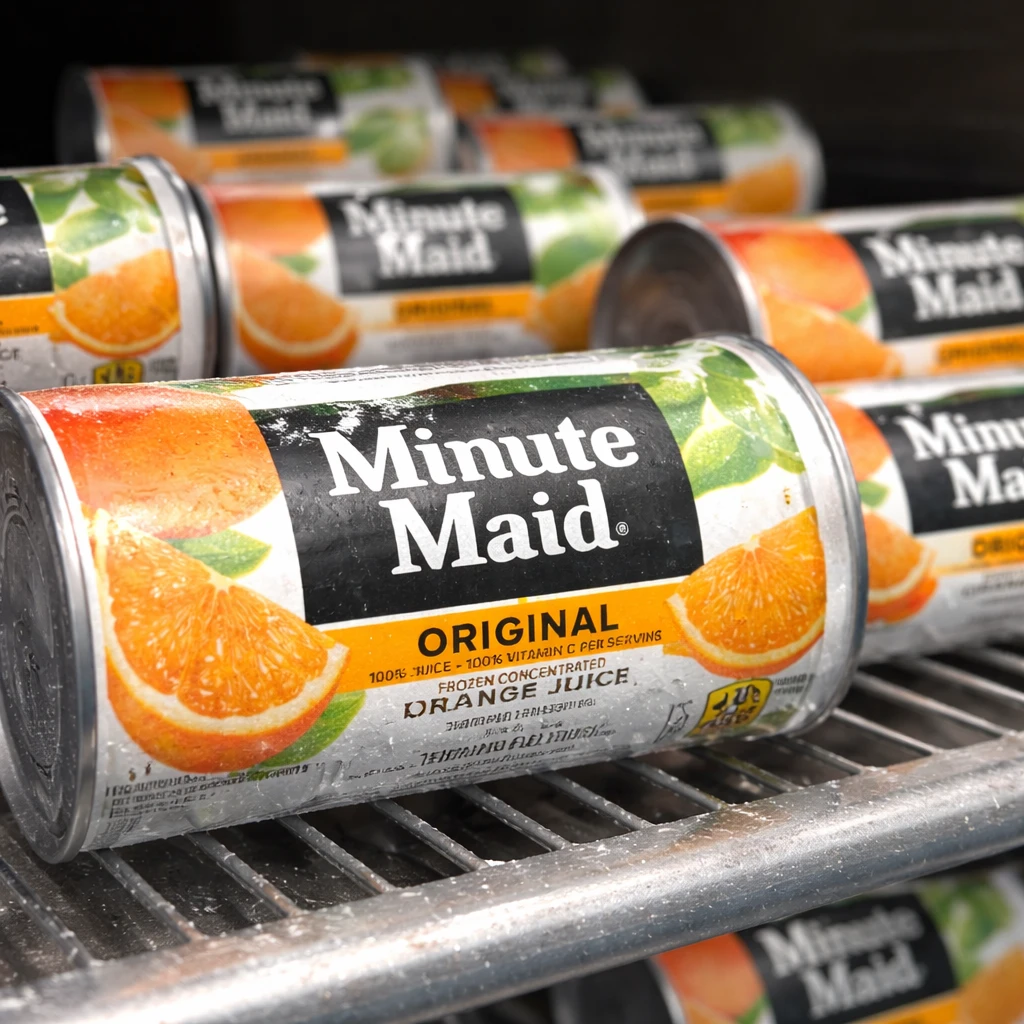

Since the mid-20th century, frozen juice concentrates have been a foundational presence in American households, propelled into popular use by Minute Maid9s pioneering efforts in 1946. That year, Vacuum Foods Corp., later rebranded as Minute Maid, became the first company in the United States to ship frozen orange juice cartons nationwide, revolutionizing how consumers accessed the beverage year-round without fresh fruit preparation.
After being brought under Coca-Cola9s corporate umbrella in 1960, the Minute Maid brand expanded its product offerings. In 1973, it launched ready-to-drink orange juice available in refrigerated cases, eliminating the need for consumers to dilute frozen concentrates. The brand further diversified in 1980 by adding lemonade and fruit punch flavors.
Despite this historical significance, Coca-Cola has officially declared its intent to discontinue Minute Maid9s frozen juice concentrate products across the U.S. and Canada by April, citing changes in consumer taste preferences that have shifted toward fresh juice alternatives. The company confirmed that frozen product inventory will be sold only while existing supplies last.
The frozen juice segment had traditionally allowed consumers a convenient option for orange juice preparation: a can of concentrated juice frozen solid could be melted and mixed with water for ready consumption. For decades, this format met the needs of households seeking the flavor of orange juice without the inconvenience of manual squeezing.
However, recent market dynamics have challenged the frozen juice category. The proliferation of alternative beverages such as energy drinks and protein smoothies has eroded orange juice9s standing among consumers. Additionally, rising commodity prices driven by adverse weather in key orange-producing regions of Brazil and Florida have caused prices for frozen orange juice concentrates to escalate significantly. For example, in December, the average cost for a 12-ounce can of frozen orange juice concentrate was $4.82, marking a 13% increase compared to the previous year, according to U.S. government statistics.
Consumer attitudes regarding added sugar content in juices have also contributed to the decline in frozen juice concentrate popularity. While Minute Maid introduced Zero Sugar versions of its fresh juice products in 2020 to address health-conscious demand, the frozen concentrate products have not experienced similar revitalization. Market data from NielsenIQ indicates that U.S. sales of frozen beverages decreased by nearly 8% over the year leading up to late January.
These combined factors have informed Coca-Cola9s strategic choice to exit the frozen juice concentrate market in North America and focus its resources on fresh juice offerings that align more closely with current consumer tastes and market trends.