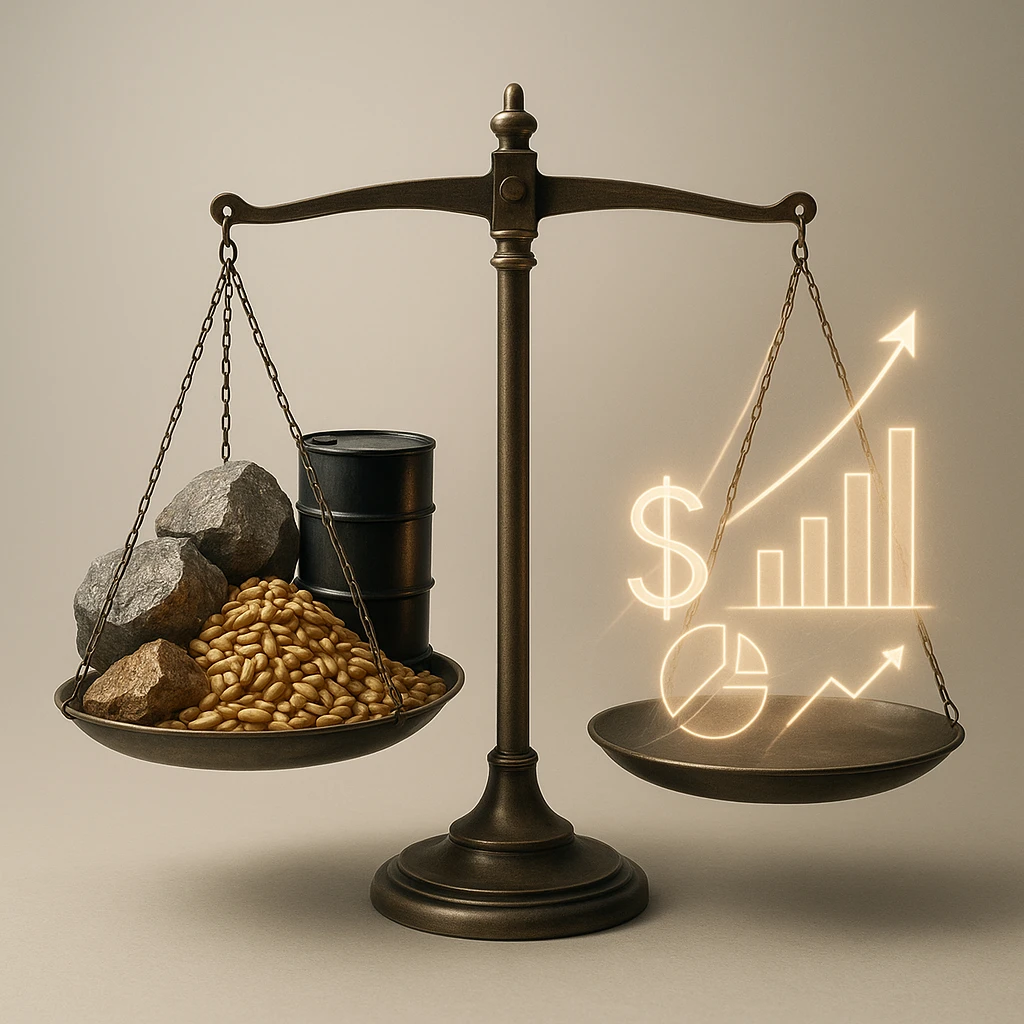

The commodities trading landscape in 2025 has been characterized more by challenges than gains, as traders grapple with a series of complex market disruptions and uncertainty. While the broader hedge fund industry enjoyed solid returns averaging around 10.7% through November, commodity-focused hedge funds saw significantly more modest gains, with the average fund delivering just 2.2%, according to data from hedge fund research company PivotalPath. This underperformance contrasts starkly against the backdrop of multi-asset growth elsewhere in the financial markets.
Several key global events contributed to commodity market volatility throughout the year. The conflict unfolding in the Middle East injected instability into oil prices, creating sharp price swings that complicated trading strategies. Concurrently, the uneven application of tariff policies, particularly those initiated under President Donald Trump's administration, led to fluctuating valuations in agricultural commodities such as soybeans. Adding to the uncertainty, the rapid expansion of data centers driven by artificial intelligence companies has dramatically altered projections for electricity demand. Industry experts, including leading investors within the energy space, remain uncertain about the full implications of these shifts, further complicating the environment for commodities traders.
Institutionally prominent commodity managers felt the effects acutely in 2025. For example, Pierre Andurand's fund, notable for its global commodities focus, experienced significant losses with trading positions related to cocoa that led to drawdowns exceeding 50% in the year's first half, as reported by Bloomberg. Similarly, Citadel, renowned for its strong performance history and differentiated natural gas trading capabilities, saw its flagship fund lag competitors for most of the year. Another major player, Millennium's commodities unit, which operates under the leadership of former Goldman Sachs executive Anthony Dewell, lost several senior portfolio managers during 2025. Although specific financial returns for Millennium’s commodities branch remain undisclosed, the outflows of talent highlight the segment's challenges.
Despite these hurdles, commodities trading remains a focal point for growth among leading hedge funds and new entrants. Multi-strategy firms, which often originated in quantitative, equity, or fixed-income trading, are increasingly seeking to broaden their asset class coverage by incorporating commodities into their business models. Unlike many asset classes, commodity trading frequently involves the handling of physical goods - buying, storing, and transporting tangible assets - a sector traditionally dominated by specialized funds competing alongside major banks and energy companies such as BP and Shell.
A recent analysis by industry data firm With Intelligence anticipates that "physical commodities will be the biggest diversification play in 2026," as both established firms and startups pursue sources of alpha inaccessible to purely quantitative methods. Reflecting this trend, multiple hedge funds have taken concrete steps to deepen their commodity exposure. Steve Cohen's Point72, for instance, has communicated to investors intentions to potentially expand into commodities soon, as reported by individuals familiar with the firm, although Point72 declined to officially comment on these plans.
Balyasny Asset Management also maintains a physical commodity trading presence, operating from offices in a Danish port city, while Jain Global allocated approximately 13% of its risk capital to commodity positions by mid-2025. Verition Asset Management has strengthened its commodity capabilities by recruiting several energy-trading portfolio managers throughout the year, further expanding expertise in the sector.
In the quant-oriented space, London-based giant Qube launched its inaugural U.S. operations in Houston, a hub known for energy trading. Another quantitative-focused firm, Squarepoint, diversified into physical metals trading during 2025, emphasizing a growing appetite within this submarket segment. Even industry leaders like Citadel and Millennium are actively expanding their commodity footprints. Citadel acquired the German energy trading company FlexPower and added senior commodities traders based in Australia during 2025. This builds upon the firm’s 2024 acquisition of Japanese power trader Energy Grid Corporation.
Citadel’s commitment to the natural gas sector intensified with approximately $1 billion invested in purchasing Paloma's assets located in the Haynesville Shale, a prolific gas-producing region that spans northern Louisiana and eastern Texas. These assets have been rebranded as Apex Natural Gas, a wholly owned Citadel subsidiary. Notably, Apex recently acquired natural gas holdings from an energy company managed by billionaire Dallas Cowboys owner Jerry Jones, according to Bloomberg reports. Meanwhile, Millennium continues to back emerging commodities-focused hedge funds based in strategic financial centers such as Paris and Singapore, maintaining its emphasis on external team allocations within the sector.
Industry observers note that multi-manager hedge funds often promote themselves as reliable providers of low-beta returns. Commodities markets, especially given their current inefficiencies and dislocations, are perceived as fertile ground for generating diversified alpha that is less accessible through traditional quant techniques. This dynamic positions commodities trading as a crucial component within broader investment portfolios aiming for resilience and differentiated performance sources moving forward.