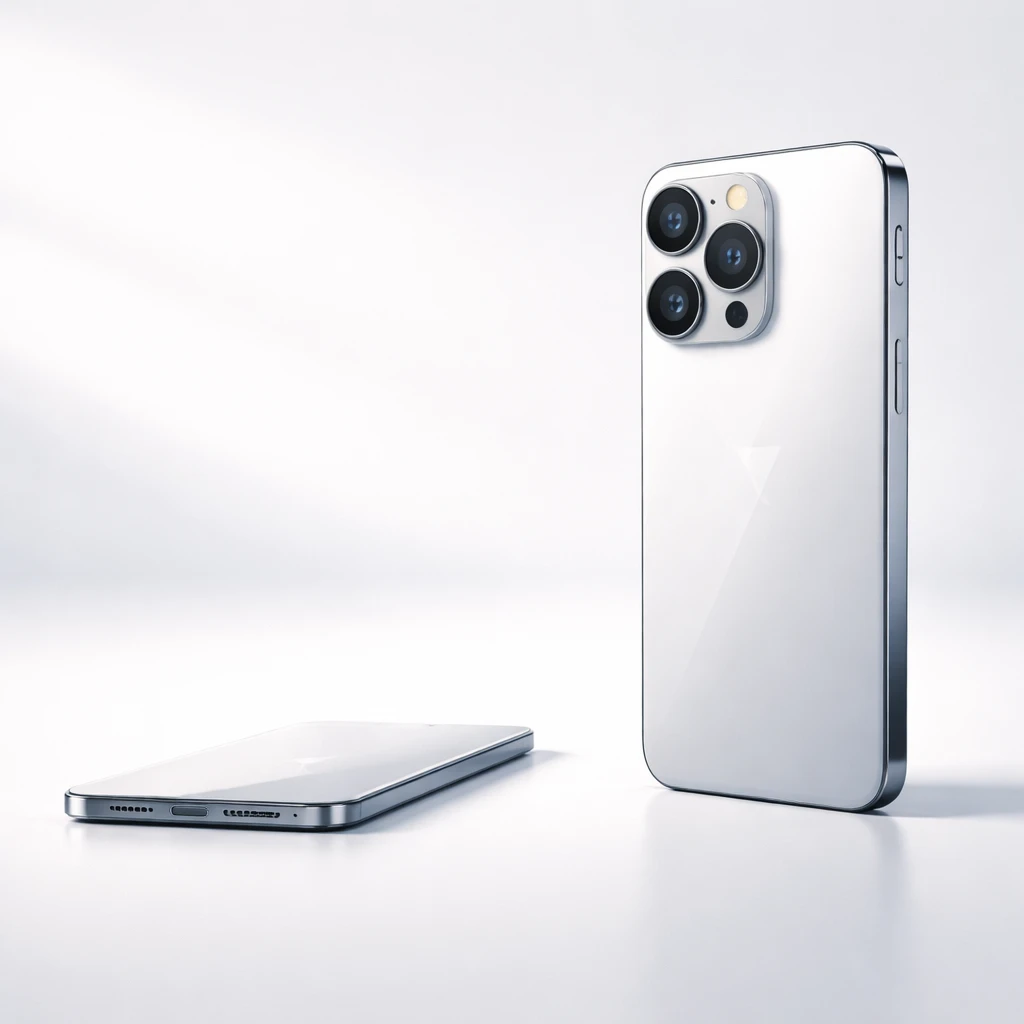

In an ambitious move last year, Apple unveiled its first major redesign of the iPhone in nearly ten years, introducing the slim and lightweight iPhone Air alongside its traditional iPhone 17 lineup. This marked a significant evolution in Apple's approach to smartphone design, aiming to offer a distinct option emphasizing portability and svelte aesthetics.
However, according to fresh market research, the consumer market response to the iPhone Air has been subdued relative to its counterparts in the 2025 lineup. Data gathered by Consumer Intelligence Research Partners (CIRP) from a survey of 500 U.S. customers who purchased an Apple device between October and December 2025 shows that just 6% chose the iPhone Air during its first full quarter on the market. By comparison, 22% acquired the standard iPhone 17, 25% went for the iPhone 17 Pro, and the premium iPhone 17 Pro Max accounted for 27% of buyer preference.
This data highlights a substantial disparity in adoption rates, spotlighting the flagship models' sustained appeal contrasted with the iPhone Air's relatively tepid market traction. The figures were shared ahead of Apple's upcoming earnings report, where the company is expected to announce aggregate iPhone revenue yet historically does not disclose unit sales by specific model.
Previous reports have already indicated a slowdown in demand for the iPhone Air. Industry observers noted production adjustments last fall, with Apple reportedly reducing manufacturing volumes for the Air model in favor of increasing output for the more popular iPhone 17 variants. Additionally, plans for a second-generation iPhone Air have been delayed, attributed to underwhelming sales performance according to multiple sources.
Market analysts offer insight into why the slimmer iPhone Air may not be captivating the typical smartphone buyer. Josh Lowitz, an analyst at CIRP, suggests that the market's primary buyers of the Air are those replacing outdated devices rather than consumers motivated by the device's thinness. Complementing this perspective, Carolina Milanesi, chief analyst at the technology analysis firm Creative Strategies, emphasizes that consumers generally do not prioritize weight and thinness in their purchasing decisions, as carrying current smartphones is perceived as adequate. These comments suggest that aesthetic changes alone may not significantly drive preference in a market where functional features and performance often dominate consumer considerations.
Apple's historical attempts to diversify its iPhone portfolio further support this trend of cautious response to divergent device formats. Earlier, the company introduced the iPhone Mini and iPhone Plus models, targeting smaller and larger form factors respectively. Both were eventually discontinued due to limited consumer enthusiasm, underscoring the challenges Apple faces when expanding beyond its conventional standard, Pro, and Pro Max categories.
When directly comparing capabilities, the iPhone Air falls short of outperforming the other 2025 models except in thinness. The iPhone 17 Pro Max boasts the largest display, extended battery longevity, and a triple-lens camera system. The 17 Pro model, positioned between size and price points, shares many features with the Pro Max but offers a more compact and affordable option. The base iPhone 17, while being the least expensive, still provides extra camera capabilities and better battery life relative to the Air. Thus, except for its slimmest profile, the iPhone Air offers fewer enhancements in core areas valued by consumers.
Despite modest sales, some analysts view the iPhone Air not merely as a standalone product but as an experimental platform integral to Apple's longer-term innovation roadmap. Its design incorporates a repositioning of the device's chips into the camera module area near the top, a reconfiguration that frees space within the main chassis for a larger battery while preserving a slim profile. Such architectural refinements could become crucial for developing future foldable iPhones, devices which are intrinsically thicker when closed, where thinness and battery efficiency are challenging to balance.
Apple's potential foldable offerings, anticipated according to various industry reports, could benefit from this new engineering foundation laid by the iPhone Air. Early adopters of devices with pioneering designs and features, like the Air and foldables, represent a smaller but strategically important segment for Apple. Their reception strongly influences Apple's brand positioning as an innovator in consumer technology, a perception that carries value beyond immediate sales figures and helps maintain Apple’s status at the forefront of the smartphone market.
Ultimately, while the iPhone Air has not yet resonated broadly with mainstream consumers in the same manner as the standard iPhone 17 line, it functions as a test bed for design and technological concepts that may define the next generation of Apple's devices. This balance between current commercial performance and prospective innovation encapsulates the evolving dynamics within Apple's flagship smartphone strategy.