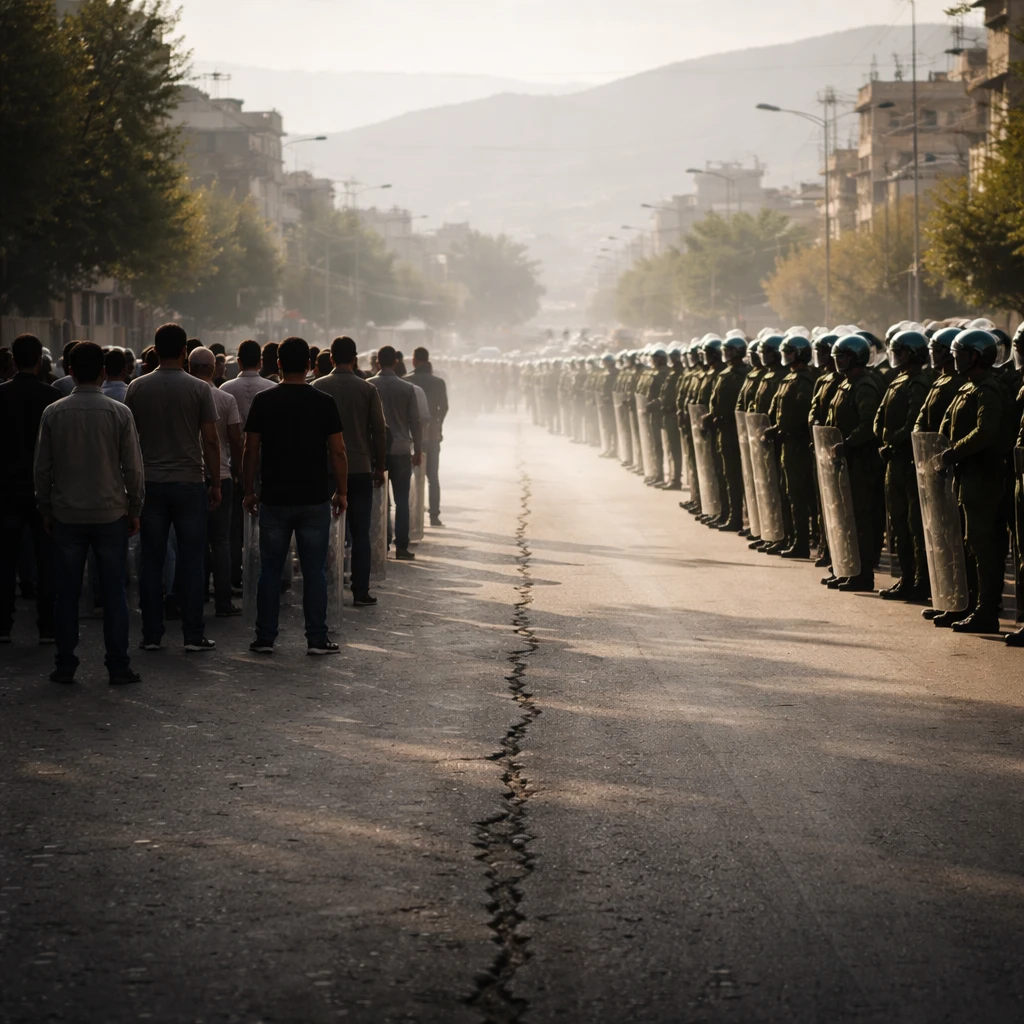

In Ilam province, two cities—Abdanan and Malekshahi—have become prominent focal points of civil unrest, with recent developments characterized by sharply contrasting reports from various sources. According to statements from activist networks and opposition organizations operating from exile, large numbers of demonstrators convened in the streets of these cities during the current week. These groups contended that protestors vocally opposed the government, set several buildings ablaze, and succeeded in forcing security personnel to withdraw, effectively taking control over Abdanan and Malekshahi.
The National Council of Resistance of Iran, an exiled opposition group, asserted that Abdanan was “effectively taken over by the people,” indicating a significant shift in authority within the area. Reports from this group related that protesters celebrated openly in the streets amid authorities' efforts to suppress unrest, including cutting off the electricity supply as a containment measure.
Supporting these claims, footage acquired by BBC Persian depicts crowds chanting slogans such as "Death to the dictator" and attempting to evade tear gas deployed by security forces. Additional visual evidence shows images of fires and property damage within Malekshahi, further underscoring the severity of disturbances documented by activists.
Contrasting sharply with these accounts, Iranian official media outlets have dismissed the notion that protracted control of these cities by protesters occurred. The semi-official Tasnim News Agency, citing security sources, reported that a security officer lost his life amid clashes involving “armed individuals.” Despite this fatality, Tasnim conveyed that the events were brought under control thereafter, describing the situation as "completely normalized."
Similarly, the Mehr news agency indicated that an initial gathering in Abdanan took place under police oversight. It further detailed that a smaller subset of attendees separated from the main group and engaged in acts of vandalism, as relayed by RIA Novosti, a major Russian state-owned news outlet. This framing suggests a degree of public order restoration following disturbances.
On a broader national scale, the Human Rights Activists News Agency has documented significant unrest consequences. In its reporting, it cited a fatality toll climbing to at least 36 individuals over a span of ten days of protests, a majority of whom were demonstrators. Moreover, more than 2,000 arrests have reportedly been made in connection with these events, underscoring the extensive scale of governmental crackdowns.
Amnesty International has reportedly condemned actions by security forces, particularly issuing serious allegations concerning the storming of a hospital in Ilam where injured protesters were receiving medical care. Amnesty characterized this incursion as a breach of international legal norms, highlighting concerns over human rights violations amid the ongoing turmoil. It is important to note that Iran’s government has yet to publish an official death toll, and independent verification of figures and events remains challenging due to restricted access and information flows.
The developments in Abdanan and Malekshahi illustrate a complex and highly charged environment within the region, defined by contradictory narratives and contested claims over the extent of public protest and state response. These events are situated within the broader context of nationwide unrest, where issues of demonstrator grievances, security measures, and human rights considerations continue to shape discourse and reporting. As such, the situation warrants close observation to monitor ongoing developments and assess the implications for public order and governance in Ilam province and beyond.