Donald Trump Criticizes Bad Bunny's Super Bowl Halftime Performance
February 9, 2026
Business News

Donald Trump Criticizes Bad Bunny's Super Bowl Halftime Performance

Former President condemns the Spanish-language show while conservative groups promote an alternative event

Summary

President Donald Trump publicly denounced the Super Bowl halftime show headlined by Puerto Rican artist Bad Bunny, describing the performance as "terrible" and a misrepresentation of American cultural values. The halftime event, held in Santa Clara, California, featured Spanish-language and reggaeton music, signaling a notable cultural shift within the traditionally American-centric football spectacle. Concurrently, conservative groups organized a separate halftime show emphasizing more traditional American themes.

Key Points

President Donald Trump criticized Bad Bunny's Super Bowl halftime show, describing it as "terrible" and not reflective of American excellence.
The halftime performance incorporated Spanish-language and reggaeton music, marking a cultural shift in the Super Bowl's entertainment style.
Turning Point USA organized an alternative "All-American Halftime Show" featuring Kid Rock and other artists aligned with conservative values.
Bad Bunny is a politically outspoken artist who opposed Trump's deportation policies and supported Kamala Harris in the 2024 election.

During the recent Super Bowl event in Santa Clara, California, President Donald Trump voiced strong criticism of the halftime show performance led by Puerto Rican singer Bad Bunny. Trump characterized the show as "absolutely terrible," indicating a stark disapproval of both the artist's selection and the nature of the performance itself.

The halftime show, distinguished by its embrace of Spanish-language songs and reggaeton rhythms, represents a notable departure from the conventional English-language, mainstream pop style historically associated with the Super Bowl. This artistic choice marks a significant cultural shift in the event’s presentation, reflecting the increasing influence of diverse musical genres in major American entertainment venues.

President Trump’s disapproval did not emerge solely after the performance. In the days leading up to the event, he publicly criticized the decision to feature Bad Bunny, labeling it "absolutely ridiculous." The artist, known legally as Benito Antonio Martinez Ocasio, has been outspoken on political topics, notably condemning Trump’s deportation policies. Additionally, Bad Bunny endorsed Kamala Harris in the 2024 presidential election, further emphasizing his political engagement and alignment.

Following the conclusion of the halftime show, Trump intensified his critique through a post on the social media platform Truth Social. His statement called the show "one of the worst, EVER," arguing that it "makes no sense," and portraying it as "an affront to the Greatness of America." According to Trump, the performance failed to uphold American standards related to success, creativity, or excellence.

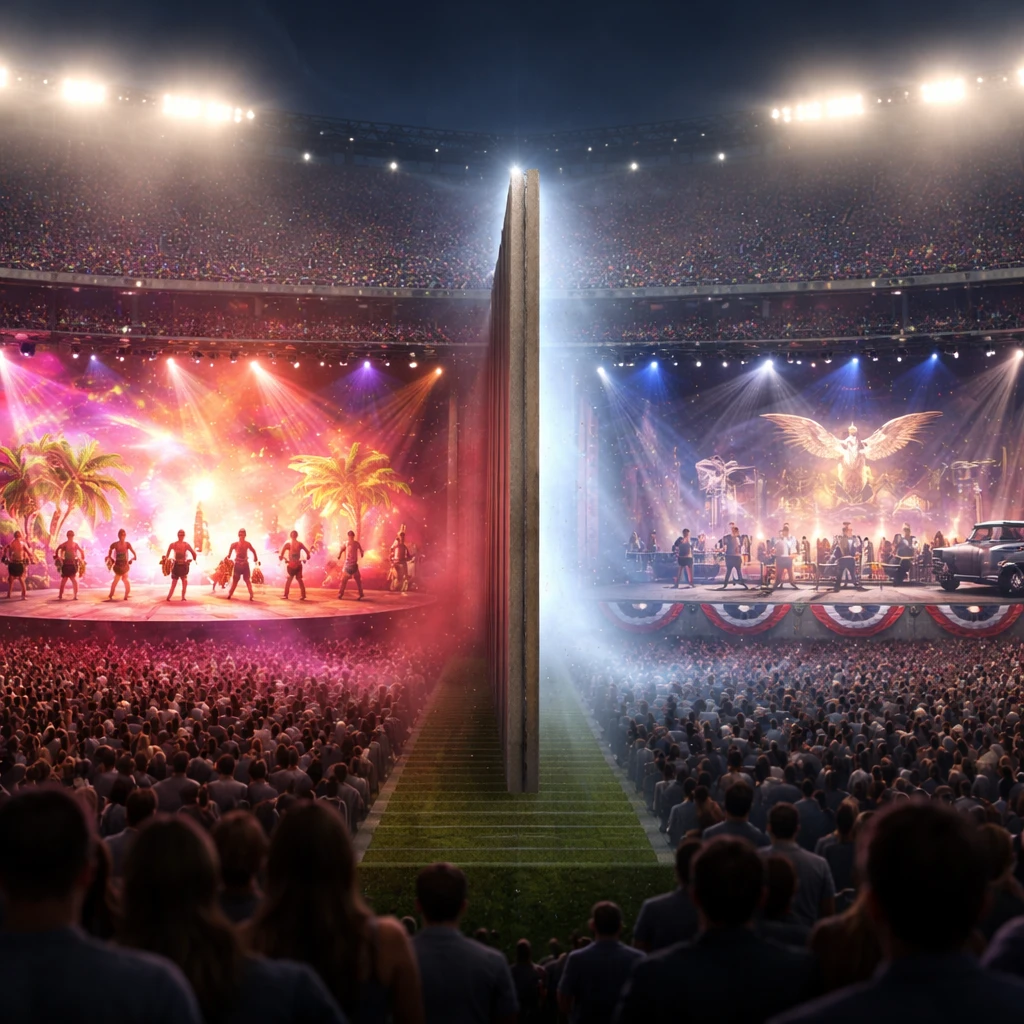
In response to the halftime show's approach and to cater to a different audience, a conservative organization named Turning Point USA took the initiative to orchestrate an alternative event branded as the "All-American Halftime Show." This concurrent concert featured performances by artists such as Kid Rock and others aligned with conservative values. Figures affiliated with Trump, including Secretary of Defense Pete Hegseth, supported and promoted this alternative event, illustrating the politicization of cultural programming during a prominent national occasion.

Bad Bunny’s participation and widespread recognition signals his growing role beyond music into broader cultural and political discourse. His album "Debí Tirar Más Fotos" achieved critical acclaim by winning Album of the Year at the Grammys, reinforcing his stature as a significant figure in contemporary entertainment.

The existence of both the mainstream halftime show and the alternative concert underscores the current cultural and political divides within the United States. Different factions seek representation in mass media and popular events such as the Super Bowl, illuminating contrasting perspectives on American identity and values.

Risks
  • The cultural divide highlighted by contrasting Super Bowl events may deepen societal polarization.
  • Political influences on major entertainment events could affect the inclusiveness and diversity of future programming.
  • Public criticism from prominent figures like Trump may impact artists’ reception and public opinion.
  • Alternative events may fragment the audience, reducing unified public engagement during national occasions.
Disclosure
Education only / not financial advice
Search Articles
Category
Business News

Business News

Ticker Sentiment
NFL - neutral
Related Articles
Why Florida Emerges as a Leading Retirement Destination in 2026

Florida ranks highest among states for retirees in 2026 according to a comprehensive evaluation base...

US Declines to Record Low in Global Public Sector Corruption Rankings

The United States has descended to its lowest ranking ever in Transparency International's Corruptio...

Maximizing Your 401(k): Understanding the Power of Employer Matching

Overestimating investment returns can jeopardize retirement savings. While it's prudent to plan cons...

Commerce Secretary Lutnick Clarifies Epstein Island Lunch Amid Scrutiny Over Relationship

Commerce Secretary Howard Lutnick acknowledged having a family lunch with convicted sex offender Jef...

Why Retirement Savings Remain Stagnant and How to Address Common Pitfalls

Many individuals find themselves concerned about the insufficient growth of their retirement account...

Paramount Enhances Hostile Proposition to Thwart Netflix-Warner Bros. Discovery Merger

Paramount Pictures has escalated its aggressive pursuit to acquire Warner Bros. Discovery by introdu...