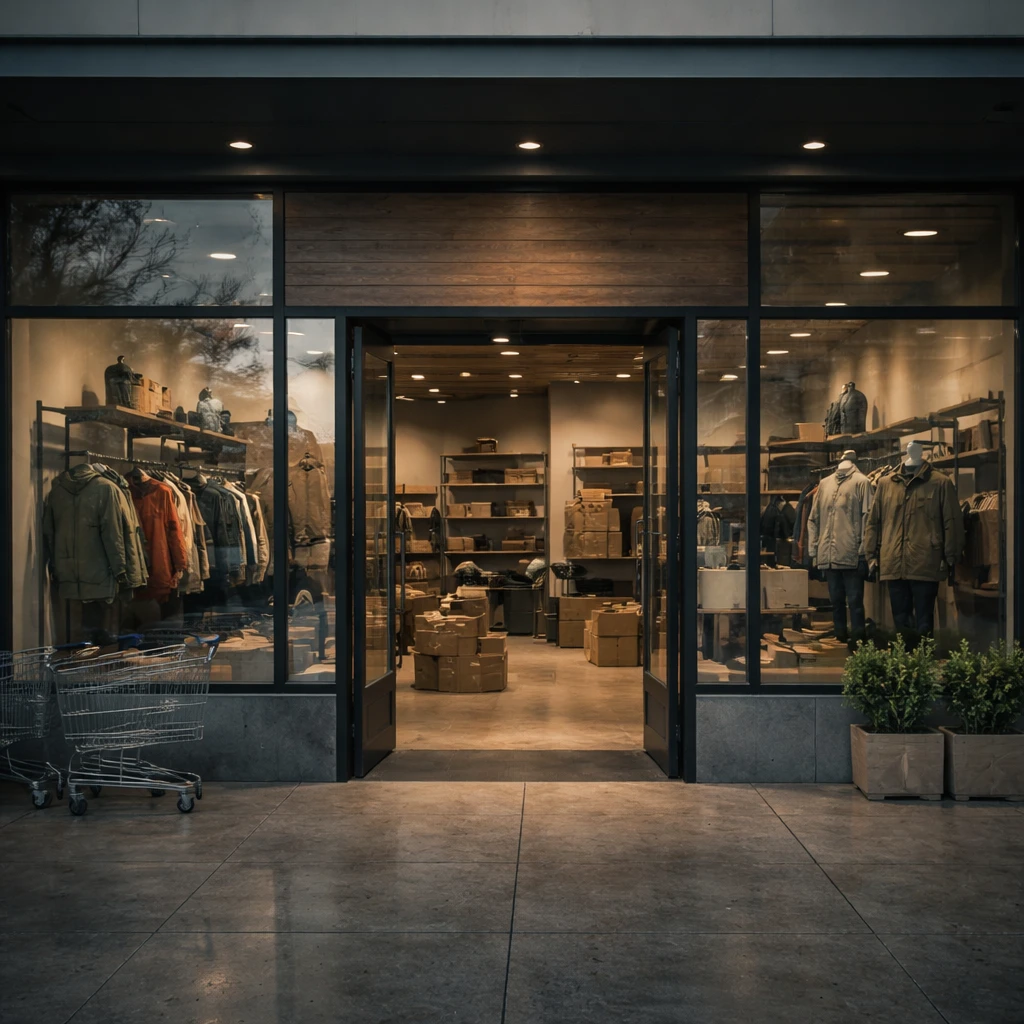

Eddie Bauer LLC officially filed for Chapter 11 bankruptcy protection on Monday, signaling a major restructuring effort to address financial and operational difficulties that have increasingly burdened the outdoor sportswear retailer. The company, which manages Eddie Bauer stores throughout the United States and Canada, intends to sell around 200 of its branded retail locations as part of this strategy.
According to the company, persistent declining sales combined with supply chain challenges have heavily impacted its stability. These difficulties have been intensified by external factors such as the Trump administration's unpredictable tariff policies and inflationary pressures. Such headwinds collectively limited the company’s ability to sustain growth and profitability.
Despite the filing, Eddie Bauer assured stakeholders that the majority of its retail outlets will remain open during the bankruptcy process as it seeks potential buyers. However, the company warned that failure to secure a purchaser could result in closures of some Eddie Bauer stores operated by the LLC across North America. The exact timing of any store closures remains uncertain, as a company spokesperson conveyed via email when questioned about specific timelines.
Marc Rosen, Chief Executive Officer of Catalyst Brands, the entity that owns the Eddie Bauer name, addressed the situation in a formal statement. Rosen acknowledged that although Catalyst’s management team made considerable progress to revitalize the brand—particularly through swift improvements in product development and marketing efforts—these initiatives were insufficiently rapid to overcome longstanding challenges. He emphasized that these structural and market obstacles had accumulated over several years, making it difficult to fully recover under the existing conditions.
This bankruptcy filing marks the third Chapter 11 proceeding for the company, which carries a heritage spanning over a century. Prior filings occurred in 2003 and again in 2009, the latter influenced by consequences from the 2008 financial crisis. This historical context underscores persistent volatility in Eddie Bauer’s operational environment and the broader retail sector.
Importantly, Eddie Bauer stores outside the U.S. and Canada will continue functioning normally since those locations are run by separate licensees and are not encompassed in this bankruptcy case. Additionally, the company disclosed that its e-commerce platform and wholesale business will be transferred to a different entity named Outdoor 5 LLC. This transition aims to ensure continuity of online sales and wholesale operations without interruption, preserving an essential revenue channel during the restructuring period.
Eddie Bauer is not unique among retailers facing financial distress this year. For example, Saks Global filed for bankruptcy earlier in January, grappling with decreased luxury market demand alongside burdensome debt from prior acquisitions like Neiman Marcus. These cases highlight ongoing pressures within various retail segments under challenging economic and competitive conditions.
Closing his statement, Rosen expressed gratitude towards the company’s employees and customers, recognizing their loyalty and support amid this challenging phase. He also reaffirmed the company’s commitment to mitigating impacts on employees, vendors, customers, and other stakeholders as the restructuring process advances.
In summary, Eddie Bauer LLC’s current bankruptcy filing reflects a critical juncture for the brand as it confronts a complex combination of market and operational adversities. While pursuing a sale of most of its retail footprint in North America, the company endeavors to sustain ongoing operations and customer access, alongside strategic efforts to stabilize its business moving forward.