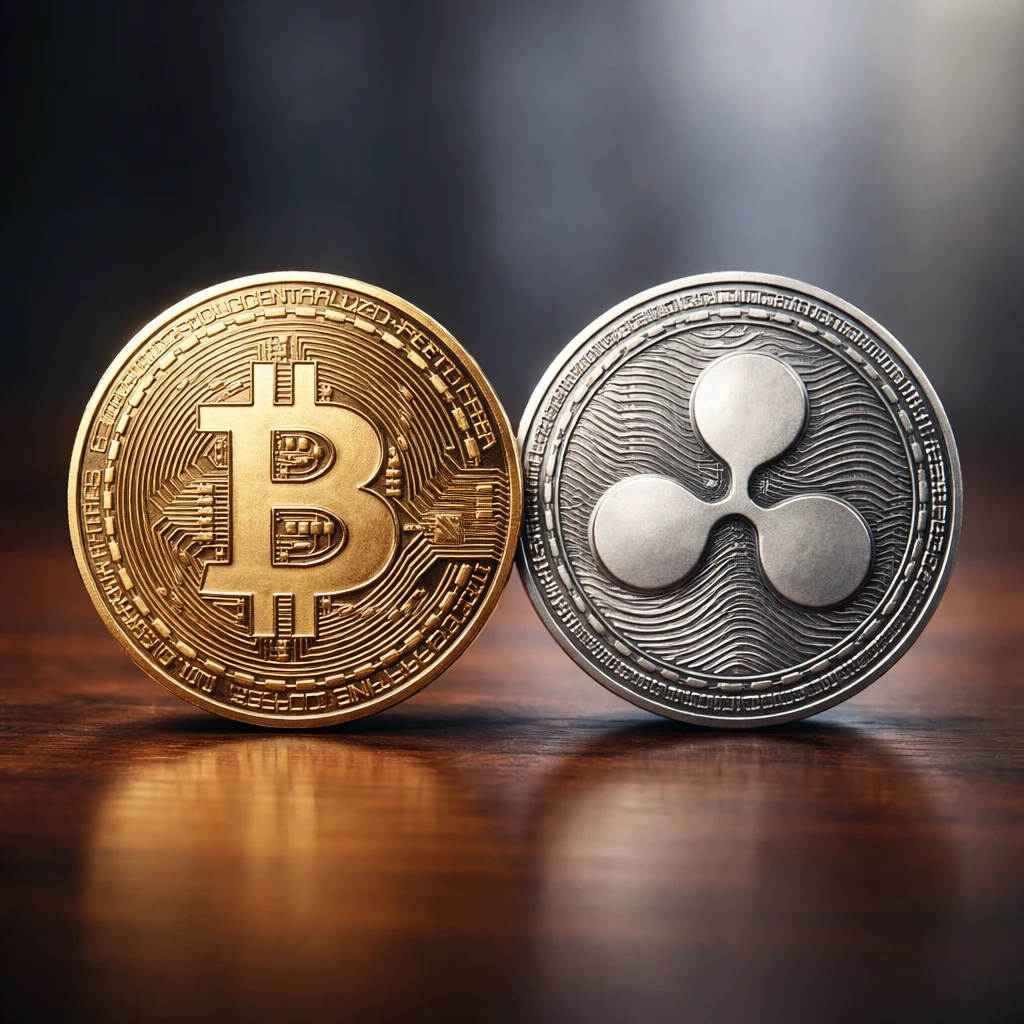

As the cryptocurrency market matures, investors remain eager to identify tokens that might replicate Bitcoin's extraordinary rise over the past decade. Bitcoin, once widely dismissed and conflated with high-risk speculation, has outperformed major stock averages by nearly 100 times when held since its early days. This stellar return has set a benchmark that many hope other cryptocurrencies might emulate.
Among those drawing increasing interest is XRP, a token distributed by Ripple, a firm specializing in financial services. Currently priced around $2, XRP has prompted questions regarding whether it could one day reach a valuation comparable to Bitcoin's historic peaks. To analyze XRP's prospects, it is useful to consider both external economic factors and developments specific to XRP's ecosystem.
From a macroeconomic standpoint, the broader fiscal environment may be conducive to supporting speculative assets like cryptocurrencies, including XRP. The Federal Reserve has begun easing interest rates, a move potentially set to continue as economic growth remains fragile. Economist Mark Zandi of Moody's Analytics has projected a modest 2% gross domestic product growth and a relatively weak employment market, signaling the likelihood of at least two rate cuts during the year.
A lower interest rate environment tends to reduce investors’ yields on traditional assets, which can encourage portfolio diversification toward higher risk and higher return opportunities. In such a landscape, cryptocurrencies, often viewed as speculative, may attract increased capital inflows. For smaller tokens like XRP, this could translate into greater price appreciation potential.
In addition to macroeconomic support, the rise of spot exchange-traded funds (ETFs) focused on XRP offers an alternative avenue for market participation. These ETFs track the price movement of XRP while allowing investors to avoid the complexities associated with purchasing cryptocurrencies directly, such as setting up exchange accounts and managing digital wallets. Prominent examples include the Grayscale XRP Trust ETF, Franklin XRP ETF, and Canary XRP ETF, which contribute to broader accessibility and liquidity.
Another important driver for XRP is its foundational role within Ripple's payment infrastructure. The system boasts faster transaction speeds and reduced costs relative to traditional networks such as the Society for Worldwide Interbank Financial Telecommunication (SWIFT). Companies utilizing Ripple's services can denominated transactions in XRP, effectively circumventing foreign exchange fees that are typical in cross-border payments. If Ripple expands its footprint in this sector, it could enhance XRP's adoption and usage.
Moreover, Ripple’s future-oriented strategies aim to broaden XRP's function beyond payments. The company has announced initiatives into decentralized finance (DeFi), including lending, stablecoins, compliance solutions, and tokenization of real-world assets like stocks and bonds. This expansion could diversify XRP's utility and anchor its value proposition more firmly within evolving financial technologies.
Despite these encouraging indicators, it is essential to recognize that XRP and Bitcoin are fundamentally different. Bitcoin’s appeal centers on its scarce supply—capped at 21 million coins—which fosters a narrative akin to precious metals or collectibles. It is perceived primarily as a store of value. Nearly 20 million bitcoins have been mined and are actively circulating, which supports the scarcity-driven investment thesis.
Conversely, XRP operates differently. It is closely tied to Ripple's business model and primarily supports operational use cases related to payments and financial infrastructure. XRP could therefore be considered more a corporate asset or a utility token rather than a scarce store of value. This distinction implies different investment rationales for each asset.
Thus, investors should approach XRP with a perspective distinct from that which informs Bitcoin investment decisions. While XRP may experience substantial price movements, these will likely depend on the execution of Ripple’s strategic initiatives and broader adoption in payments and DeFi applications rather than on scarcity dynamics.
Deciding whether to invest in XRP requires weighing risk tolerance and investment objectives. Investors who hope for Bitcoin-like explosive growth without recognizing XRP’s unique characteristics may face disappointment. Conversely, those seeking cryptocurrency exposure and comfortable with volatility might find XRP’s prospects appealing, especially if Ripple's vision unfolds successfully.
Nonetheless, investing in XRP carries inherent speculation. The ultimate acceptance and utilization of Ripple’s technology by banks and corporations remain uncertain. Thus, caution is advisable in allocating capital toward XRP, reflecting the nascent and evolving nature of its market position.