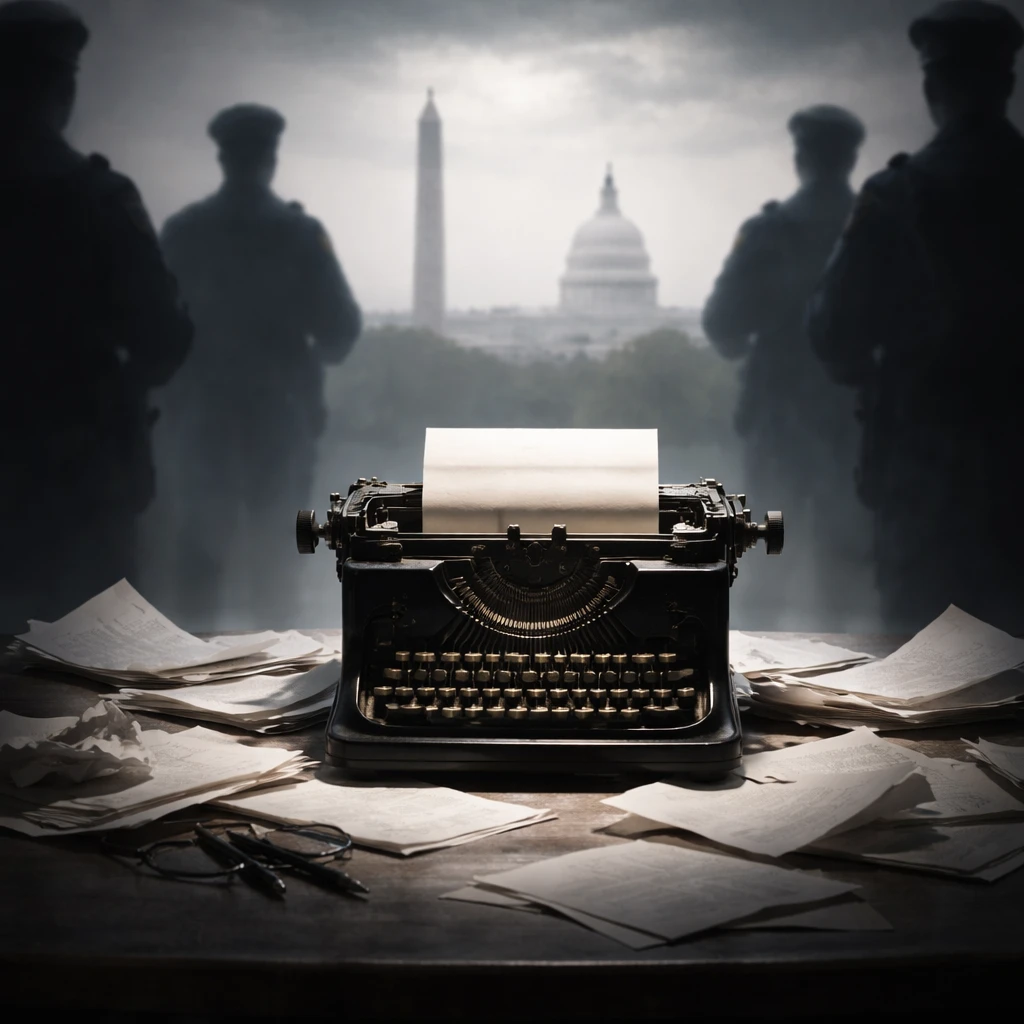

In a move signaling intensified federal scrutiny on journalists, the Department of Justice obtained a search warrant early Wednesday to conduct a raid on the Washington Post reporter Hannah Natanson's home. FBI agents executed the search and confiscated several of her electronic devices including her phone, two computers, and a Garmin watch. This operation represents a notable departure from prior practices regarding interactions between the Justice Department and members of the press.
Upon hearing of the search, Natanson promptly engaged with Post legal advisors and security specialists to navigate the unfolding situation. Concurrently, she sought external legal representation to manage potential ramifications. Despite these challenges, Natanson encouraged her colleagues at the Post to maintain their journalistic efforts unaffected by the search.
For decades, a de facto understanding has shielded reporters from direct searches linked to leak investigations, particularly related to national security matters. Gabe Rottman, affiliated with the Reporters Committee for Freedom of the Press, noted that the Justice Department never previously authorized execution of a search warrant at a reporter's residence on matters concerning classified information leaks. The recent event represents a critical breach of this precedent, prompting concern over future actions.
The policy shift can be traced back to changes instituted early in the Trump administration by then-Attorney General Pam Bondi. Her directives rescinded protections established during the preceding Biden tenure, which explicitly limited attempts to access reporters' communications and notes during leak probes. These revisions reflected the administration's increasing intolerance for unauthorized disclosures, signaling a readiness to adopt more aggressive investigative measures.
Following the search, Bondi indicated on Fox News that Natanson's devices potentially contain classified intelligence related to foreign adversaries — a claim central to the ongoing investigation. The legal landscape surrounding such inquiries is complex; while courts have affirmed journalists' rights to publish leaked documents, including those with classified content, the application of laws like the Espionage Act has traditionally been navigated through established policy norms rather than explicit legal mandates. National security attorney Mark Zaid emphasized that modern prosecutions of press activities under this statute have heavily relied on such norms, which have been eroded under the current administration's approach. He warned that Natanson's experience could signal more rigorous government interventions ahead.
The warrant specifically ties the search to an active case involving a Maryland contractor charged for illegally retaining classified materials. Prosecutors allege that this individual accessed a top-secret intelligence report concerning an unnamed foreign nation. Natanson was among the six Washington Post journalists bylined on a recent report regarding Venezuela, which cited classified government documents. In addition to covering this scoop, Natanson has been reporting on significant federal government reorganizations during the Trump era, frequently utilizing information from confidential sources who relied on secure communication platforms like Signal.
Within the Post newsroom, the incident has driven urgent discussions about strengthening source protection mechanisms. Post executive editor Matt Murray reaffirmed the newspaper's commitment to staunchly defending its journalists and their work. However, the Post has not publicly disclosed whether it intends to pursue legal actions aimed at curbing governmental access to its reporters' materials in response to the search.
Historically, investigations into potential leaks saw authorities issue subpoenas to journalists rather than resorting to home searches. These subpoenas often resulted in protracted legal battles defending press freedoms. Under the Obama administration, efforts to prosecute leaks frequently involved seizing reporters' phone records and scrutinizing journalists as potential co-conspirators, as happened with the Associated Press and Fox News correspondent James Rosen. Public backlash resulted in then-Attorney General Eric Holder tightening internal Justice Department guidelines to better protect reporters’ rights.
During the first Trump term, several major news organizations found their internal communications targeted by prosecutors, including CNN. Opposition to those secret probes later prompted Attorney General Merrick Garland to establish new safeguards in 2021 designed to shield journalists from invasive investigative measures. Xochitl Hinojosa, who managed public affairs at the Justice Department during that period, indicated that stringent internal approval processes existed for any investigative actions involving reporters, with explicit prohibitions against subpoenaing journalists for their sources. She characterized the recent search of Natanson's home as a deliberate attempt to intimidate the press.
On the day of the raid, Washington Post staff gathered around Natanson's desk to express support and determine how to assist their colleague. Aware that she could not continue working without her devices, Natanson urged her peers to persist in their reporting activities, stressing their collective mission. The Post's editorial board strongly condemned governmental intimidation efforts in a statement, noting that while leaks invariably generate frustration among presidents, such attempts to stifle journalism ultimately fail. The board assured readers that the publication's vital journalistic efforts would proceed undeterred despite these unprecedented challenges.