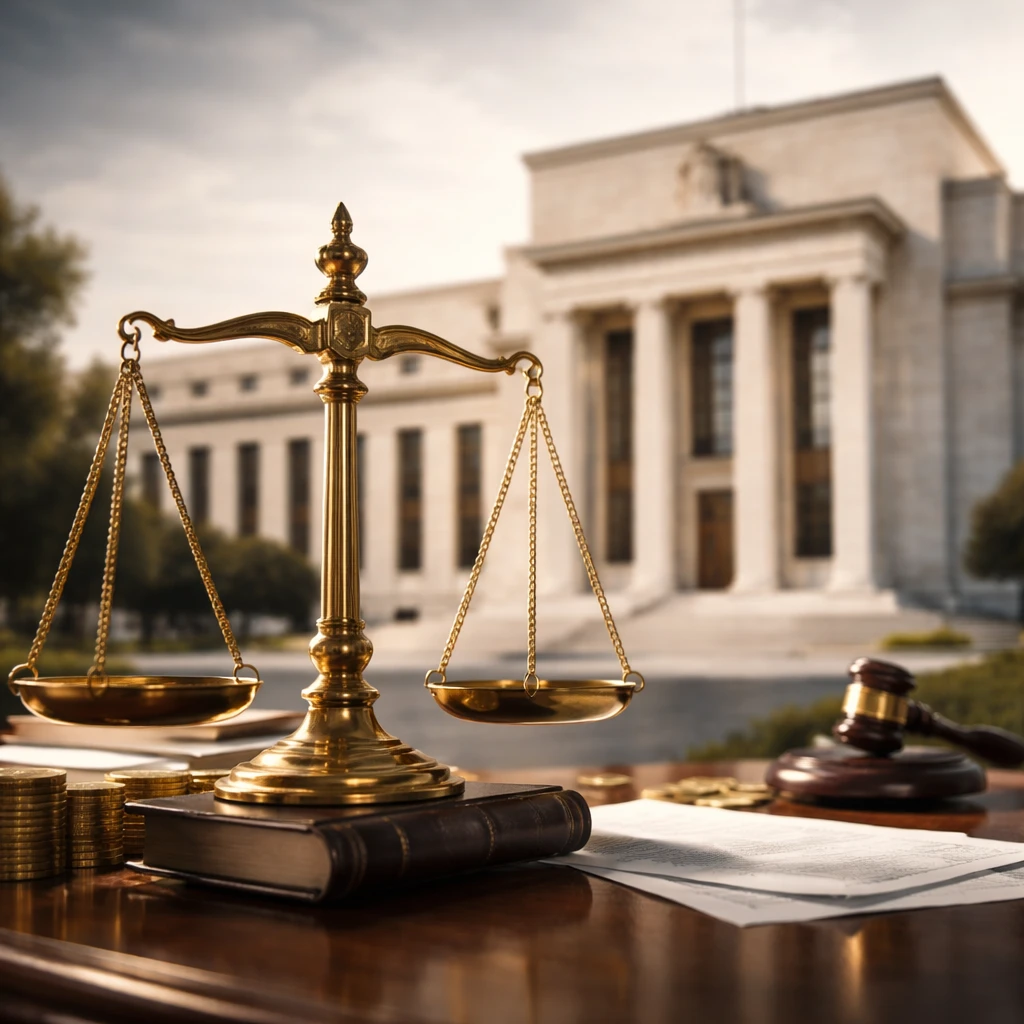

In Washington, federal prosecutors have launched a criminal inquiry into the Federal Reserve's extensive renovation project of its headquarters in the nation’s capital, which carries a price tag of $2.5 billion. The investigation marks an exceptional development in the relationship between the Federal Reserve and the executive branch.
Jerome Powell, the Fed Chair, addressed the matter directly in a rare video statement posted on Sunday evening. He characterized the investigation as a "pretext" aimed at undermining the Federal Reserve's independence amid his ongoing disagreements with the administration over the setting of interest rates. Powell indicated that the scrutiny stems from broader "threats and ongoing pressure" exerted by the current administration.
This escalating situation poses a potential chilling effect not just on Powell but on future leaders of the Federal Reserve. The ongoing conflict emanates from President Donald Trump’s persistent criticisms of the Fed Chair, which have aggressively challenged the institution's traditionally apolitical stance. Trump has publicly advocated for greater presidential influence over monetary policy decisions, including interest rates, suggesting that his successors could face similar or increased levels of political interference.
Despite the contentious environment, investors and economists continue to place significant value on the Federal Reserve’s autonomy. They regard this independence as fundamental to ensuring that policymaking is guided by long-term economic considerations rather than immediate political interests.
In his statement, Powell emphasized, "The threat of criminal charges is a consequence of the Federal Reserve setting interest rates based on our best assessment of what will serve the public, rather than following the preferences of the President." He underlined the critical issue at stake: "This is about whether the Fed will be able to continue to set interest rates based on evidence and economic conditions—or whether instead monetary policy will be directed by political pressure or intimidation."
The Department of Justice has declined to provide detailed comments on the investigation. DOJ spokesperson Chad Gilmartin responded to inquiries by affirming the attorney general’s stated priority to "investigate any abuse of taxpayer dollars." The White House has not issued a formal response at the time of reporting.
President Trump’s criticisms of Powell have been relentless over the past year, primarily centered around the pace and extent of interest rate adjustments. While the Federal Reserve implemented three consecutive rate cuts in the latter half of last year, officials have recently signaled that further reductions are unlikely in the short term.
The administration’s pressure campaign has included direct personal attacks on Powell as well as efforts to remove Fed Governor Lisa Cook, a Biden appointee. A related legal matter concerning Cook’s potential dismissal is scheduled for oral arguments at the Supreme Court later this month.
The controversy that triggered the current investigation began during Powell's congressional testimony in the summer, where he described the renovation effort as a collaborative initiative involving multiple federal agencies. He acknowledged that the project's costs had evolved over time. Critics allied with the Trump administration, including Federal Housing Finance Agency Director Bill Pulte and Office of Management and Budget Director Russ Vought, have accused the Fed of mismanaging the renovation funds.
However, the Federal Reserve maintains that the extensive upgrades were both necessary and urgent, involving removal of asbestos and critical improvements to electrical and ventilation infrastructures within its aging buildings.
The criminal probe unfolds as President Trump prepares to announce his selection for Jerome Powell’s successor, whose term concludes in May. This anticipated appointment is viewed as pivotal given the substantial influence wielded by the Federal Reserve Chair in shaping both domestic and global economic conditions.
As this investigation develops, stakeholders and observers are closely watching its implications for the Fed's operational independence and the broader relationship between the Treasury and monetary authorities.
Note: This is a developing topic and updates will be provided as more information becomes available.