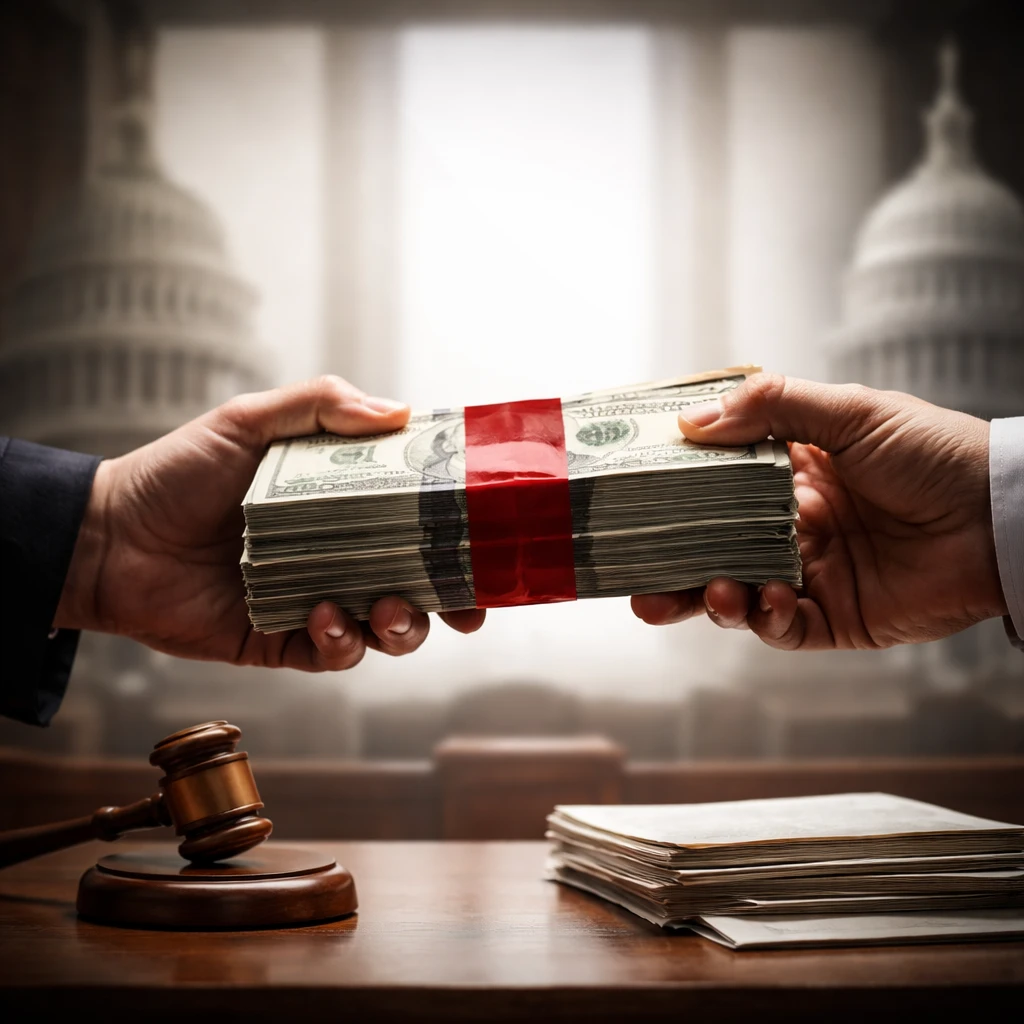

In a significant legal dispute, five Democratic-led states have contested the federal government's suspension of approximately $10 billion dedicated to federal childcare and family assistance programs. These states - California, Colorado, Illinois, Minnesota, and New York - have formally filed suit against the U.S. Department of Health and Human Services (HHS), challenging the decision to withhold these funds. The freeze was announced by HHS earlier in the week, citing a requirement for further examination before releasing payments.
The affected programs include three of the largest federal assistance initiatives aimed at supporting low-income families: the Child Care Development Fund (CCDF), the Temporary Assistance for Needy Families (TANF) program, and the Social Services Block Grant program. The total frozen amount exceeds $10 billion, directly impacting the budgetary resources available to states for childcare and family support services.
According to the federal agency, the suspension was prompted by concerns regarding the potential allocation of funds to individuals who may not meet citizenship criteria. More specifically, it refers to a 2019 report from the HHS Office of Inspector General highlighting that New York City had allegedly submitted $24.7 million in improper claims for childcare subsidies to the federal government.
However, the plaintiffs in the lawsuit argue that the HHS's rationale is insufficient and unjustified. They assert that the department failed to provide concrete evidence underpinning the fraud concerns that warranted such a sweeping measure. Furthermore, the states contend that this action represents an overreach of executive authority, conflicting with congressional intent and the established limits on federal spending as delineated by the U.S. Constitution.
The governors of the involved states have voiced strong opposition to the freeze. Illinois Governor JB Pritzker criticized the administration’s move as punitive, accusing the federal government, led by President Donald Trump, of attempting to "punish" populations that do not align politically. In a similar vein, New York Governor Kathy Hochul described the decision as both "vindictive" and "cruel," emphasizing the adverse effects on vulnerable families relying on these funds for essential support.
This intergovernmental conflict highlights the complexities inherent in the administration and oversight of substantial federal welfare funding streams. It raises important questions about accountability, due process, and the balance of power between state and federal authorities, especially amidst allegations of misuse tied to significant monetary amounts.
The ongoing legal proceedings will seek to address whether the federal government’s freeze on these critical funds is justifiable based on the evidence presented and if it aligns with the statutory and constitutional frameworks governing federal assistance programs.
As the case unfolds, affected states will likely experience challenges in delivering uninterrupted services under these programs, potentially impacting families who depend on childcare and assistance for economic stability. The resolution of this dispute will have important implications for federal-state relations and the administration of social welfare initiatives.