
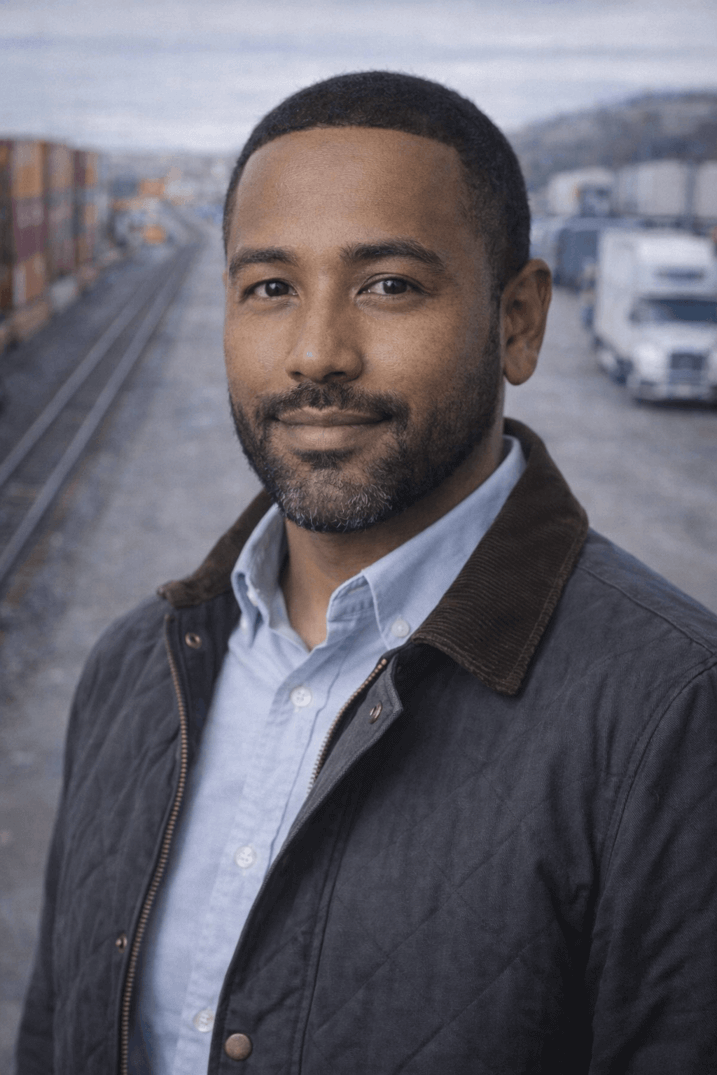
Florida Gubernatorial Candidate Sparks Controversy Over Proposed OnlyFans Tax
January 14, 2026
Business News

Florida Gubernatorial Candidate Sparks Controversy Over Proposed OnlyFans Tax

OnlyFans content creator Sophie Rain publicly responds to proposed 50% tax plan

Summary

Florida Republican gubernatorial candidate James Fishback recently proposed implementing a 50% tax on content creators utilizing platforms like OnlyFans. This proposal has elicited a direct response from prominent OnlyFans creator Sophie Rain, who publicly challenged the idea. The debate underscores tensions surrounding taxation policies affecting digital content creators in Florida's political discourse.

Key Points

Florida Republican gubernatorial candidate James Fishback proposed a 50% tax on OnlyFans creators if elected governor.
Popular OnlyFans creator Sophie Rain publicly opposed the proposed tax, voicing concerns about its impact on content creators' livelihoods.
The tax proposal highlights ongoing discussions about regulating and taxing emerging online income sources within state economies.
Details about the implementation and allocation of the proposed tax revenue have not been fully clarified by the candidate's campaign.

In a move that has captured public attention, Republican candidate for Florida governor, James Fishback, publicly advocated for introducing a 50% tax on creators who earn income through platforms such as OnlyFans. The proposal, delivered during his campaign, seeks to significantly increase taxation on this emerging sector of the digital economy.

OnlyFans, known for hosting subscription-based content creators often offering adult content, has become a substantial income source for many individuals. The prospect of a 50% tax has been met with opposition by those directly impacted, particularly creators who rely on the platform as a primary revenue stream.

One of the most prominent figures in this space, Sophie Rain, who is widely recognized for her activities on OnlyFans, issued a pointed rebuttal to Fishback's tax proposal. She addressed the candidate's announced plan through social media platforms, articulating her disagreement and highlighting the implications such a tax could have on creative professionals working independently.

While Fishback's campaign frames the tax as a measure to increase state revenue and introduce financial oversight on digital content creation, specific details about how the tax would be assessed or its intended beneficiaries have not been thoroughly disclosed. The dialogue between political candidates and content creators illustrates the complexities of taxing emerging digital business models within state economies.

The public response from creators such as Sophie Rain demonstrates the potential resistance and concern from individuals whose livelihoods depend on platforms like OnlyFans. The extent to which this proposal will influence Florida's economic policies or electoral outcomes remains to be seen.

This exchange occurred in the context of a broader national conversation about taxation of internet-based income streams and the regulation of adult content online. Florida, being a significant hub for digital entrepreneurship, is becoming a focal point for debates on fiscal policy related to novel revenue sources.

The controversy also sheds light on the challenges that policymakers face when addressing the rapid growth and diversification of online work, especially industries that operate in contentious sectors such as adult entertainment and direct-to-consumer digital content.

As this topic continues to develop in Florida, questions about the balance between generating state revenue, protecting workers' autonomy, and regulating online enterprises will remain central. The unfolding discourse will potentially affect not only creators and politicians but the wider economic landscape involving digital platforms and their users.

Risks
  • Potential negative economic impact on OnlyFans creators and similar digital content professionals due to increased taxation.
  • Public backlash and resistance from digital content creator communities may influence political and social dynamics.
  • Uncertainty about how the proposed tax would be structured and enforced could lead to legal or practical complications.
  • The proposal may contribute to polarized debates around the regulation of adult content and digital entrepreneurship in Florida.
Disclosure
Education only / not financial advice
Search Articles
Category
Business News

Business News

Related Articles
Why Florida Emerges as a Leading Retirement Destination in 2026

Florida ranks highest among states for retirees in 2026 according to a comprehensive evaluation base...

Maximizing Your 401(k): Understanding the Power of Employer Matching

Overestimating investment returns can jeopardize retirement savings. While it's prudent to plan cons...

Commerce Secretary Lutnick Clarifies Epstein Island Lunch Amid Scrutiny Over Relationship

Commerce Secretary Howard Lutnick acknowledged having a family lunch with convicted sex offender Jef...

Why Retirement Savings Remain Stagnant and How to Address Common Pitfalls

Many individuals find themselves concerned about the insufficient growth of their retirement account...

Paramount Enhances Hostile Proposition to Thwart Netflix-Warner Bros. Discovery Merger

Paramount Pictures has escalated its aggressive pursuit to acquire Warner Bros. Discovery by introdu...

Strategic Stress Testing of a Retirement Tax Plan with $1.8 Million in Savings at Age 58

A 58-year-old nearing retirement with $1.8 million across various accounts assessed the robustness o...