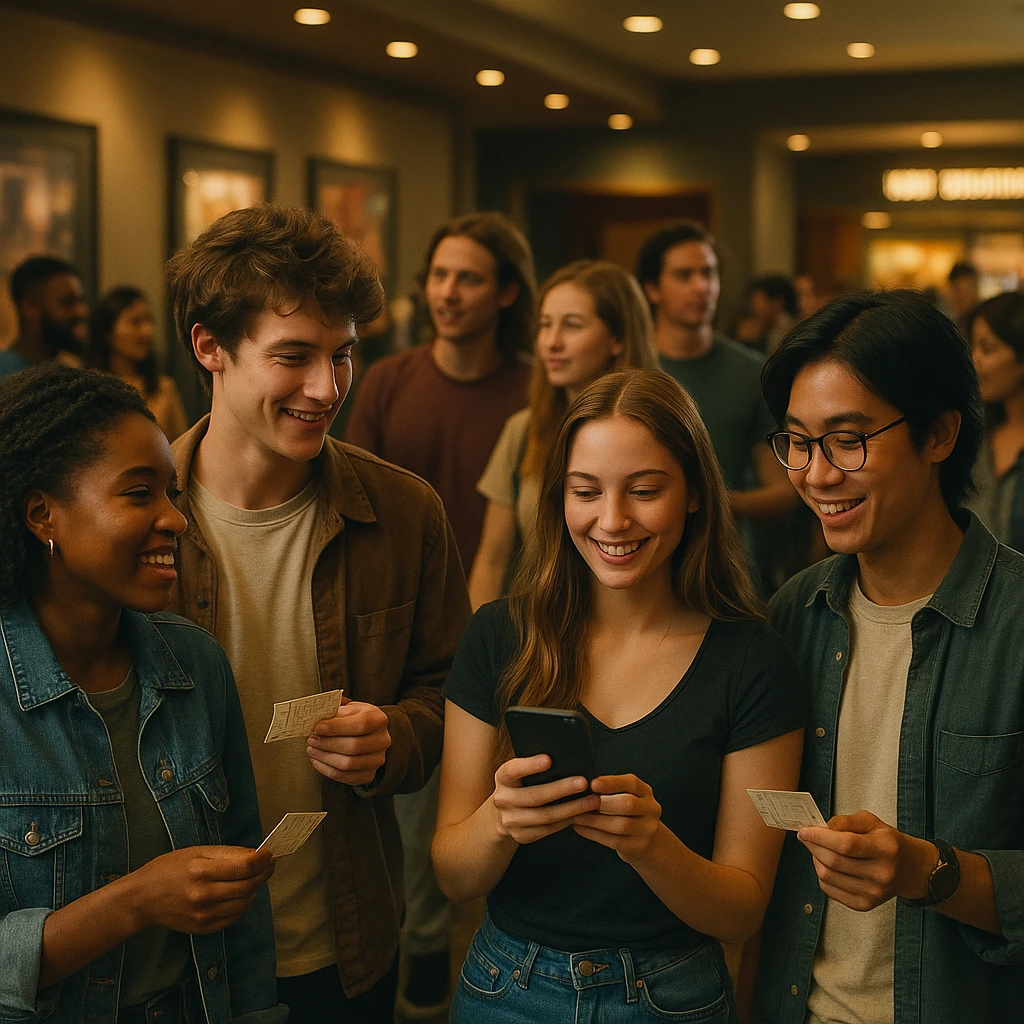

Movie theaters, once considered endangered by the rise of streaming platforms, are experiencing a resurgence in attendance, particularly among Generation Z. This trend is exemplified by the increasing popularity of movie subscription models such as AMC’s A-List, which offer regular attendees significant value and convenience.
As an avid moviegoer, I have personally booked tickets to over three dozen films in theaters this year, a majority arranged through the AMC A-List subscription service. While this figure may be modest compared to some of my peers within the subscription community, it nonetheless situates me within a broader cultural shift towards cinema attendance.
Among the films that stood out to me this year were titles such as "Sinners," "One Battle After Another," and "Kiss of the Spider Woman." Conversely, "Jurassic World Rebirth" was less impressive though still delivered an enjoyable viewing experience enhanced by the Dolby surround sound system on the big screen.
Insights gathered from fellow AMC A-List members highlight motivations behind this renewed interest. Some individuals mentioned that movies fulfill a social or activity void; for instance, one member who ceased alcohol consumption now substitutes evenings out with trips to the cinema. Another participant appreciated the opportunity to engage in a shared, phone-free environment with their spouse.
A notable feature of the AMC A-List is the social flexibility it enables. Subscribers can add friends to a designated "entourage," allowing for ticket booking on each other's behalf without complicated coordination or extra fees. This capability simplifies group participation and enhances the communal aspect of movie outings.
Data from Cinema United, a trade organization, indicates a meaningful uptick in moviegoing frequency among Gen Z audiences. A report released in December 2025 shows a 25% year-over-year increase, with the average Gen Z individual watching approximately 6.1 movies in theaters during 2025, compared to 4.9 in 2024. Furthermore, 41% of this demographic attends cinemas at least six times annually, an increase from 31% in 2022.
The appeal of subscription models extends beyond cost savings. AMC’s A-List subscription typically costs between $20 and $30 per month and grants access to up to four movies weekly—a cap few subscribers reach. Cinema United also notes a 15% increase in loyalty membership in North America between 2024 and 2025, illustrating growing consumer commitment to theatrical subscriptions.
Subscriptions guarantee not only access to films but also an assured experience. For Gen Z consumers, known for periodically canceling streaming services over price concerns and content availability, the tangible aspect of attending a theater offers stability and immediacy.
Industry analyses corroborate the momentum behind theatrical engagement. According to IBISWorld, investments in upgraded concessions and facility enhancements, along with a strategic focus on subscriptions and partnerships, are expected to drive movie theater revenues from $16 billion in 2025 to a projected $17.3 billion by 2030.
While movie subscriptions may not be considered the most economical form of entertainment, their relative affordability has improved amid rising costs in other leisure activities. Echoing what I've identified as the "Theme Park Food Paradox," where previously costly items become comparatively reasonable as inflation impacts broader markets, cinema attendance benefits from this dynamic.
Specifically, in metropolitan areas like New York City, a single ticket without a subscription can approach $30, coincidentally near the monthly subscription price. Dining out and beverage consumption incur even higher costs, reinforcing the economic logic behind regular movie attendance via subscription.
Looking ahead, the film release pipeline remains robust, with forthcoming blockbusters including Christopher Nolan's "The Odyssey," set to dominate IMAX screens. In alignment with this, I recently augmented my AMC A-List membership with a yearlong Popcorn Pass, which reduces popcorn prices by half with each visit, enhancing the overall theater experience.
In conclusion, the theatrical exhibition sector is witnessing a renaissance propelled by Gen Z’s evolving preferences for community-centered, offline entertainment and the economic structures facilitated by movie subscription services. This casts a favorable light on the future prospects for cinemas as they adapt to changing consumer behaviors and market conditions.