
WASHINGTON — In a significant bipartisan move, the House of Representatives voted 221-205 on Wednesday to advance legislation that would restore an enhanced subsidy program for health insurance premiums, affecting around 22 million people. This program, initiated during the pandemic to make health coverage more affordable, had expired last month, leading to significant increases in insurance costs for many.
The vote marked a crucial hurdle before the full passage of the bill, anticipated as soon as Thursday. This development emerged after a group of four centrist Republican lawmakers joined forces with Democrats, signing a discharge petition to compel a House vote on the extension. Following last year’s government shutdown, which failed to resolve the subsidy expiration, these lawmakers emphasized that inaction was no longer viable given the escalating financial strain their constituents face with the current premium hikes beginning this month.
Rep. Mike Lawler of New York, a Republican who crossed party lines to support the Democratic-led proposal, described the bill as a foundation to foster a Senate compromise. He noted, "When the House shows strong, bipartisan backing, it improves the chances for senators to reach an agreement." In total, nine Republicans allied with Democrats to move the legislation forward.
The decision to circumvent party leadership by forcing a vote was a direct challenge to Speaker Mike Johnson and the GOP leadership, who have opposed the bill. This maneuver effectively diluted their control over the House majority, as these 'renegade' Republicans aligned with Democratic members to push the issue.
Should the bill pass the House this week, it would indicate bipartisan support for a proposed three-year extension of the tax credits available to individuals purchasing plans through the Affordable Care Act, commonly referred to as Obamacare. However, the Senate faces no obligation to consider this specific measure. Instead, a bipartisan Senate group is collaborating on an alternative proposal that might garner approval in both chambers and ultimately become law.
One alternative under discussion includes shortening the subsidy extension to two years while making modifications to the program’s structure. Senate Majority Leader John Thune of South Dakota outlined that any Senate-approved proposal would include income restrictions to prioritize assistance for those most in need, require beneficiaries to pay a nominal fee to prevent misuse by insurance companies through auto-enrolling individuals, and expand allowances for health savings accounts. These accounts provide individuals with tax-free funds dedicated to qualified medical expenses.
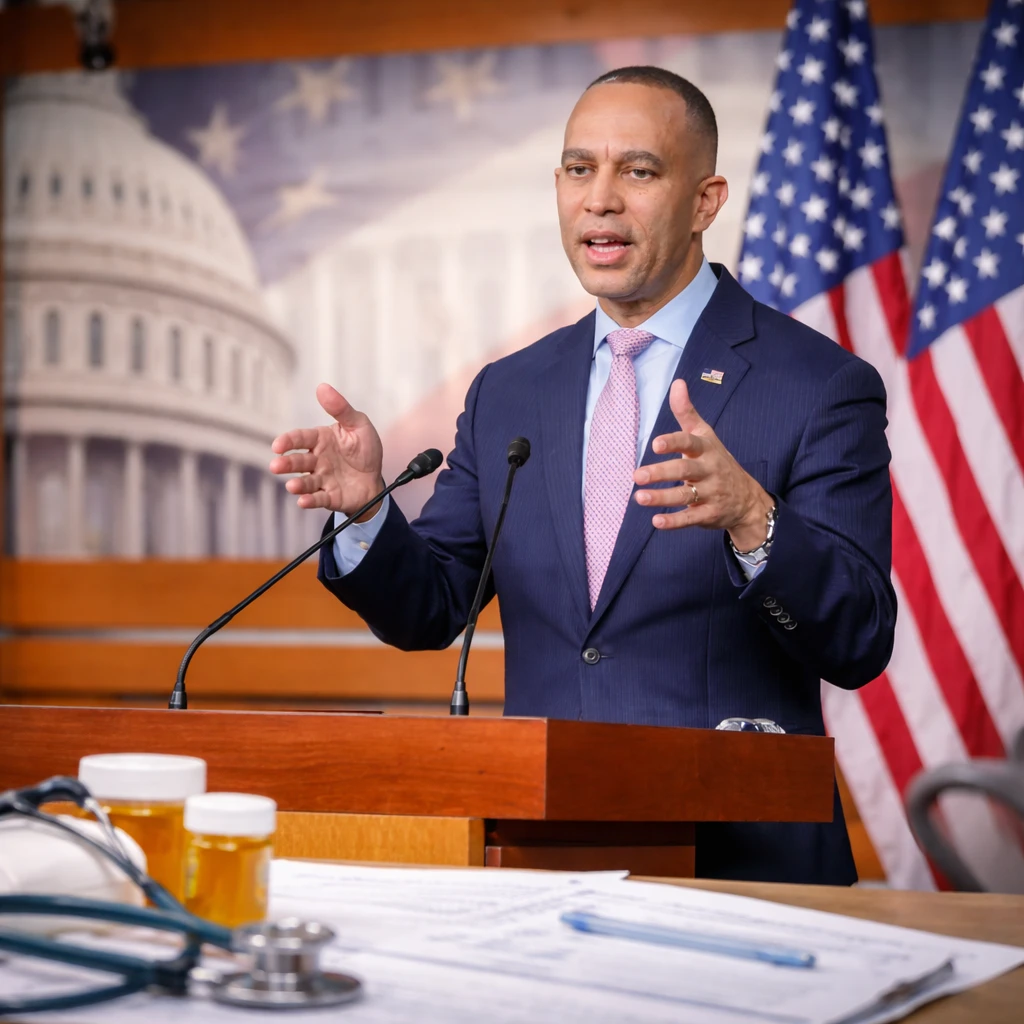
Democratic leaders have underscored the importance of addressing the rising cost of health insurance, framing it as a central issue for gaining majority control in the House and Senate in the upcoming fall elections. House Democratic Leader Hakeem Jeffries, who spearheaded his party’s push for the health care legislation, urged all members, especially Republicans in competitive districts, to join in preventing significant premium spikes for their constituents. He remarked before the vote, "We must confront the health care crisis to ensure millions have access to medical care when necessary."
Among Republicans, Representatives Brian Fitzpatrick, Robert Bresnahan, Ryan Mackenzie of Pennsylvania, and Mike Lawler supported the petition, collectively reaching the required 218 signatures to force a House vote. All represent pivotal swing districts whose election results will influence control of the House next year.
Speaker Johnson had contemplated permitting vulnerable GOP members to vote on temporary subsidy extensions paired with reforms like income caps but ultimately deferred to the conservative faction of the party, which views the subsidies skeptically, criticizing them as props for a flawed system.
Discharge petitions, though seldom successful, have become a prominent tool this session, enabling lawmakers to publicly demonstrate support and compel votes on key issues. For example, a petition led to a vote mandating the Department of Justice to release files related to Jeffrey Epstein, backed unanimously by House Democrats and a few Republicans.