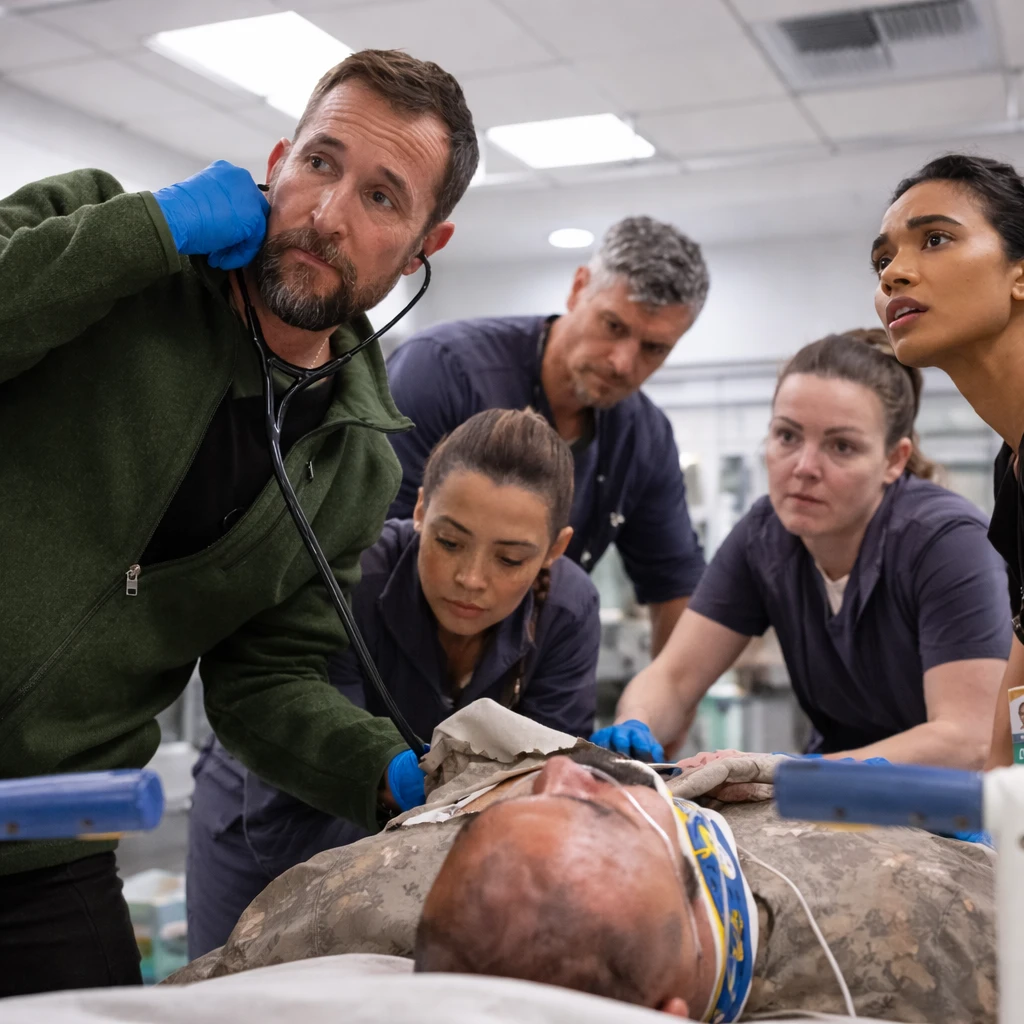

In the latest installment of 'The Pitt', viewers are reintroduced to Dr. Michael Robinavitch, affectionately known as Dr. Robby, played by Noah Wyle. The season opens with a striking image: Robby, exuding calm confidence, rides his motorcycle to work wearing sunglasses, his hair flowing in the early morning air of Pittsburgh. However, a subtle but meaningful detail catches the eye - Robby is not wearing a helmet. This intentional choice during filming reflects deeper themes about his character’s trustworthiness and internal struggles.
Wyle confirmed the significance of this visual cue during his recent Zoom interview. The absence of the helmet is deliberate, signaling that while Robby claims to wear it, he is in fact lying. This deceit opens questions about other aspects in his life that may be less than truthful, setting the tone for an introspective season centered on uncertainty and character depth.
Unlike many shows that escalate drama through sensational plot devices, 'The Pitt' prioritizes an authentic portrayal of its characters’ realities. Wyle explained that the creators aim to avoid artificial stunts for shock value. Instead, the drama is organically generated through truthful storytelling, embedding characters in realistic settings and situations that reveal their complexities over time.
This portrayal extends to sudden creative decisions, such as the no-helmet scene, which was a late addition the night before shooting. Wyle suggested to executive producer John Wells that having Robby eschew the helmet would immediately contrast the knowledge of the audience with that of other characters, adding a layer of dramatic tension about trust and perception. Wells agreed, and the detail was included to deepen the narrative experience.
The timing of the season's launch coincides with July 4, chosen purposefully to reflect the ambiance of holiday gatherings and the accompanying possibility of emergencies ranging from minor to life-threatening. It also marks a 10-month gap since the events concluding the prior season, offering a natural progression for the storyline.
Several returning characters resume their arcs, including Dr. Frank Langdon, portrayed by Patrick Ball. Previously depicted as a senior resident struggling with prescription drug addiction, Frank has spent the intervening months in rehabilitation. His return to the hospital is met with mixed feelings, especially from Robby. Ball shared that he awaited news of his character’s continuation with some nervousness but was relieved to learn he would be back, emphasizing the tension around job security actors face in recurring roles.
Charge nurse Dana, played by Katherine LaNasa, also returns after a dramatic first season where her character faced trauma and contemplated departure. LaNasa reflects on Dana as a maternal figure akin to a basketball coach, facilitating and supporting the team’s best efforts amid the high-pressure environment. Her personal experience as a mother of children with a wide age gap informs her portrayal, enriching Dana's nurturing and authoritative qualities.
A significant new addition to the cast is Dr. Baran Al-Hashimi, enacted by Sepideh Moafi, who steps in as chief attending doctor during Robby’s sabbatical. Al-Hashimi champions artificial intelligence and advanced medical technologies, a contrast to Robby’s skepticism, which fosters a competitive leadership dynamic. Moafi remarks on the challenges and growth involved in navigating this professional balance.
Medical procedures portrayed this season have increased in complexity, highlighting the rigor of emergency medicine. Taylor Dearden’s character, Melissa “Mel” King, now a third-year resident, encounters particularly intense scenarios, such as performing a "clamshell" incision exposing chest organs. Mel also wrestles with a malpractice lawsuit, which severely undermines her confidence despite previous gains, illustrating the high-stakes and emotionally taxing nature of clinical practice.
The series continues to root its storytelling in contemporary healthcare realities, integrating narratives around insurance coverage concerns and the financial burdens patients face when seeking emergency care. Wyle emphasizes that the creators actively consult experts and healthcare professionals to accurately depict these challenges over forecasted timelines of 6 to 18 months, striving to inform viewers amid a complex health insurance landscape.
Another primary theme this season is the paradoxical difficulty that doctors experience in managing their own health. Robby exemplifies this, vocally encouraging his staff to utilize mental health resources while personally avoiding similar support. Instead, he turns to a personal, self-devised coping mechanism involving motorcycle restoration and solo exploratory journeys, highlighting his reluctance to seek formal psychiatric help.
Wyle candidly relates his own experiences, admitting his aversion to doctor visits mirrors his character’s behavior, underscoring the authenticity and personal insight that inform his performance and creative contributions.