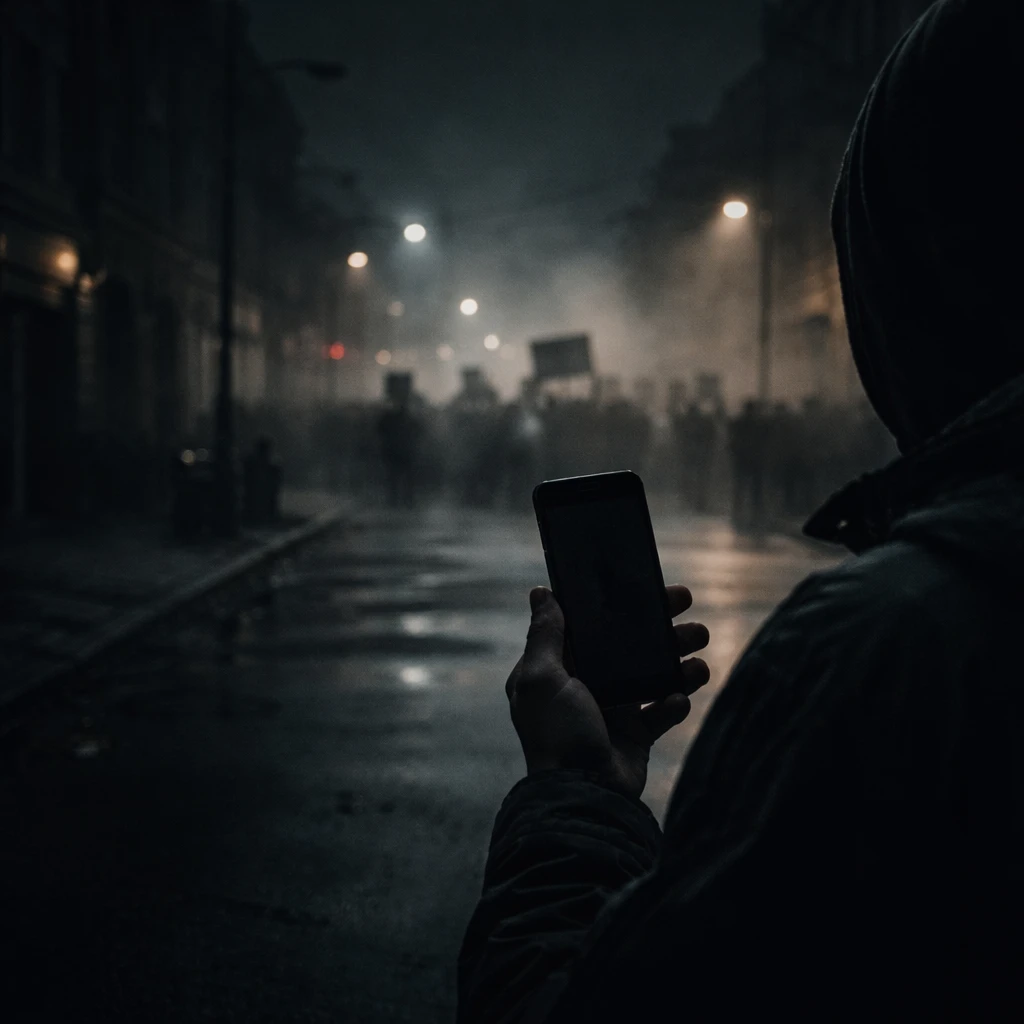

Iran faces an intensifying period of civil unrest, marked by continuous anti-government demonstrations now in their twelfth day. In response to the widespread protests, Iranian authorities have enforced a comprehensive internet shutdown that has significantly disrupted digital communications nationwide. This measure has drawn considerable international scrutiny and condemnation from political figures abroad, including the exiled opposition leader Reza Pahlavi.
Reports from the internet monitoring organization NetBlocks confirm that the blackout encompasses all regions, including major urban centers such as the capital Tehran. The group has highlighted the emergence of what they describe as a "digital blackout" state, severely limiting the ability of Iranian citizens to exchange information and coordinate activities amid escalating tensions.
Within numerous cities, there have been continued reports detailing severe network slowdowns, recurrent outages, and the near-complete denial of access to critical online platforms. Independent attempts to reach Iranian news websites were met with error messages indicative of a broad communications clampdown. Consequently, the internet blackout has compounded the already challenging environment for local residents striving to document and share developments in real time.
The protests originated as a reaction to deteriorating economic conditions within the country, notably characterized by soaring inflation rates and declining living standards. Discontent has spread beyond initial locations, extending into new districts within Tehran and other urban areas not previously affected by demonstrations.
Reliable sources report at least 42 fatalities connected to the unrest, including five individuals under the age of 18 and eight security personnel. The confrontations between protestors and government forces have, in some instances, become violent, contributing to a heightened atmosphere of instability.
While state-controlled media outlets project an image of normalcy by broadcasting footage of deserted streets, independent verification paints a contrasting picture. Verified videos have captured substantial gatherings of protestors across multiple cities, with some content showing significant incidents such as fires near the Young Journalists Club office, an entity affiliated with the country’s state broadcaster IRIB. The genesis of these fires remains unclear.
Symbolic acts of opposition have also been documented, exemplified by footage from Khorramabad where a protester prominently displayed the Lion and Sun flag, an emblem historically linked with dissent against the current government. This event was met with enthusiastic responses from assembled crowds, demonstrating the depth of political expression during the demonstrations.
Reza Pahlavi, the son of Iran’s last monarch and a prominent opposition voice in exile, has publicly addressed the situation via social media platform X. He emphasized the widespread demand for freedom among millions of Iranians and accused the ruling regime of suppressing dissent through comprehensive communication shutdowns, which include Internet, telephone landlines, and potential interference with satellite connections.
Pahlavi expressed gratitude towards former U.S. President Donald Trump for reiterated assurances to hold the Iranian government accountable for its actions. Furthermore, he urged leaders within Europe to take concerted steps in response to the ongoing crisis, indicating an appeal for international intervention or support.
In parallel to these developments, market-based prediction platforms have adjusted their forecasts regarding the security of Iran’s Supreme Leader Ayatollah Ali Khamenei’s position. Data from Polymarket indicate that the probability of Khamenei losing power within the current year has risen significantly, reaching 36% as of the latest update. This figure represents a marked increase from 28% the day prior and 21% a week earlier, reflecting growing uncertainty about the regime’s stability amid current events.
Overall, the situation in Iran continues to evolve rapidly, with widespread protest activity met by stringent government attempts to control information flow and public order. The geopolitical and social implications of these developments remain closely watched by international observers and stakeholders.