
Jim Beam, a leading bourbon producer based in Kentucky, will pause operations at its principal distillery campus in Clermont beginning January 1, according to an official statement from the James B. Beam Distilling Company. This strategic decision is a response to persistently high levels of bourbon aging stock and an uncertain international trade environment largely influenced by prior tariffs and retaliatory measures.
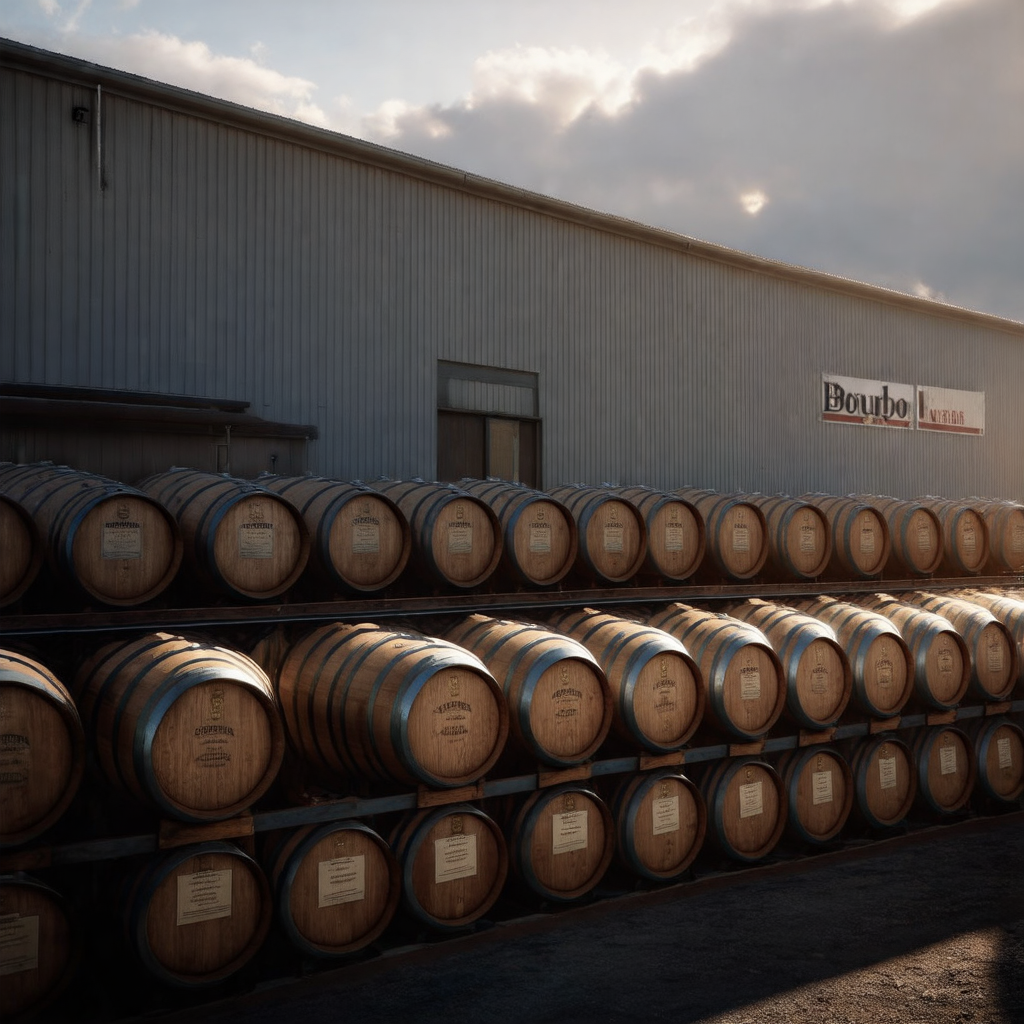
As of October, the Kentucky Distillers’ Association revealed the state is maintaining a record 16.1 million barrels of aging bourbon. This figure represents the largest inventory in Kentucky's history, underscoring the current surplus facing the distilling industry. Maintaining this stockpile comes at a cost since the state assesses taxes on spirits in aging barrels, a financial burden that distillers must absorb.
Specifically, Kentucky distillers contributed $75 million in taxes on aging barrels during the 2024 fiscal year, marking a substantial 27% increase compared to the previous year. These rising costs, combined with growing inventories, have influenced companies like Jim Beam to reconsider production volumes.
Jim Beam is owned by Suntory Global Spirits, which stated the Clermont distillery suspension is timed to allow focused investment in enhancements to the production site. However, to maintain some level of distillation, operations will continue at the Fred B. Noe craft distillery located within Clermont, as well as the Booker Noe distillery situated in Boston, Kentucky.
In their official communication, the company emphasized ongoing assessments of production capacity to align with market demand. It cited recent internal reviews concerning output levels planned for 2026 as a key driver behind this operational pause. Suntory Global Spirits has not announced any layoffs coinciding with the production adjustments and currently employs over 1,000 workers across Kentucky locations.
While the production halt affects distilling activities at the main campus, bottling and warehousing functions will persist uninterrupted in Clermont. The company also highlighted continuing negotiations with employees represented by the United Food and Commercial Workers union to clarify how these changes might impact the workforce. Representatives from the union have not publicly commented on these developments.
The backdrop of these industry shifts includes ongoing effects related to the trade war initiated during President Donald Trump’s administration. Whiskey and spirits producers have contended with retaliatory tariffs imposed by trade partners, contributing to market volatility. Additionally, a broader affordability crisis has led some consumers to reduce discretionary spending, further affecting demand.
International trade challenges have notably affected the American whiskey sector. In March, Canadian authorities implemented bans on the sale of American spirits in certain provinces, a restriction still in force in parts of Canada. The European Union also enacted threats to impose tariffs as high as 50% on American whiskey imports in retaliation for U.S. steel and aluminum tariffs. However, these tariffs were temporarily suspended for six months starting in August, covering spirit imports including whiskey, wine, and used barrels.
Eric Gregory, president of the Kentucky Distillers’ Association, expressed concern regarding the uncertainties confronting the industry. He underscored the difficulty of long-term planning for bourbon, given the product’s extended maturation requirements that span several years. Gregory emphasized the necessity of tariff-free trade to allow America’s distinctive native spirit to prosper sustainably.