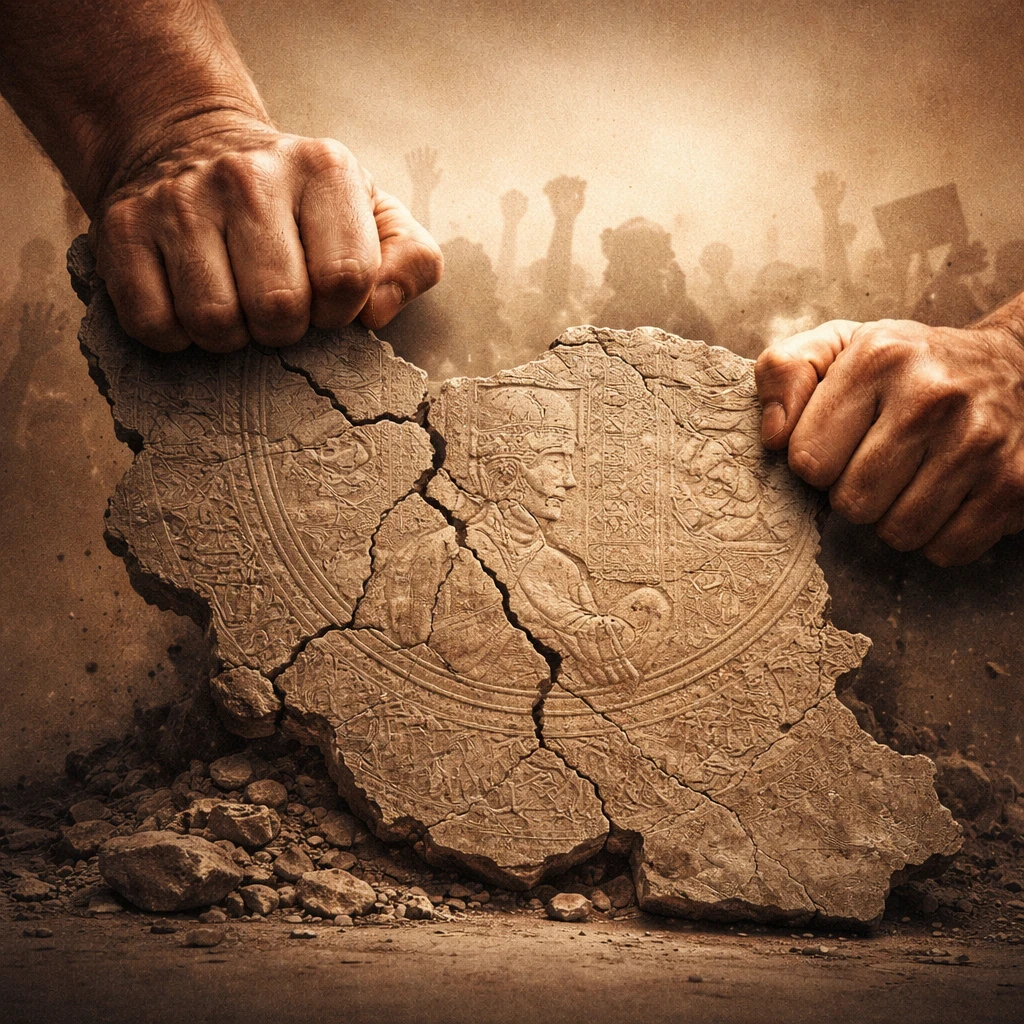

In the midst of escalating civil unrest throughout Iran, John Bolton, who formerly served as the U.S. national security adviser, has openly criticized ongoing diplomatic efforts with the Iranian government. He has described such negotiations as futile, emphasizing a strategic pivot towards heightened pressure and intimidation tactics directed at Tehran to empower opposition groups attempting to dismantle the existing leadership.
Bolton’s comments were made public on a social media platform where he shared a video excerpt of an interview conducted on NewsNation. The timing of his remarks coincided with advisories issued by the U.S. State Department recommending American citizens to evacuate Iran amid intensifying demonstrations and a corresponding surge in government crackdowns.
Describing negotiations with the Iranian authorities as a "waste of oxygen," Bolton proposed that the United States should instead focus on creating an environment that instills fear within the regime’s ranks. He articulated a vision of collaborating with opposition actors to strategically erode the regime’s internal cohesion from the top down. According to Bolton, intelligence from inside Iran suggests that government repression may have resulted in thousands of fatalities as protests move into a successive week, casting the situation as ‘‘very dangerous.’’
When asked about the prospect of U.S. military interventions such as airstrikes, Bolton asserted that any use of force should be integrated into a comprehensive and clearly defined objective. He questioned, "What’s the plan? What’s the objective?" and advocated for a strategy whose primary goal would be aiding opposition factions in overthrowing the clerical-led government along with the Revolutionary Guard.
Bolton disparaged the idea of limited strikes aimed merely at signaling U.S. resolve, labeling them insufficient. Instead, he recommended focusing on critical Iranian power centers including the Revolutionary Guard’s command facilities, internal security apparatus, nuclear and missile development programs, and naval forces situated in the Persian Gulf.
Further, he dismissed media reports indicating Iran's attempts to engage in private negotiations with the U.S., warning that Tehran would exploit talks to delay any meaningful actions by the United States and to deflect pressure.
Simultaneously, President Donald Trump announced a 25% tariff targeting nations that continue business dealings with Iran. This levy is part of a broader effort to ramp up economic pressure amidst the violent demonstrations unfolding within the country. Human rights organization HRANA has documented approximately 490 civilian deaths, 48 fatalities among security personnel, and over 10,800 arrests in connection with the unrest. State media has broadcast images of funerals and body bags related to the crackdown.
President Trump also weighed the option of military responses, signaling that any aggressive actions by Iranian forces against protesters would elicit a U.S. reaction. Although he acknowledged Iran's gestures towards negotiating its nuclear initiatives, he warned that proactive measures might be required prior to any diplomatic engagement. In response, Tehran has simultaneously indicated readiness for conflict while extending invitations for dialogue.
The rising tensions have reverberated through global energy markets, leading to hikes in crude oil and natural gas prices. Iran’s control over the Strait of Hormuz—a vital maritime passage responsible for transporting one-third of the world's seaborne oil—has been a significant contributing factor in market volatility. Energy analysts caution that any interruption in transit through this chokepoint could escalate Brent crude prices to $110 per barrel, posing substantial risks for global energy supply security.
Given these developments, Bolton's hardline stance underscores a discernible shift towards leveraging both economic sanctions and possible military strategies aimed at destabilizing the Iranian regime by supporting internal opposition movements rather than pursuing conventional negotiations. The environment remains volatile, with significant humanitarian, geopolitical, and energy implications as the crisis unfolds.