
In a recent development, the Justice Department has inducted 33 new immigration judges into the Executive Office for Immigration Review, bolstering a workforce that has seen considerable attrition under the current administration. This infusion of judges follows an earlier appointment of 36 judges in October, of whom 25 were temporary hires. The augmentation comes on the heels of a wave of firings and pressured departures exceeding 100 immigration judges since early 2025, out of an estimated total bench of about 700, according to data from the American Immigration Lawyers Association.
The newly sworn judges will be deployed across a geographically diverse array of immigration courts spanning Arizona, California, Colorado, Florida, Georgia, Illinois, Louisiana, Maryland, Massachusetts, Nebraska, New York, Texas, Utah, Virginia, and Washington. The latest cohort includes 27 temporary judges with appointment terms lasting up to six months and six newly appointed permanent immigration judges.
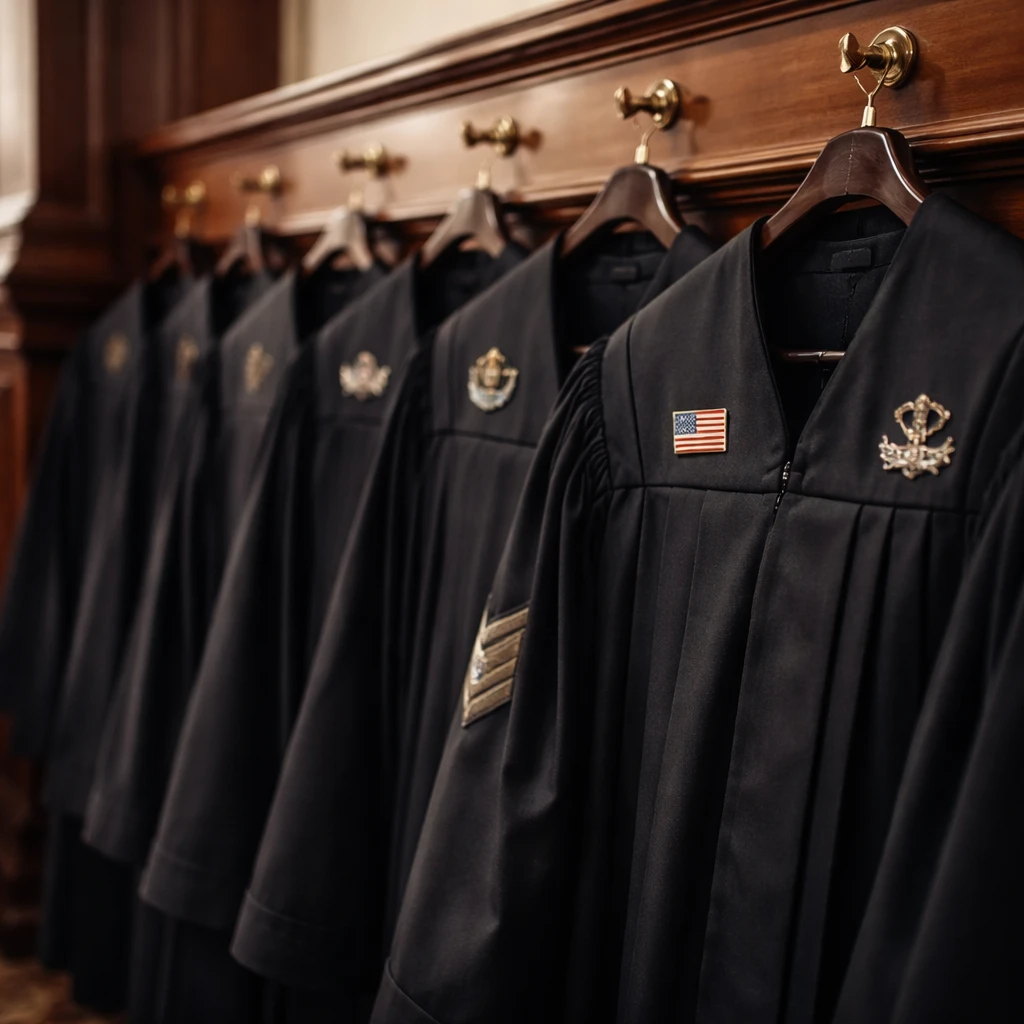
A notable feature of this recruitment wave is the significant representation of military lawyers, making up half of the permanent judge appointments and all of the temporary judges. This practice follows the Pentagon's September announcement that military and civilian legal personnel within the Department of Defense would be temporarily assigned to serve as immigration judges. Defense Secretary Pete Hegseth's initiative thus deepens the military's involvement in immigration adjudication, blurring the lines between armed forces legal counsel and the civilian immigration court system.
A Justice Department representative characterized these appointments as a move to restore integrity and credibility to immigration courts after four years of hiring practices under the previous administration, which they claim undermined the impartiality of the system. These statements frame the current hiring surge as a corrective measure focused on enhancing national security and public safety through the administration of immigration laws.
However, this expansion of the immigration judiciary must be understood within the context of the ongoing challenges faced by the courts. Since the start of the current presidential term, there has been an acceleration in immigration arrests and deportations, intensifying the demands on a bench that is now considerably leaner than prior levels. The reduction in personnel and surge in caseloads have exacerbated an already severe backlog, which reached approximately 3.2 million cases by the end of 2025, based on data compiled by Mobile Pathways, a nonprofit organization monitoring court proceedings.
Complicating the adjudicatory environment is a recent Board of Immigration Appeals ruling that reinterpreted a significant statute, resulting in the mandatory detention of thousands of migrants who previously would have been eligible for release on bond. This statutory interpretation has faced repeated challenges and rejections from federal judges in various jurisdictions, highlighting ongoing legal contention in immigration enforcement policies.
In an effort to address procedural delays, the administration is moving toward enacting a fast-track regulatory measure that would truncate the appeal period following an immigration judge's decision to 10 days from longer current durations. Additionally, the regulation is expected to streamline the ability of the appeals board to dismiss challenges to immigration judge rulings. This accelerated timeline aims to reduce overall processing speeds but introduces new procedural pressures for appellants and court administrators alike.
Collectively, these developments illustrate a strategic expansion and reorientation of the immigration adjudication system under the Trump administration, emphasizing rapid case processing with a judiciary supplemented by individuals often with military legal experience. The resulting operational adjustments seek to address surging deportation targets while navigating logistical complexities and persistent court backlogs.