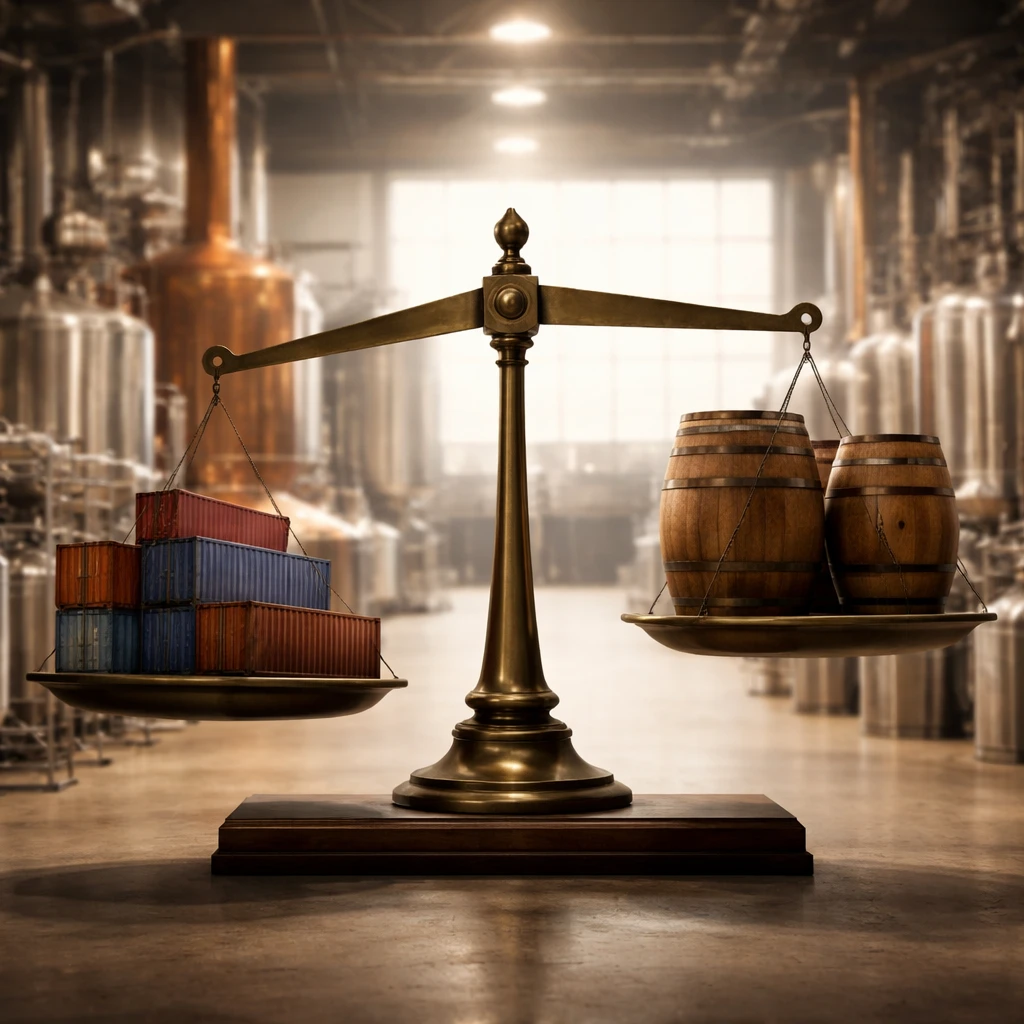

Jim Beam, a leading bourbon producer, has announced a temporary suspension of production at its main distillery in Kentucky. This development comes amid ongoing challenges linked to elevated tariffs that were implemented during former President Donald Trump’s tenure, according to Democratic Representative Morgan McGarvey.
Rep. McGarvey, speaking on the situation, attributed the production pause to the repercussions of these tariffs, which have imposed significant costs and disruptions on companies reliant on multi-tier supply chains. The tariffs have increased the cost of imported materials and equipment crucial for bourbon production, constraining operations and compelling the company to halt output temporarily to manage resources effectively.
The pause at Jim Beam's facility highlights broader impacts on the distillery's working capital and operational scheduling. Industry observers note that such interruptions can ripple throughout the supply chain, affecting vendor relationships and backlog fulfillment. Managing production rates and product mix becomes challenging when cost structures shift unpredictably due to tariff-related expenses.
While specific details on the duration of the stoppage remain limited, the decision reflects the tension between trade policies and domestic manufacturing sustainability, especially in sectors integral to state economies like Kentucky's bourbon industry.
Rep. McGarvey's remarks shine a light on the intersection of trade concerns and local economic health. As tariffs increase input costs, companies like Jim Beam must recalibrate their production strategies, which can lead to pauses and potential delays in product availability. These dynamics serve as a reminder of how political decisions on trade directly influence industrial operations and employment within key manufacturing hubs.
Overall, the situation presents a case study in how external tariff measures compel adjustments in production planning and financial management in the manufacturing sector, with implications for workers, suppliers, and associated markets reliant on the steadily produced and distributed bourbon products from Kentucky’s famed distilleries.