
The year 2023 concluded with a notably sluggish job market in the United States, as employers added just 50,000 jobs in December alone. This figure reflects the slowest full-year job growth in many years, with the Bureau of Labor Statistics reporting a total of 584,000 jobs added throughout the year, a low not seen since 2003 outside of recession periods.
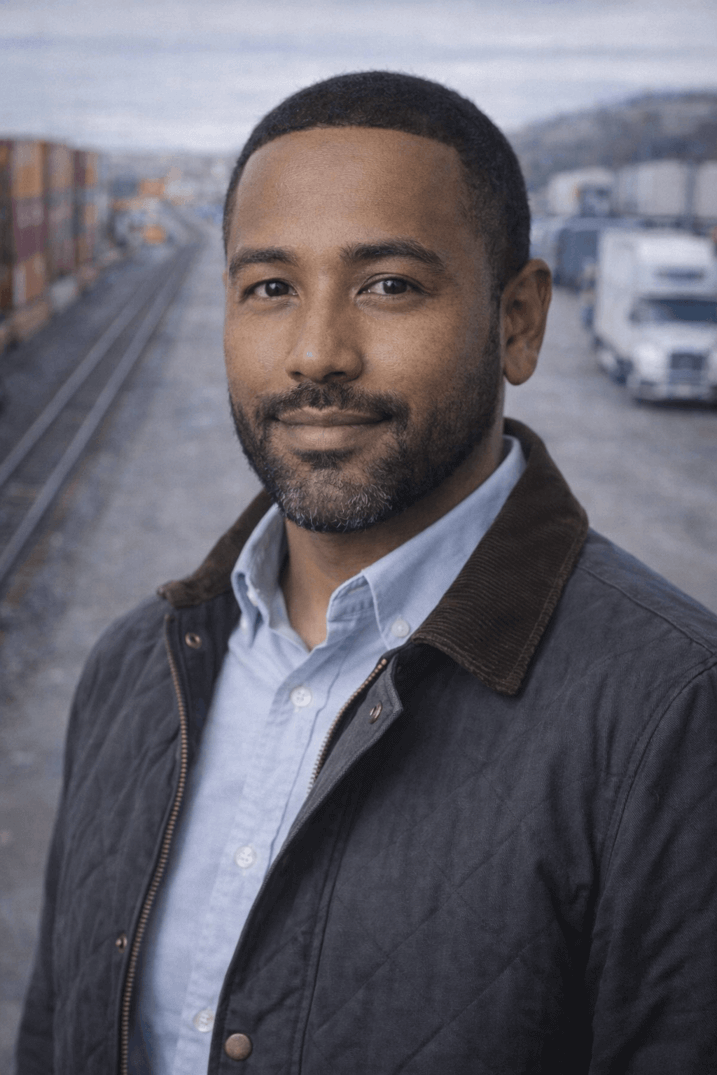
Investor and television personality Kevin O'Leary spoke candidly about these employment figures during a NewsNation interview on Friday. He described the December job creation number as "soft" and expressed a clear wish for a stronger performance, saying, "Fifty thousand was soft. I mean, there’s no getting around it. You wish it was 150,000." This assessment contrasts sharply with public statements from political leaders praising the economy's resilience.
O’Leary attributes much of the hiring slowdown to a cautious stance taken by small business owners. He emphasized that businesses with five to 500 employees generate 72 percent of new jobs in America, underscoring their significance as the backbone of the economy. However, in the current environment, many of these businesses are reluctant to increase their workforce due to ongoing uncertainty surrounding government policies.
"Small business owners are waiting on a Supreme Court decision related to tariff rebates," O'Leary explained, highlighting a pivotal issue impacting their hiring decisions. The judicial ruling in question could determine whether businesses can receive reimbursement for tariff costs incurred during emergency trade measures. Until clarity arrives, many companies are opting for a cautious approach, limiting hiring and investment.
The December employment data reveals where jobs were gained and lost last month. Leisure and hospitality industries added 47,000 jobs, while health care and social assistance increased by 38,500. In contrast, manufacturing and retail sectors saw declines in employment, contributing to the overall sluggish job growth picture.
Navy Federal Credit Union's Chief Economist Heather Long described the current labor market as a "jobless boom." In her analysis provided to CNN, she noted that if the gains in health care and social assistance were excluded, the United States might have experienced net job losses throughout the year. This observation points to a labor market that is uneven and vulnerable.
Other labor market indicators raise further concerns. For instance, ZipRecruiter's workforce data analyst Nicole Bachaud noted an alarming increase in long-term unemployment, describing it as a shift toward unemployment becoming a protracted or even permanent state rather than merely a temporary phase. These trends suggest challenges in transitioning unemployed workers back into the job market.
Despite the soft employment data, O’Leary maintains a positive outlook for 2026, placing particular focus on energy infrastructure development. He remarked on the global competition in power generation technology, noting that China is advancing power generation capabilities approximately four times faster than the U.S. This intensifies the need to invest domestically in infrastructure upgrades and innovation.
Recently visiting Utah, O’Leary commended the state's leadership for efforts to streamline permitting processes and attract investment capital, contrasting it favorably with other states like California. He summed up his stance by distinguishing between "winner states and loser states," with Utah ranking among the former due to its business-friendly environment.
This investment perspective aligns with growing interest among accredited investors in private real estate markets. Investors are seeking to place capital into income-producing assets characterized by lower volatility compared to public markets. Platforms such as Lightstone DIRECT have entered the scene, providing institutional-grade access to real estate investments with the ability for investors to co-invest alongside managers holding large portfolios, addressing the cautious capital movement in uncertain times.
O’Leary ended his interview with light humor regarding his Utah visit, mentioning his diet of steak and salad while expressing his optimism for the coming year. His comments reflect a belief in the potential for sectors such as energy infrastructure and real estate investment to offer promising opportunities amidst broader economic softness.
Key Points:
- The U.S. economy's job growth slowed dramatically in 2023, with only 50,000 jobs added in December and 584,000 jobs across the year, the weakest growth in decades.
- Kevin O’Leary describes the December employment numbers as "soft," highlighting policy uncertainty, particularly regarding tariff rebates, as a leading cause.
- Small businesses, responsible for the majority of job creation, are postponing hiring decisions amid unresolved federal trade policy matters and economic caution.
- Despite weakness in labor market data, O'Leary expresses optimism about investment prospects in energy infrastructure and business-friendly regions like Utah.
Risks and Uncertainties:
- Ongoing policy uncertainty, especially surrounding tariffs and potential Supreme Court rulings, may continue to suppress hiring activity among small businesses.
- The uneven labor market, with employment gains concentrated in health care and hospitality but losses in manufacturing and retail, points to sector-specific vulnerabilities.
- Rising long-term unemployment risks entrenching unemployment as a prolonged condition, potentially exacerbating labor market challenges.
- Global competition in power generation technology, especially from China, signals risks for U.S. energy infrastructure if investment and innovation lag behind.
Disclosure: This article is for informational purposes only and does not serve as investment advice.