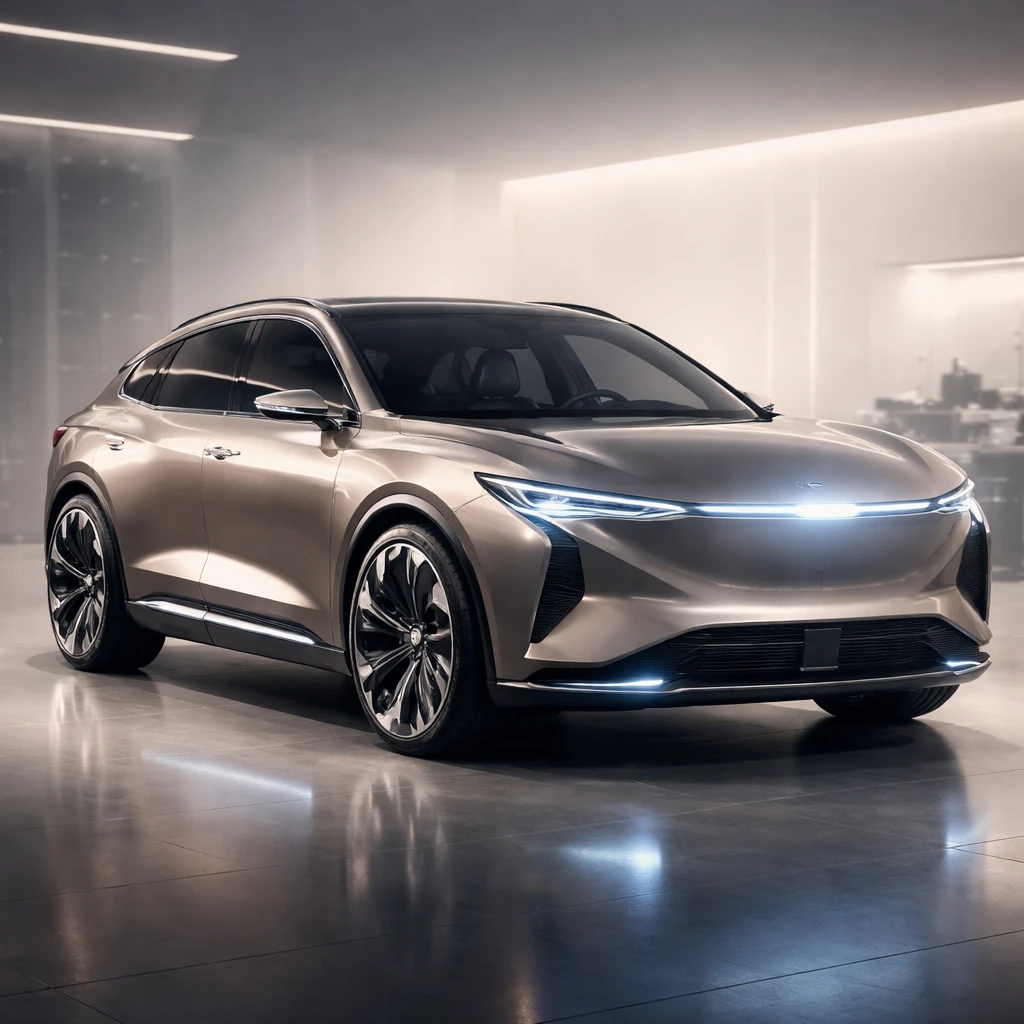

Traditionally, seeing an SUV priced in the seven-figure range was considered highly unlikely. However, recent trends indicate that this milestone is becoming an inevitability. This shift is not merely a consequence of inflationary pressures but is reflective of the unique value and prestige that a million-dollar price tag commands in the luxury automotive market.
As of early 2026, the most expensive production SUVs occupy a price band just below the $500,000 mark. Topping this segment is the Rolls-Royce Black Badge Cullinan, which commands a starting price approaching $472,750. Following closely behind are the Ferrari Purosangue, retailing around $435,000, and the Bentley Bentayga Mulliner Extended Wheelbase, priced near $340,000. These figures highlight a clearly established upper limit for SUV pricing that luxury automakers are now seeking to surpass.
The Ascendancy of Luxury SUVs in the High-End Market
Historically, the world's priciest automobiles have predominantly been supercars or hypercars characterized by two-door designs. SUVs have traditionally been pegged as practical vehicles focused on utility functions such as towing, off-road capability, or family transport. Their reputation as mere workhorses constrained their appeal in the ultra-luxury arena.
The advent of the “Super SUV” category has substantially altered this perception. Manufacturers like Lamborghini and Aston Martin have successfully bridged performance excellence with the commanding presence of SUVs. Lamborghini’s Urus, introduced in 2017, rapidly became the brand’s bestseller, showcasing that consumers are willing to pay supercar-level prices for SUVs delivering high performance. Aston Martin followed suit with the DBX707, boasting a powerful 707-metric-horsepower engine, further cementing SUV desirability among affluent buyers seeking both luxury and capability.
Charting the Move Toward a Million-Dollar SUV
Projections anticipate that the threshold of a $1 million SUV will be breached through the efforts of established automakers who leverage two primary strategies: bespoke craftsmanship and electric propulsion systems. McLaren, traditionally renowned for its sports cars, is actively developing its inaugural SUV, slated for release in 2028. Initial sales prices for this model are expected to exceed $500,000, positioning it prominently within the most exclusive SUV category.
The first true million-dollar SUV is anticipated to emerge as an all-electric vehicle incorporating groundbreaking technological innovations. Brands such as Cadillac or Aston Martin are likely candidates to introduce such models, drawing from their existing strategies used to market ultra-premium electric sedans like Cadillac’s $360,000 Celestiq liftback. This strategic approach combines cutting-edge EV technology with tailored luxury craftsmanship to justify and support a seven-figure price point.
Evolution of Luxury SUV Pricing and Market Acceptance
The rapid expansion of luxury SUVs into the ultra-premium market is evident when examining historical pricing trajectories. For context, the Land Rover Range Rover debuted in the U.S. market in 1987 with a price of approximately $30,000. When adjusted for inflation, this equates to roughly $90,000 in today's dollars. Initially, some industry observers questioned the rationale behind pricing an SUV similarly to a luxury sedan, viewing the Range Rover as a glorified utility vehicle.
However, evaluations of ride quality and comfort revealed unexpected advantages. Early reviews noted that the vehicle offered a remarkably smooth driving experience, even at high speeds over uneven terrain, likening its refinement to that of high-end sedans like Cadillac. This paved the way for consumer acceptance of SUVs beyond their traditional functions, cultivating demand for SUVs with premium features and elevated price tags.
Implications for the Market and Investors
The luxury SUV sector's migration into the super-premium and soon ultra-premium segments reflects broader consumer shifts valuing exclusivity, performance, and technological innovation. Given the trajectory outlined, automakers incorporating electric powertrains alongside individualized craftsmanship stand to redefine luxury and desirability in the SUV class.
While prices creep upward toward the million-dollar mark, the perceived value aligns with the prestige and technical sophistication consumers now expect. This evolving landscape offers notable implications for stakeholders monitoring high-end automotive trends and investment opportunities within this expanding niche.
As a final note, it is important to highlight that while these developments represent a significant shift, pricing ceilings and consumer reception remain subject to factors such as manufacturing costs, technological advancements, and the evolving competitive landscape in luxury transportation.