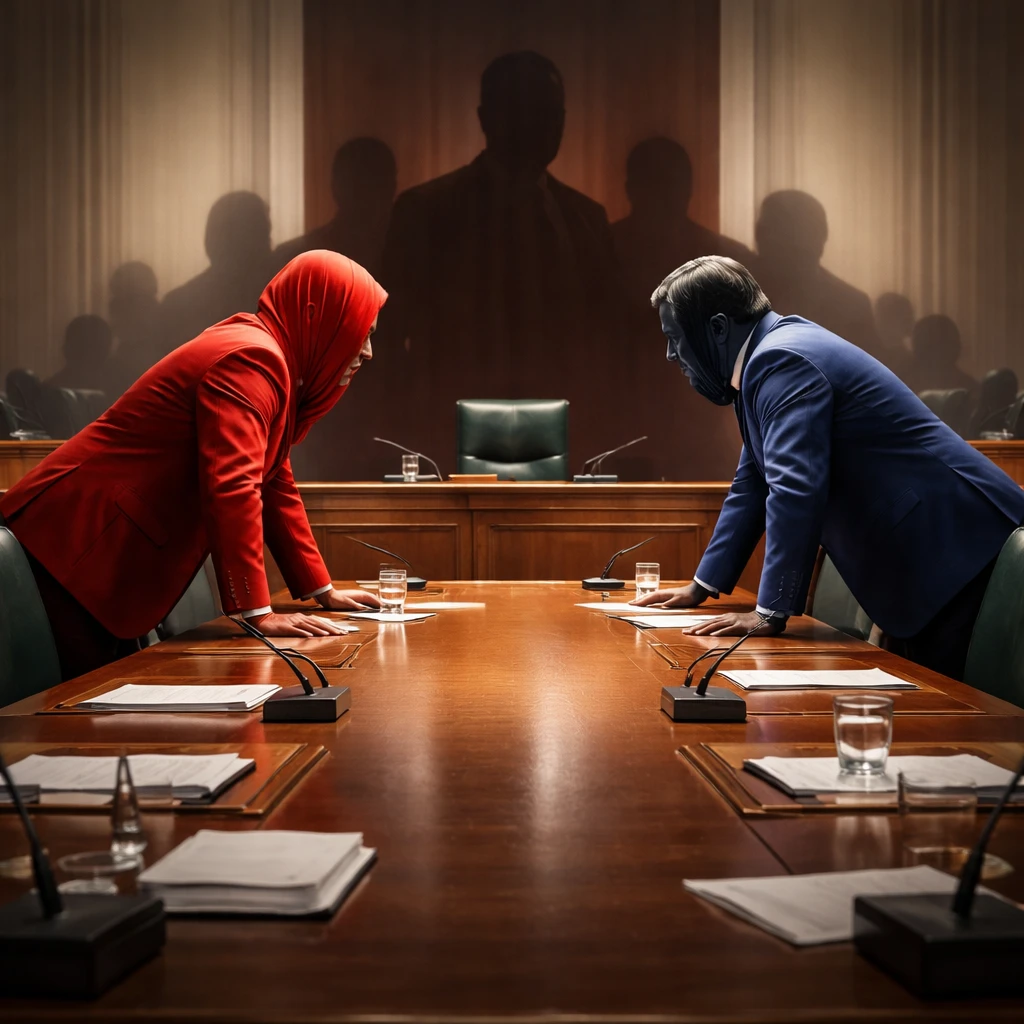

In a recent escalation of discord within the Republican Party, Representative Marjorie Taylor Greene of Georgia openly questioned the legitimacy of Speaker Mike Johnson’s leadership. Addressing reporters on Monday, Greene stated that Johnson is not acting as an independent speaker for the GOP majority, but rather following explicit directives from the Trump White House — a claim that sheds light on the increasing division over control and authority in the House of Representatives heading into the midterm elections in 2026.
Greene, who represents a vocal faction of the party, articulated her stance during an interview with a prominent national publication. She categorically declared, "I want you to know that Johnson is not our Speaker. He is not our leader." She further elaborated that "He is literally 100% under direct orders from the White House," suggesting that Johnson’s decision-making is heavily influenced by former President Donald Trump’s political agenda rather than the broader interests of the Republican caucus.
This accusation signals notable frustration within the party ranks, especially among Republicans who feel constrained in voicing dissent given Trump's continued influence. Greene described many in the GOP as "cowards," interpreting their reluctance to challenge Trump’s dominance as an impediment to effective governance. These tensions come at a pivotal moment when Republicans hold a majority in the House and face the challenge of uniting on legislative priorities and strategic direction.
Greene, who has announced plans to resign on January 5, has been a consistent critic of Johnson’s handling of several key issues. Her objections include his approach to government funding, lack of progress on a GOP-led alternative to Affordable Care Act subsidies, and his initial resistance to a bipartisan bipartisan effort aimed at releasing files related to the Jeffrey Epstein case. These points of contention highlight deeper disagreements over the policy agenda and leadership style within the party.
In response to Greene’s remarks, a spokesperson for the White House dismissed her accusations, framing them as ill-timed given her impending departure from Congress. The spokesperson emphasized the importance of party unity at this juncture and reaffirmed Trump's position as the "undisputed leader of the greatest and fastest growing political movement in American history." Additionally, the spokeswoman criticized Greene for "quitting on her constituents in the middle of her term," underscoring the perception of abandonment rather than constructive dissent.
Meanwhile, Speaker Johnson has publicly defended his record and the achievements of the Republican majority. Through an opinion piece published in a leading financial newspaper, he highlighted legislative accomplishments including hundreds of bills passed, reductions in federal spending, and the codification of executive orders from the Trump administration. Johnson’s statements frame his leadership as effective and results-oriented, countering allegations of undue influence or passivity.
Efforts to obtain comment from Johnson’s team were not immediately successful, leaving some questions about how the speaker intends to manage ongoing factional disputes within his party.
The rift between Greene and Johnson is part of a broader context of tensions within House Republicans, exacerbated by President Trump's recent criticisms of Greene. Last week, Trump characterized her as a "stone cold liberal" and "highly neurotic," blaming their fraught relationship in part on her grievances about insufficient communication from him. Greene’s decision to step down appears to be motivated by a desire to avoid a divisive primary battle, as well as frustration over intra-party policy conflicts related to healthcare, economic affordability, and inquiries surrounding Epstein-related files.
Notably, despite previous differences, Greene expressed sympathy toward Trump earlier in the month after his harsh comments contributed to security threats against her and her family, though she stated that she had forgiven him. She has also criticized Johnson for withholding a GOP plan to replace Obamacare and has called on Senate leaders to take more assertive actions to pass funding bills.
As the Republican Party prepares for the 2026 election cycle, these internal disputes reflect significant challenges related to leadership legitimacy, policy cohesion, and the balance of power between congressional leaders and the influence wielded by former President Trump. The outcome of this intra-party dynamic will likely shape the Republican agenda and its effectiveness in Congress moving forward.