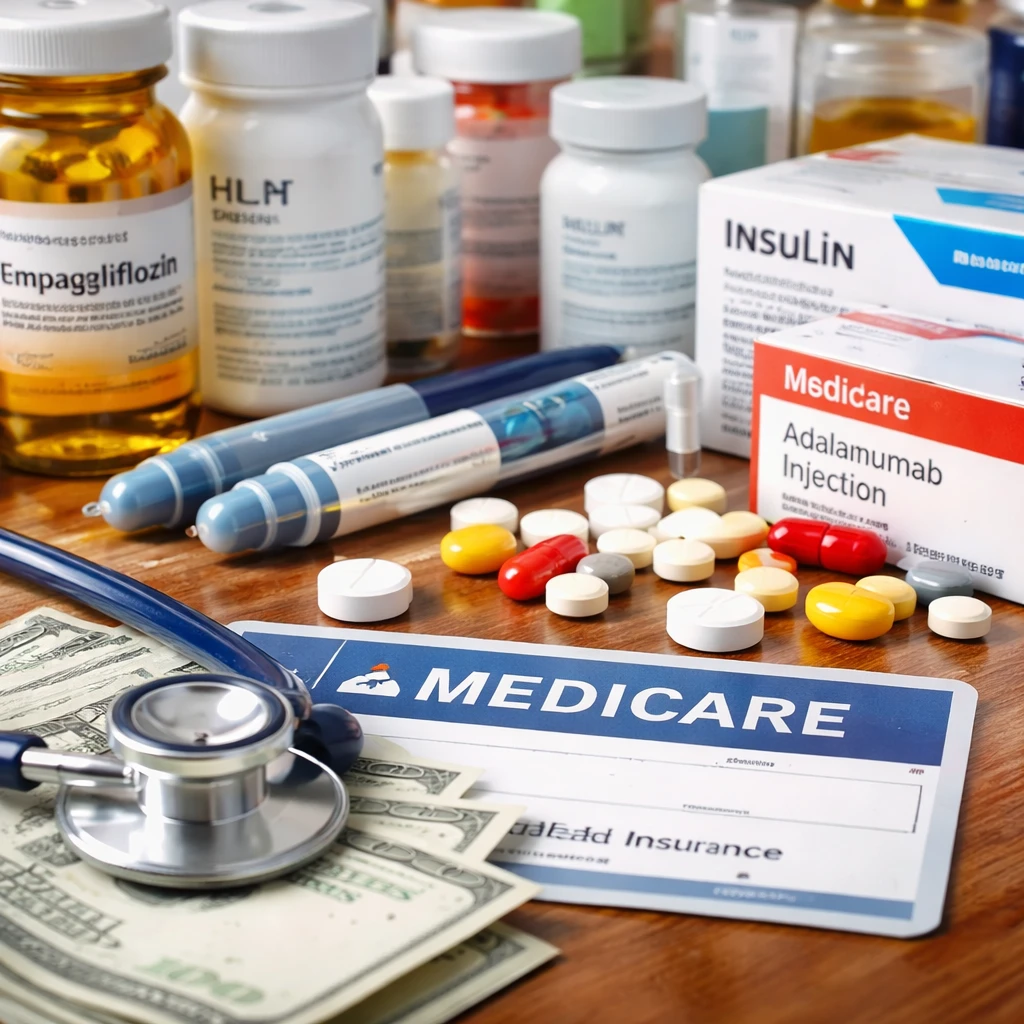

The federal administration has announced the inclusion of 15 new prescription medications in the Medicare drug price negotiation program, aiming to lower the cost of several commonly used and costly drugs. Among the selected medicines are treatments for chronic diseases such as Type 2 diabetes, HIV, and arthritis, categories which represent some of the highest expenditure areas within Medicare.
These negotiations come under legislation enacted in 2022, granting Medicare the authority to independently negotiate drug prices with manufacturers. The selections were mandated to be revealed by February 1, with the current list signaling the third phase of the program, and bringing the total number of drugs with negotiated prices to 40 once these new agreements take effect in 2028.
This marks the initial occasion where Medicare Part B medications—those administered in outpatient settings like doctors' offices, typically injectable or infused—are eligible for the program in addition to Part D retail prescription drugs included in previous rounds. Notable drugs in this selection include Trulicity, a widely prescribed Type 2 diabetes medication, and Biktarvy, an HIV treatment, along with Botox, whose price negotiations will apply solely to Medicare-covered clinical uses such as migraine and overactive bladder management.
Other drugs designated for negotiation target conditions spanning psoriasis, ulcerative colitis, chronic pulmonary disease, depression, and various cancers. Recent data from the Centers for Medicare and Medicaid Services (CMS) indicates approximately 1.8 million Medicare Part B and Part D beneficiaries have utilized these 15 drugs, which collectively accounted for roughly 6 percent of the overall spending in those Medicare parts during the last year.
Additionally, traditional drugs previously negotiated under the program continue to be reviewed, as seen with the diabetes medication Tradjenta, which is slated for renegotiation this year.
CMS Administrator Dr. Mehmet Oz emphasized the government’s commitment to addressing escalating prescription costs, describing the efforts as a measure to ensure the Medicare system prioritizes patients’ interests over special industry stakeholders.
The announcement received positive remarks from advocacy groups; AARP's CEO Dr. Myechia Minter-Jordan acknowledged the progression as a vital step toward meeting the widespread demand for affordable medication among seniors.
Conversely, the pharmaceutical industry expressed criticism of the underlying Inflation Reduction Act enabling these negotiations. The industry’s leading trade association, PhRMA, advocates that concerns about drug prices should focus instead on insurance companies and pharmacy benefit managers rather than government price controls.
CMS had earlier announced negotiated drug prices for 15 medications scheduled for 2027 implementation, while reduced costs for the initial 10 drugs negotiated by the current administration came into effect at the start of this year.
The complete roster of the newly selected drugs includes Anoro Ellipta, Biktarvy, Botox (Medicare uses), Cimzia, Cosentyx, Entyvio, Erleada, Kisqali, Lenvima, Orencia, Rexulti, Trulicity, Verzenio, Xeljanz, Xeljanz XR, and Xolair.