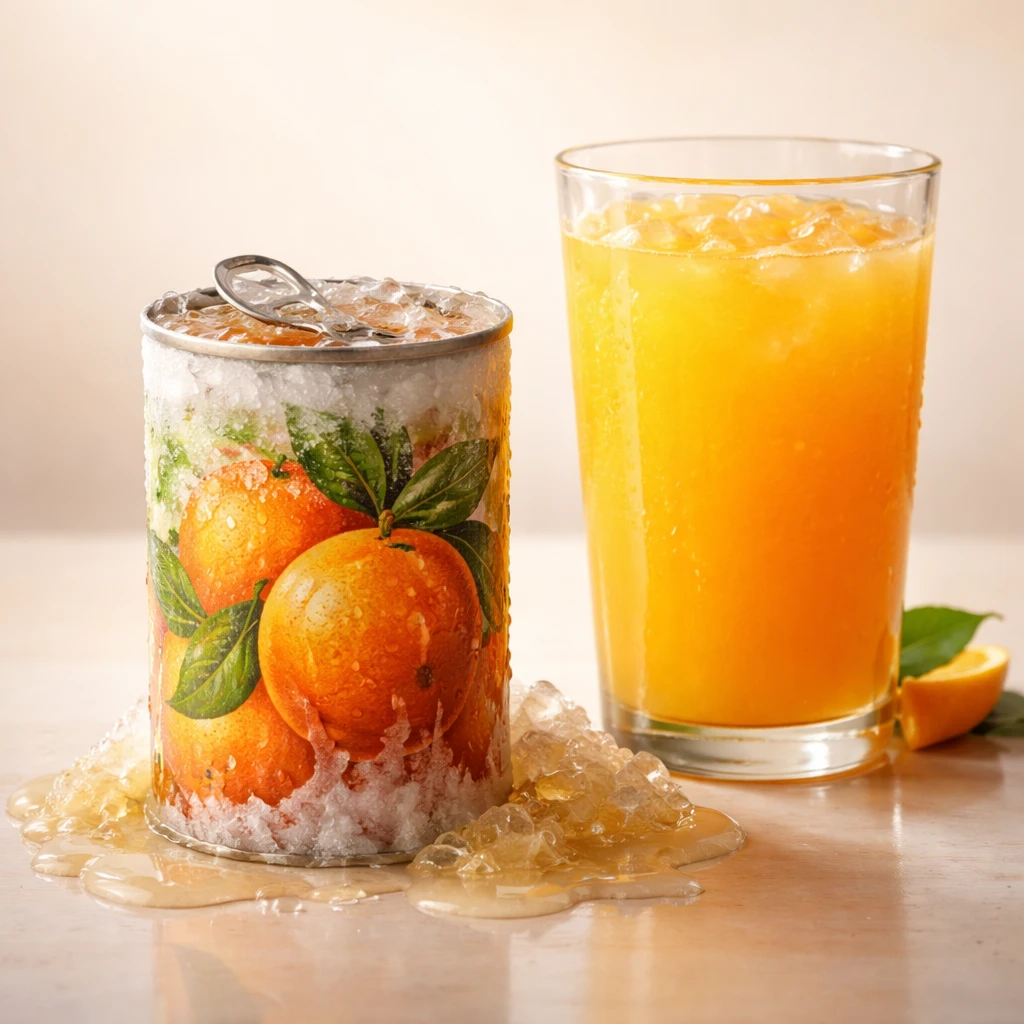

After nearly eight decades on the market, Minute Maid's frozen juice concentrates are being phased out by Coca-Cola. The beverage giant announced this strategic shift on Thursday, signaling the end of an era for the frozen juice category that Minute Maid has been a key player in since the mid-20th century.
The decision to exit the frozen can segment comes as part of Coca-Cola's broader effort to align its portfolio with evolving consumer tastes. According to a company representative, the move reflects a conscious response to "shifting consumer preferences," with an emphasis on prioritizing products more closely aligned with what customers currently desire.
Minute Maid's frozen juices, which have been offered in multiple flavors such as orange, lemonade, pink lemonade, raspberry lemonade, and limeade, will continue to be available for purchase only until the supplies in stores are exhausted.
The inception of the frozen juice concept dates back to 1946 when Vacuum Foods Corporation introduced it with the goal of offering consumers the convenience of enjoying fresh farm juice throughout the year. Three years following this introduction, the brand name "Minute Maid" was established to emphasize the convenience and ease of preparation that these juice concentrates provided.
Coca-Cola acquired Minute Maid in 1960, integrating the brand into its extensive beverage portfolio. However, via technological advances in refrigeration and pasteurization over the decades, the consumer need for frozen juice notably declined, largely displaced by fresh juice options available year-round.
While frozen juice concentrates are being discontinued, Minute Maid continues to market fresh juice products and has expanded its offerings to include alcoholic beverages. This diversification reflects a broader market adaptation strategy, where fresh juices and zero sugar varieties have gained traction.
Recent financial disclosures from Coca-Cola's latest earnings report indicate that its juice segment experienced market share growth last quarter, buoyed in part by zero sugar flavors. In contrast, the frozen juice category has seen decreased demand; sales fell by nearly 8% over the 52-week period ending January 24, according to data from market research firm NIQ.