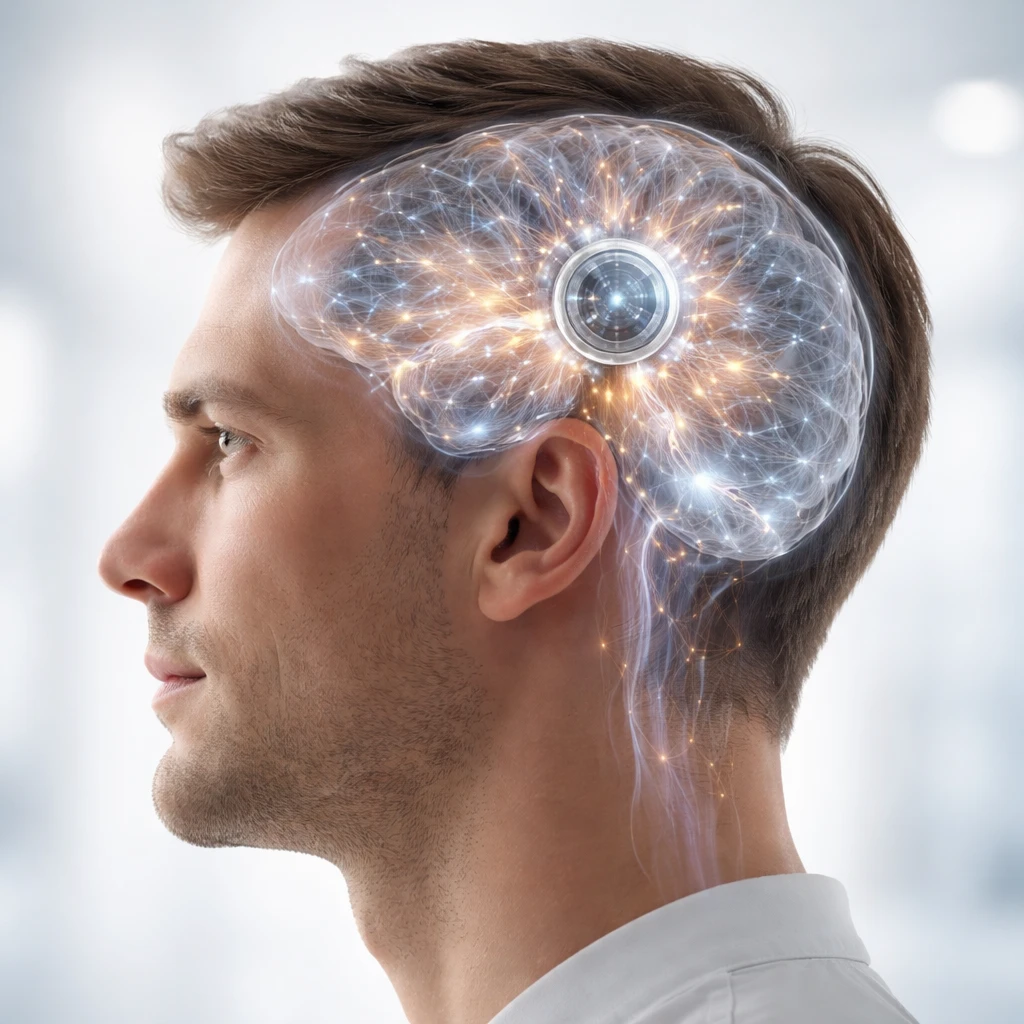

Neuralink, the neurotechnology company co-founded by Elon Musk, is making pronounced strides in its clinical development program by expanding its human trials and revealing an advanced brain implant scheduled to debut within the year. As of the latest update, the company has enrolled 21 individuals in its clinical trials across various locations internationally, reflecting a near doubling of participants since September 2023, when 12 people were reported to be utilizing the devices.
The devices, engineered to assist individuals with severe motor impairments such as paralysis or spinal cord injuries, enable users to interact with and control digital devices solely through neural signals. Previously, trial participants have successfully demonstrated the implants' functionality by performing tasks such as playing video games, navigating internet browsers, posting on social media platforms, and controlling cursors on laptop computers.
In a recent blog statement, Neuralink emphasized that one of the key objectives of the expanding clinical trials is to capture a broader variability of user experiences. This approach aims to refine both the implant hardware and the implantation procedure to enhance performance and safety for each participant.
Concurrently, Elon Musk took to social media platform X to commend the Neuralink team on these advancements. He also disclosed the company’s plans for releasing a next-generation cybernetic brain implant that offers approximately three times the capability of the current iteration. This enhanced device is projected to enter clinical use before the end of the current year.
In addition, Musk divulged preliminary information on Neuralink’s initiative named Blindsight. This project aspires to restore visual perception in individuals suffering from complete blindness. The solution envisions an initial provision of low-resolution vision that could improve progressively over time, leveraging the advanced capabilities of Neuralink’s brain implants.
Neuralink initiated its human clinical trials in 2024, following successful resolution of safety concerns initially flagged by the U.S. Food and Drug Administration in 2022. This regulatory clearance paved the way for human testing evaluating the safety and efficacy of the neuroprosthetic devices.
The advances in Neuralink’s technology spotlight the potentially transformative nature of brain-machine interface applications in clinical settings. Providing disabled individuals novel means of interacting with their environments via thought-controlled digital tools represents a significant breakthrough.
Nevertheless, as Neuralink scales its trial cohort and technology capabilities, ongoing attention to the safety, stability, and long-term benefits of these implants will be necessary. Observations from the expanding participant base will inform iterative improvements to device design and surgical protocols.
Looking forward, the company’s public communications indicate a dual focus on enhancing implant performance through next-generation devices and pioneering applications such as vision restoration through Blindsight. This alludes to a strategic effort to broaden the scope of brain-computer interface utility beyond motor assistance to sensory augmentation.
These developments come at a critical juncture for Neuralink, where evidence generated by human trials will underpin future regulatory and commercial pathways. The company’s ability to demonstrate consistent procedure safety, device reliability, and meaningful patient outcomes will be paramount to advancing these novel therapies.