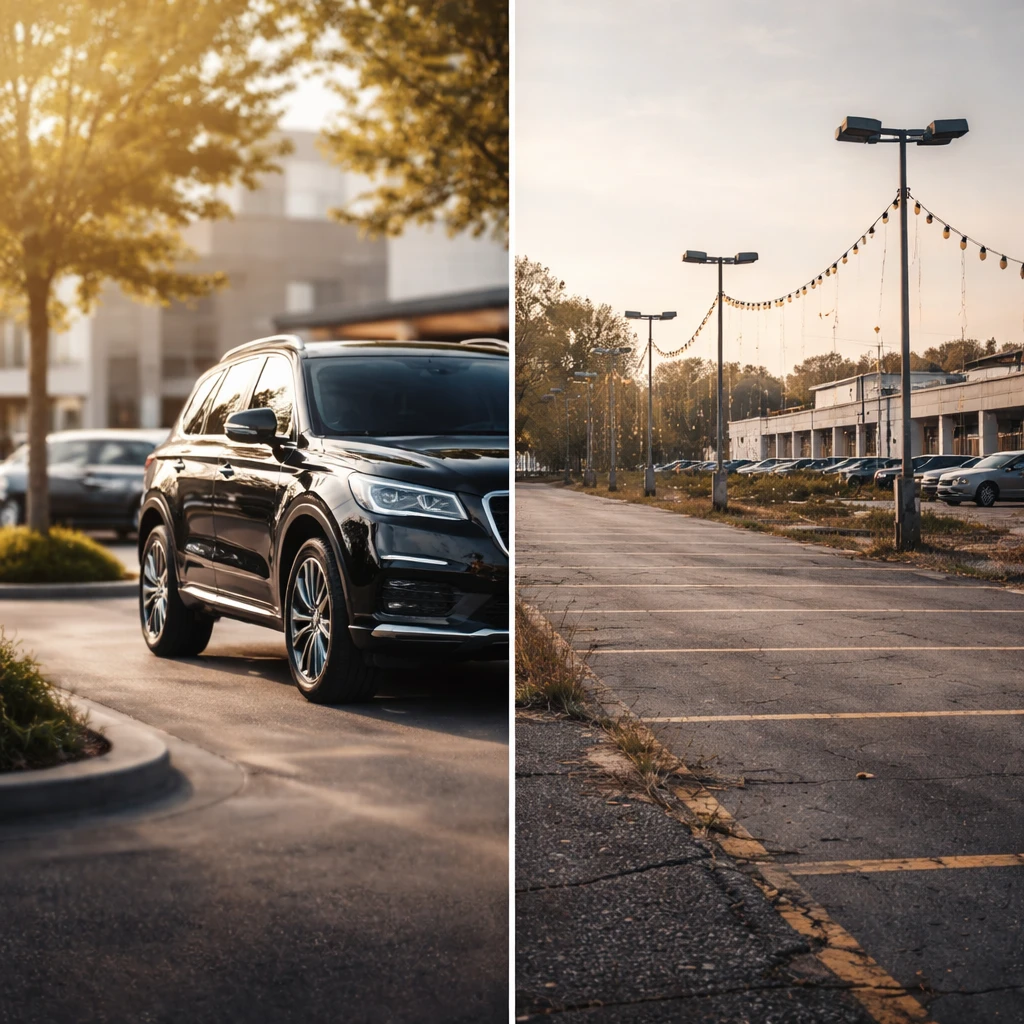

Across the United States in 2024, car buyers faced a diminishing selection of affordable vehicles. While early in the year there were three models under $20,000 available, by the end of 2024, that number shrank to zero. Industry pricing data published in December revealed striking new highs in average vehicle purchase costs. According to Kelley Blue Book, a division of Cox Automotive, the average price paid for a new car in December climbed to $50,326. Car buying platform Edmunds reported a slightly lower but still record-setting average of $49,466. These figures indicate that many consumers are routinely paying well over $50,000 for new cars, a trend anticipated to persist into the foreseeable future.
While rising sticker prices and consumer preference for larger and more expensive vehicles have contributed to this increase, a significant factor is the declining availability of budget-friendly new cars. For nearly two decades, the Nissan Versa provided an entry-level option, initially priced at about $12,550 when it was launched nearly 20 years ago. Nissan ceased production of the Versa in December 2024, marking the loss of one of the last remaining affordable new car models.
The scarcity of low-priced vehicles adds to the broader affordability crisis impacting many Americans. This dynamic is part of a growing divide in spending power, as evidenced by sustained sales growth in the luxury vehicle segment contrasting with reduced access to vehicles for lower-income buyers. Ivan Drury, director of insights at Edmunds.com, remarked that with the erosion of entry-level models, "virtually every new car on the road with dealer plates is effectively a luxury purchase." This observation underscores the economic polarization influencing automotive markets.
Since the onset of the COVID-19 pandemic, affordability concerns have intensified due to evolving market dynamics. Pandemic-related supply chain disruptions fundamentally reshaped pricing structures, elevating new car prices to levels that now represent a new normal, according to Erin Keating, executive analyst at Cox Automotive. The combination of constrained supply and production challenges contributed to this structural shift.
The decline in inexpensive vehicles has been marked by the disappearance of models priced under $20,000. The 2025 Nissan Versa, available for approximately $18,000 as recently as October 2024, was the last vehicle under this price point, according to Edmunds's Drury. Other affordable models that have been discontinued include the Mitsubishi Mirage, last seen in August 2024 and priced near $18,000, and the Kia Forte, which was phased out following the introduction of the more costly Kia K4 in March 2024.
Many of these budget vehicles were manufactured overseas in countries with lower labor costs. Increased tariffs imposed by the Trump administration, specifically a 25% tax on imported vehicles and parts, have elevated costs for automakers. Although many manufacturers absorbed the majority of these tariff-related expenses to avoid deterring customers with price hikes, the financial pressure likely contributed to the decision to end low-margin, budget models. The current least expensive new car on the market is the 2026 Hyundai Venue, priced at a manufacturer's suggested retail price of $20,550.
Models such as the Versa that may not generate high profit volumes tend to be cut, while some affordable options remain available. This shift provides opportunities for automakers like Toyota to attract cost-conscious buyers who prioritize lower prices over brand loyalty, as noted by industry experts.
The evolving market dynamics create challenges for dealerships concerned about the impact on lower-income consumers. Cox Automotive's Keating highlighted that increasing numbers of customers unable to afford new vehicles are turning to the used car market or choosing to prolong the lives of their existing vehicles. However, limited car ownership options create barriers for work, errands, and family responsibilities, particularly in regions without reliable public transit.
Data reveals a marked change in the income distribution of new car buyers. Last year, households earning less than $75,000 constituted only 26% of new car sales, down from 37% in 2019. In contrast, buyers with incomes exceeding $150,000 now account for over 40% of new car purchases, up from about 29% in 2019. This disparity illustrates the widening "K-shaped" trajectory of the economy, where wealthier Americans continue to increase spending, while middle- and lower-income households reduce expenditure due to economic pressures such as slower job growth, high debt levels, and inflation erosion.
Consumers are especially sensitive to monthly payment amounts rather than total purchase price. Tyson Jominy, senior vice president of data and analytics at J.D. Power, explained that a monthly payment of $500, which previously could cover a Toyota Highlander before the pandemic, now only suffices for a compact vehicle like the Toyota Corolla. Nevertheless, analysts anticipate a modest overall price decline of approximately $500 in 2026, suggesting potential improvements for consumer affordability moving forward.
As automakers compete for a shrinking pool of new vehicle buyers, increased incentives and discounts are expected, particularly to counter competition from one- and two-year-old used cars. Edmunds's Drury noted that as incentives accumulate on new cars, they tend to lead prices downward, potentially benefiting consumers and softening the blow of higher prices seen in recent years.
Despite these market shifts, affordability remains a pressing issue with significant implications for consumer access and transportation equity. The disappearance of low-cost new cars coupled with growing economic disparities has pronounced effects on the automotive market and the broader economy.