
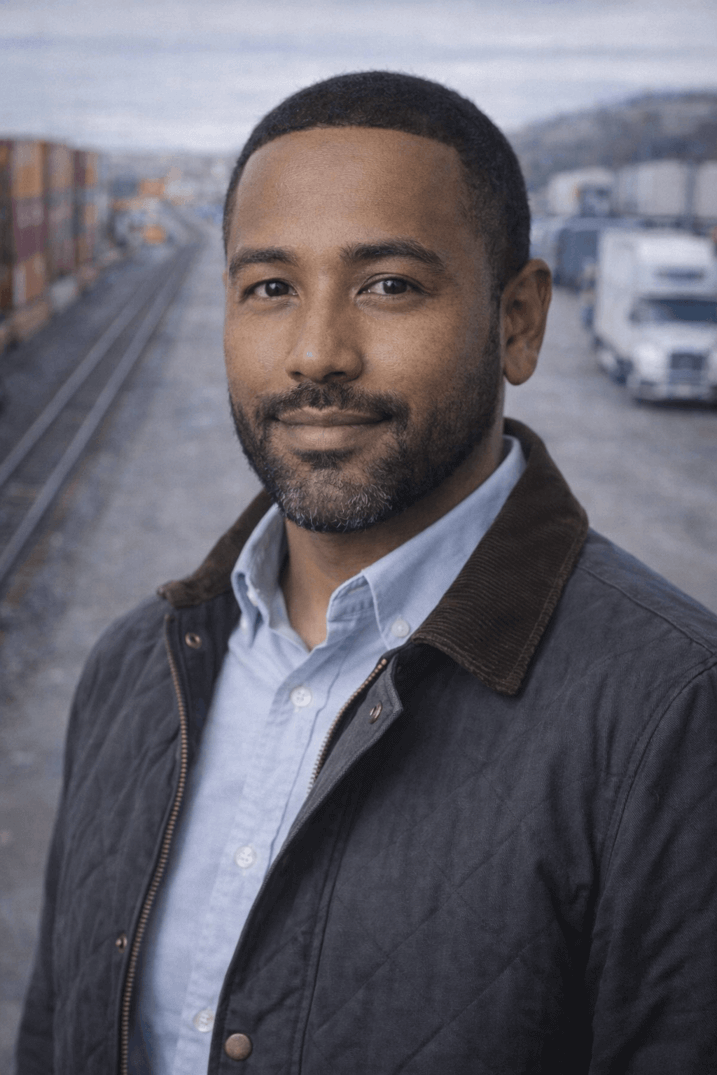
In an era marked by rapidly shifting media dynamics and the influence of social media amplification, the figure of Nick Shirley has drawn increasing attention. At just 23 years old, Shirley surged from relative obscurity to becoming a significant voice within conservative media circles, largely propelled by a viral video focused on alleged fraudulent activities at federally financed facilities in Minnesota.
Shirley's investigation, conducted alongside a local activist, scrutinized several Minnesota facilities purportedly operating as daycares but without any children in attendance. This revelation forms part of a broader conversation among right-wing commentators regarding what they perceive as systemic government assistance fraud, particularly within the Somali community residing in the state.
The trajectory of Shirley’s public profile underscores how individuals can now leverage social media gatekeepers and influential endorsements to achieve viral status, bypassing traditional journalistic pathways. Support and promotion from high-profile figures such as Elon Musk, Vice President JD Vance, and FBI Director Kash Patel significantly contributed to the diffusion of his video. On the platform X, the video has amassed over 116 million views, complemented by 1.6 million views on YouTube—figures that surpass many traditional news organizations’ benchmarks for success.
Contrary to conventional journalists grounded in editorial oversight and comprehensive fact-checking, Shirley and peer content creators often propose that their relative lack of institutional constraints enhances credibility and trustworthiness. At the same time, mainstream media audiences have witnessed declines over recent years, compounded by historic lows in public trust and political leaders framing journalists as adversaries, a dynamic that benefits alternative media voices.
Origins and Evolution of Nick Shirley’s Content
Nick Shirley's career in content creation has evolved markedly. Initially, he did not establish himself as a political journalist but rather produced what might be characterized as sensational or stunt-based videos. For instance, at the age of 16, Shirley captured footage of an unauthorized flight trip to New York with friends. Later, he posted prank-oriented content such as convincing TikTok users to audition for a fake Justin Bieber music video.
While these early efforts garnered moderate attention, it was only when Shirley shifted his focus toward political subjects that his viewership increased substantially. In December 2021, Shirley paused his digital content career to undertake a mission with the Church of Jesus Christ of Latter-day Saints in Santiago, Chile. Upon his return two years later, he pursued a new format concentrating exclusively on political matters, including border and immigration issues.
Videos addressing contested political topics attracted more substantial audiences, achieving milestones such as a first million-view count for a piece investigating the New York City migrant situation in February 2024. Among his most successful uploads is a video documenting an infiltration of Rio de Janeiro’s most dangerous gang, which has surpassed 4.3 million views. Currently, Shirley’s YouTube channel boasts over 1.21 million subscribers.
Within the conservative sphere, Shirley's prominence solidified by 2025, a progression marked by an invitation to a White House roundtable hosted by former President Donald Trump, discussing Antifa.
The Minnesota Fraud Video and Its Amplification
On December 26, a date characterized by limited news cycles, Shirley released the video highlighting fraudulent activities at Minnesota’s federally funded childcare centers. Despite achieving moderate YouTube traction, the video’s exposure on X exploded, fueled by shares from prominent conservative personalities including Nick Sortor, Gunther Eagleman, and Collin Rugg.
A significant leap in viewership occurred once Vice President JD Vance and X’s owner Elon Musk reposted the video on December 27. Musk, notably vocal on allegations regarding fraud within immigrant communities—including the Somali community—has reiterated this theme several times, framing such incidents as indicative of broader governmental inefficiencies, problematic immigration policies, and perceived failures of traditional media to report accurately.
The viral success has produced a substantial growth in Shirley’s own follower base on X, escalating from approximately 200,000 in early December to over 800,000 by December 29.
Context Surrounding Fraud Allegations in Minnesota
This is not the inaugural reporting of alleged childcare fraud in Minnesota. Prior investigations and media reports have documented similar claims, often involving facilities reportedly operating without children.
For example, Ibrahim Ali, managing partner of the Quality Learning Center (owned by his parents), clarified to local television station KARE that the footage in Shirley’s video was taken during a scheduled closure of the center. In addition, the local ABC affiliate KSTP Channel 5 highlighted over 60 active investigations into federally funded child care programs in Minnesota.
An October report included insights from an auditor and whistleblower alleging extensive fraud within the state's Child Care Assistance Program (CCAP). CBS News has also produced investigative pieces focusing on individuals of Somali descent implicated in alleged fraud schemes, highlighting misuse of funds allocated for child nutrition and welfare.
Earlier efforts by the Minnesota Department of Education targeting organizations like Feeding Our Future encountered legal pushback, including a lawsuit aimed at halting investigations on grounds of discrimination; this suit was dropped following federal raids on the nonprofit's premises.
While the FBI had been actively investigating these fraud concerns prior to Shirley’s viral video, the heightened public scrutiny prompted a statement from FBI Director Kash Patel, who noted an increase in personnel and resources allocated specifically to dismantle such schemes.
Implications of the Shifting Media Landscape
The swift rise of figures like Nick Shirley represents a broader transformation in how media influence is constructed and consumed. The confluence of targeted political messaging, social media amplification, and audience disenchantment with traditional media has enabled new voices with alternative formats and fewer editorial constraints to capture significant attention.
Though Shirley’s viral success contributes to a renewed focus on specific allegations in Minnesota, it also emphasizes the evolving challenges in navigating contemporary news ecosystems, where virality and influencer endorsements can often supersede traditional journalistic standards in shaping public dialogues.