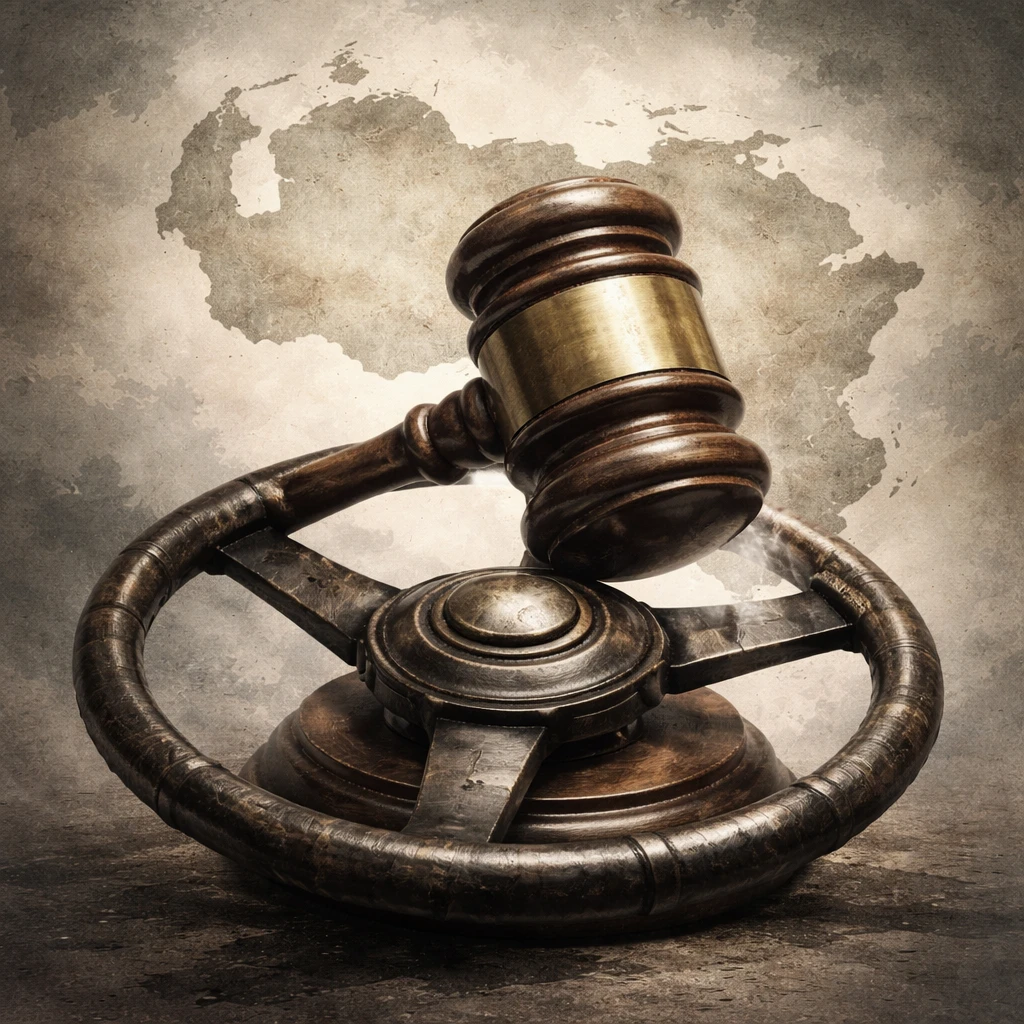

Nicolás Maduro’s trajectory from his early days as a union-affiliated bus driver to becoming Venezuela’s president highlights a remarkable political ascent within the country's ruling party. Throughout his career, Maduro held several key roles, including positions as a lawmaker and as president of the National Assembly, before ultimately assuming the nation’s highest office.
His presidency has been dominated by a severe socio-political and economic crisis that has devastated the country. Millions of Venezuelans have been thrust into poverty, and a significant migratory outflow has ensued, alongside the imprisonment of numerous individuals critical of the government. These events have painted a picture of sustained turmoil under Maduro’s leadership.
Despite multiple challenges, Maduro maintained his grip on power through a turbulent period. His survival of an assassination attempt in 2018 was followed by a disputed presidential election victory in the same year, which further intensified the controversies surrounding his administration.
International scrutiny of Maduro’s regime has been persistently high. Under the Trump administration, the United States imposed economic sanctions targeted at Maduro's government. Concurrently, the International Criminal Court began conducting investigations into allegations of crimes against humanity, spotlighting the regime’s purported human rights violations.
In a strategic move, Maduro engaged in negotiations which resulted in key concessions from the United States. Among these were the release of a close ally and a sanctions waiver permitting Chevron to resume the production and exportation of Venezuelan crude oil. These developments provided Maduro's government with essential revenue streams amidst dire economic conditions.
Recently, Maduro’s detention by US authorities represents a pivotal moment in Venezuela’s political landscape. According to statements from the U.S. Attorney General, Maduro and his wife are expected to face charges after an indictment issued in New York. This action follows months of intensified pressure by the United States on Maduro’s regime.
The arrest of Maduro could have significant consequences for the country’s future political arrangement. With ongoing external pressure, his capture might open avenues for political transition within Venezuela, potentially altering the socio-political dynamics that have prevailed for years.
Furthermore, the legal proceedings against Maduro and his wife in New York are likely to bring more detailed scrutiny to accusations of human rights infractions and economic mismanagement attributed to their governance. Such judicial actions could provide greater clarity on these serious allegations.
As these events continue to evolve, the global community remains attentive to the impact of Maduro’s detention on Venezuela’s internal affairs and its broader socio-political environment. For Maduro, this moment signifies the commencement of an uncertain and critical phase of his political fate.