
In the current competitive landscape of the pizza sector, major chains other than Domino's are struggling to maintain growth and relevance. Notably, Pizza Hut has been grappling with sales decreases over eight successive quarters, and its future ownership is uncertain. Papa Johns, similarly challenged, has embarked on a comprehensive turnaround strategy to reverse negative trends following a challenging two-year period characterized by declining customer engagement.
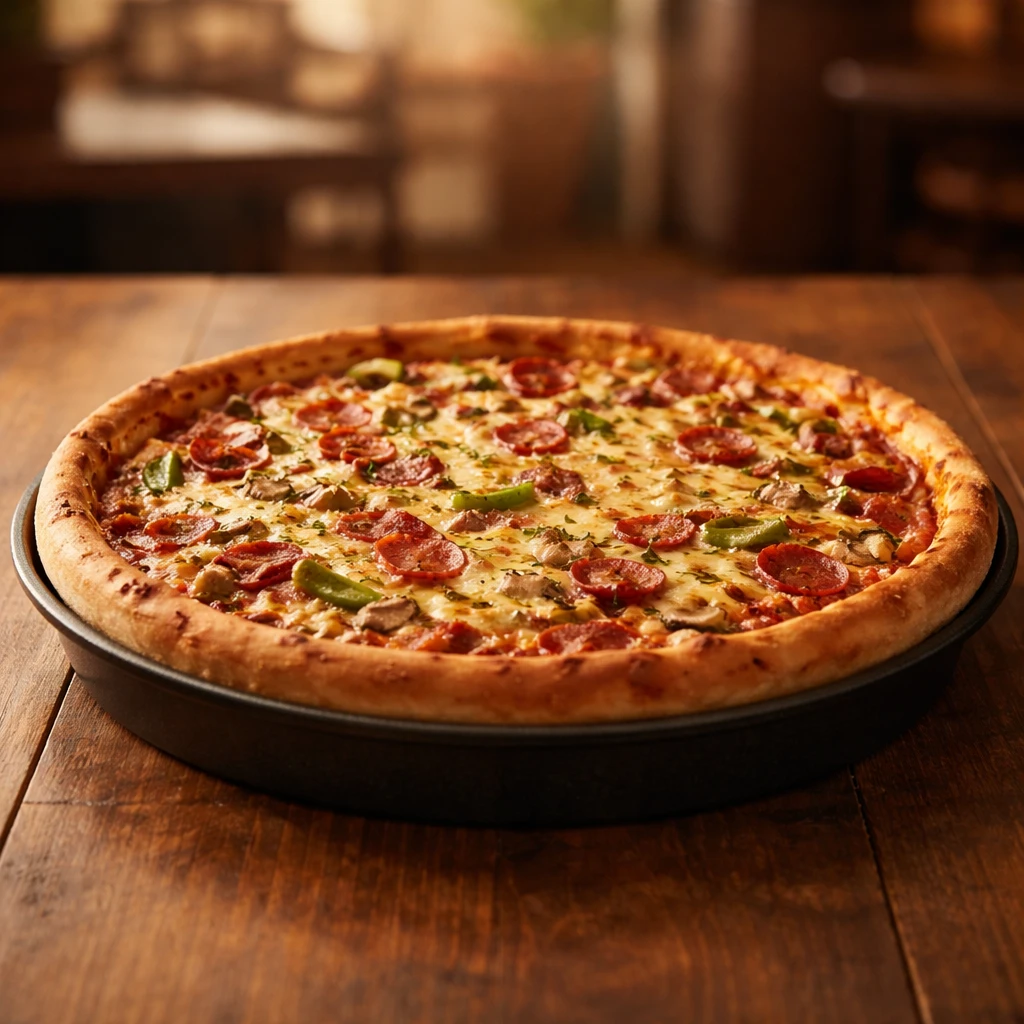
A significant component of Papa Johns' recovery effort is the reintroduction of the Pan Pizza, a product that has been absent from their menu for approximately ten years. This move reflects an attempt to tap into consumers' sense of nostalgia and offer something distinct within a crowded market.
Robert Byrne, senior director of consumer research at Technomic, observes that the pandemic contributed to a saturation point where many consumers experienced pizza fatigue. Concurrently, the evolving preferences particularly of younger demographics, have sparked interest in alternative cuisines such as fried chicken and specialty beverages. This shift diverts attention from pizza as the default choice for delivery meals.
Additionally, the proliferation of third-party delivery platforms like DoorDash and Uber Eats has transformed the competitive environment. These apps enable consumers to explore and order from diverse food categories easily, further fragmenting the pizza market.
These trends have constrained growth prospects for the primary pizza chains. Industry sales projections indicate flat performance this year, with expectations for the market size to remain steady at approximately $31 billion into 2025, per Technomic data. In this environment, price plays a more decisive role in consumer decision-making than the intrinsic quality of the pizza, even though chains like Papa Johns assert superior product offerings and Pizza Hut presents more topping options.
Elevated prices resulting from rising operational costs over recent years have compounded challenges. Byrne highlights that consumers tend to gravitate towards lower-priced alternatives, which limits the ability of higher-priced offerings to gain market share. Domino's has responded effectively to these dynamics; for example, its $9.99 "Best Deal Ever" promotion last summer contributed to a 5.4% rise in sales in its latest quarter.
Papa Johns' difficulties extend beyond pricing concerns, with Byrne attributing some challenges to a lack of innovation in the product lineup. In 2024, the company appointed Todd Penegor, a former executive at Wendy's, as CEO to spearhead the transformation. Penegor's initial actions focused on simplifying the menu by eliminating non-core items and improving the cooking process through oven adjustments to enhance product consistency.
The latest initiative under Penegor's leadership is the launch of the Pan Pizza, announced to be available from February 3. This 12-inch pizza features a combination of six cheeses extending to the edges and accommodates up to seven toppings. Priced at $11.99, it aims to reconnect with customers who have expressed dissatisfaction with competitors’ interpretations of pan pizza.
Shivram Vaideeswaran, Papa Johns' vice president of marketing, emphasized the company's goal to not merely offer a competitive pizza but to be recognized as the best pan pizza in the category. The return of this menu item is intended to provide both new and existing patrons a compelling reason to choose Papa Johns over other brands.
Despite these efforts, the most recent quarterly financials reveal a 3% decline in Papa Johns’ sales. Additionally, the frequency of customer visits has dropped by nearly 6% year-over-year, underscoring the urgency for effective product innovation and marketing strategies.
Byrne acknowledges that the introduction of a new pizza variety could potentially boost sales and increase customer visits if executed well. However, he points out that Papa Johns also needs to address the relative underperformance of its side dishes and appetizers, which reportedly lag behind competitors in terms of consumer purchase frequency.
From a consumer perspective, new pizzas often come with a price premium, introducing a higher perceived risk in trying the product. In contrast, less expensive sides and appetizers represent a lower-risk opportunity for customers to reengage with the brand, which may be a strategic area for Papa Johns to consider further development.