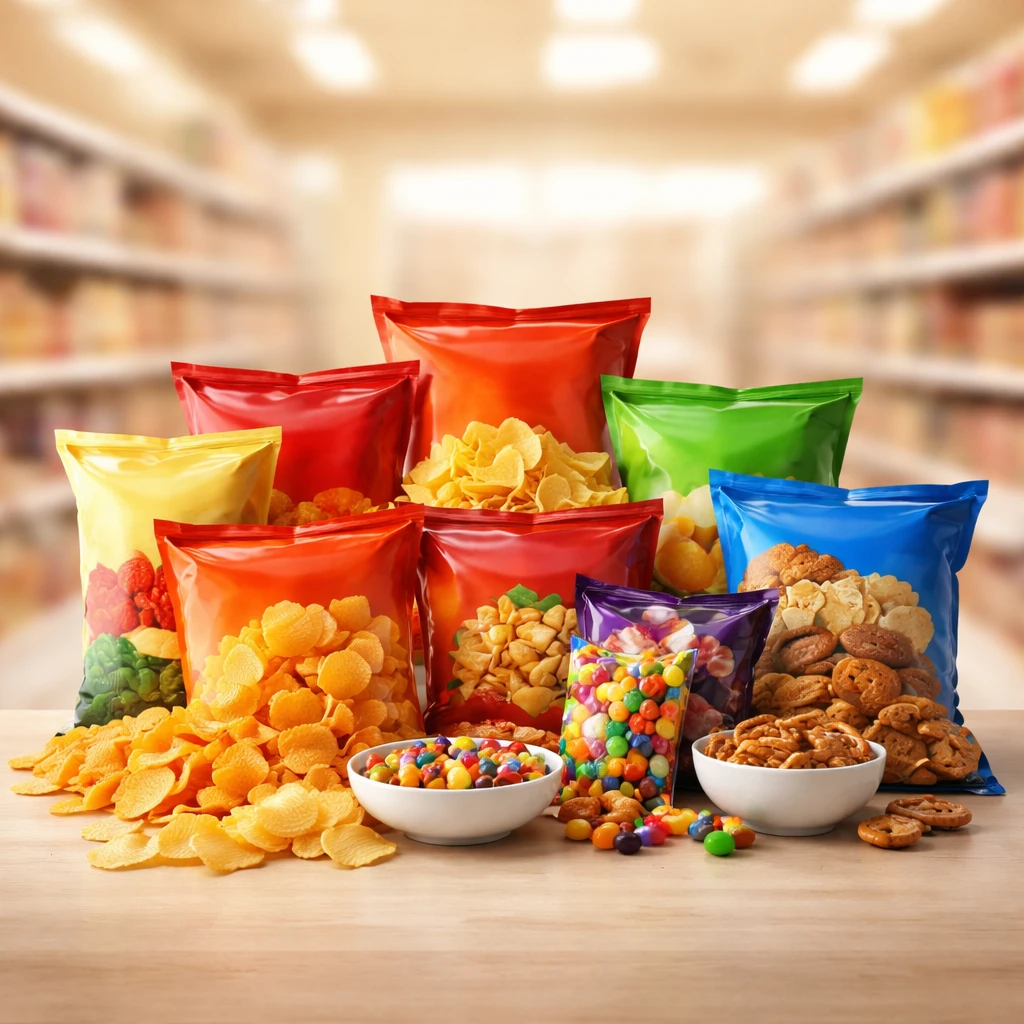

PepsiCo, a dominant force in the snack food industry with well-known brands such as Doritos, Lay's, and Cheetos, has announced a significant reduction in the suggested retail prices of its snack offerings. The company is implementing a 15% price cut, a move publicly attributed to consumer feedback signaling that snack products had become unaffordable for many shoppers.
The announcement came from Rachel Ferdinando, CEO of PepsiCo Foods US, who emphasized that over the past year, the company has actively engaged with consumers to understand their concerns. She remarked, "Consumers have expressed feeling the financial strain," and emphasized that the decision to lower prices underlines PepsiCo's commitment to alleviating some of the economic pressure faced by their customers.
This price reduction will begin to be reflected on store shelves within the United States starting this week. The timing is strategically aligned with the upcoming Super Bowl on Sunday, an event historically associated with one of the highest spikes in snack food sales nationwide. Products will feature new labeling to promote the lowered prices, aiming to attract budget-conscious consumers during this critical sales period.
The theme of affordability is particularly pertinent as grocery stores have witnessed a gradual escalation in overall food prices in recent years. This trend has exerted pressure on brand-name companies like PepsiCo, especially as shoppers increasingly shift their purchasing preferences toward less expensive options offered by store brands, which have gained traction as cost-saving alternatives.
Despite PepsiCo's suggested retail price reduction, the company acknowledged that actual retail pricing decisions reside with individual stores. Consequently, shoppers could observe price variations depending on the retailer, with the possibility of some stores offering even steeper discounts. To date, major grocery chains including Walmart, Kroger, and Target have been contacted for statements regarding the price adjustments.
This pricing strategy also follows a recent agreement with Elliott Management, an activist investor holding a substantial $4 billion stake in PepsiCo. Elliott Management has been actively involved in demanding strategic changes designed to enhance business performance. The commitment to moderate prices formed a core component of this collaborative turnaround plan.
Within the latest earnings release, PepsiCo cited testing of price reductions as a measure intended to boost the "purchase frequency" of its snack products. The company reported that consumer responses during these test phases have shown enthusiasm for the lower prices, signifying potential for increased demand.
However, recent quarterly results indicated sluggish performance in PepsiCo’s North American snack segment, with volume declining by 1%. This underperformance underscores the necessity of addressing competitive and consumer challenges actively.
Alongside the pricing initiative, PepsiCo is broadening its product portfolio by introducing innovative options tailored to emerging consumer trends. These include Doritos variants enriched with protein, popcorn containing added fiber, and Lay’s chips made using avocado and olive oils. These new lines aim to capitalize on health and wellness trends while complementing the pricing adjustments to invigorate brand appeal and sales.
Overall, PepsiCo's pricing recalibration and product innovation represent a multi-pronged approach to combat consumer price sensitivity, address competitive pressures from private labels, and respond to activist investor directives. The forthcoming period, notably around the Super Bowl season, will provide critical insights into the effectiveness of these strategies in revitalizing snack sales and consumer engagement.