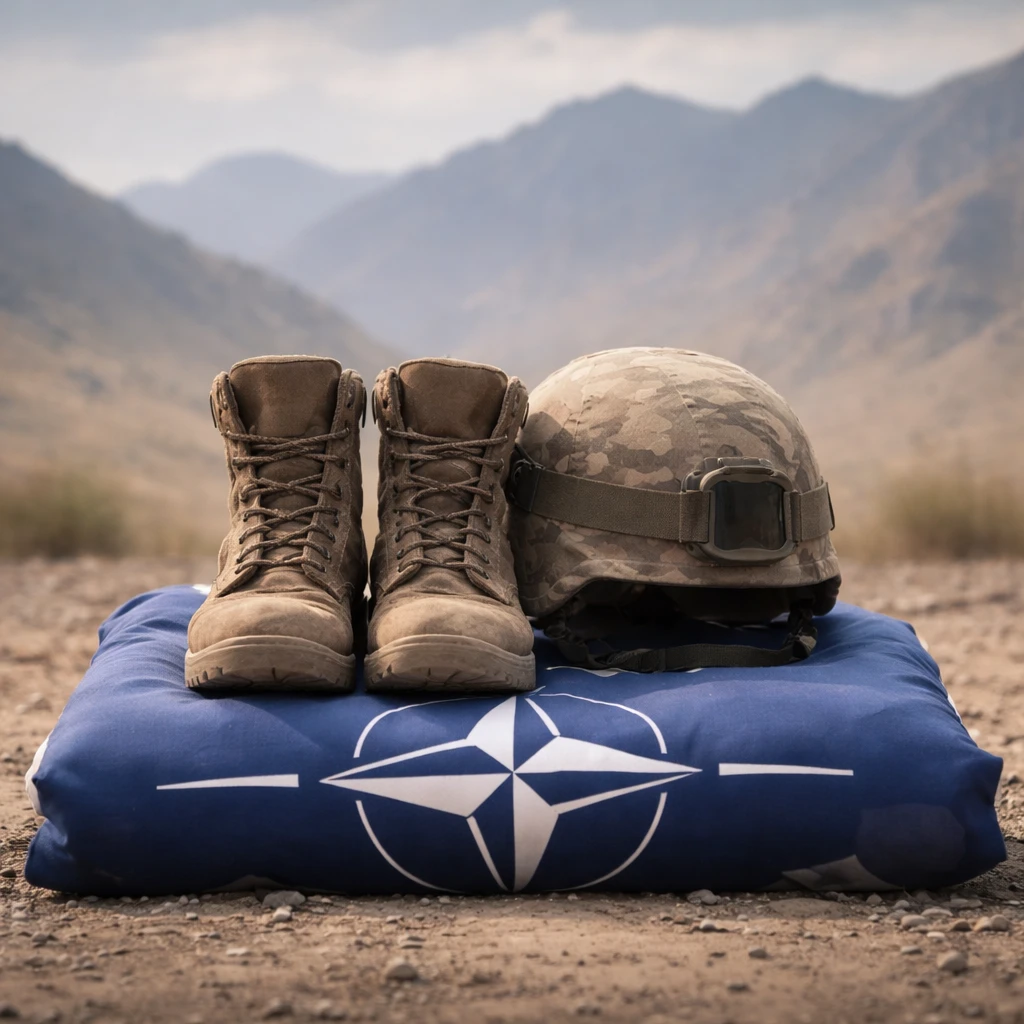

In a recent development, notable British figures Prince Harry and Prime Minister Keir Starmer voiced strong objections to statements made by former US President Donald Trump concerning NATO forces' involvement in Afghanistan. Trump's commentary suggested that NATO troops maintained a less engaged posture during the conflict, a portrayal that prompted firm rebuttals emphasizing the respect and truthful recognition deserved by service members.
Prince Harry, Duke of Sussex, who has an extensive military background including nearly ten years of service in the British Army and deployments in Afghanistan, issued a statement reflecting his perspective on the matter. Drawing upon his personal experiences, Harry underscored the profound sacrifices made by NATO troops throughout their Afghanistan mission. He noted, "I served there. I made lifelong friends there. And I lost friends there." He further highlighted the human cost, referencing the United Kingdom's loss of 457 service personnel in the conflict.
This interaction adds to the existing tensions between Prince Harry and Donald Trump, a dynamic previously marked by Trump's criticism of the prince's decision to withdraw from royal duties and other personal remarks. Notably, Trump had suggested potential deportation measures against Harry in the United States based on his disclosures about past drug use, intensifying their public discord.
Complementing Prince Harry's response, Prime Minister Keir Starmer addressed the former president's remarks during a press briefing, describing them as "insulting and frankly appalling." Starmer expressed concern about the impact of such comments on the families and loved ones of those who were killed or injured during the Afghan campaign, reiterating respect for the 457 British military personnel who lost their lives.
In his address, Starmer shared a video clip via the social media platform X to memorialize those who served in Afghanistan, affirming, "We will never forget the sacrifices of those who served in Afghanistan." When questioned about whether an apology from Trump would be appropriate, the Prime Minister conveyed that he would personally issue an apology if he had made similar statements, underlining the seriousness with which he views the matter.
Former President Trump's contentious remarks were made during a Fox Business interview with Maria Bartiromo. In this discussion, Trump questioned the reliability and commitment of NATO allies, casting doubt on their willingness to come to the United States' aid if needed. He stated, "I've always said, will they be there if we ever needed them. And that's really the ultimate test and I'm not sure of that. I know that we would have been there or we would be there, but will they be there?"
These comments notably challenge the strength and cohesion of the NATO alliance, raising questions about the mutual obligations and support mechanisms among member states, especially regarding Afghanistan. The backlash from UK representatives highlights the sensitivities surrounding military service recognition and alliance solidarity.
Overall, this exchange illustrates the complexities inherent in international military partnerships and the potent influence of public figures' statements on these perceptions. The criticism from Prince Harry and Prime Minister Starmer serves as a defense of the honorable sacrifices made by NATO troops and an insistence on acknowledging these contributions with accuracy and respect.