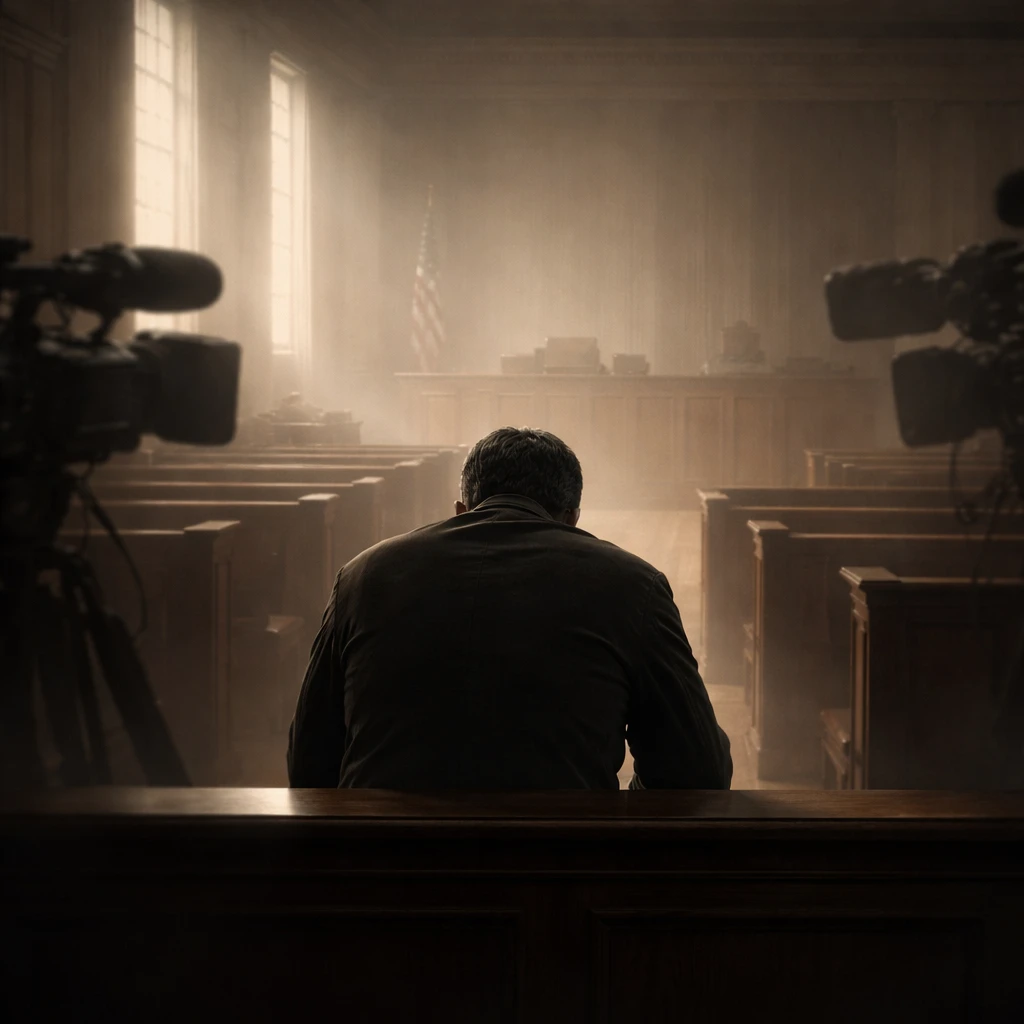

Prince Harry returned from the United States and delivered compelling testimony on Wednesday in London’s High Court, as part of an ongoing civil lawsuit alleging privacy violations by Associated Newspapers Limited, the publisher responsible for the Daily Mail. The Duke of Sussex, 41, appeared visibly emotional during his session, speaking candidly about the distress caused to him and especially his wife by invasive tabloid reporting. He concluded his evidence by asserting that these media practices have "made my wife's life an absolute misery."
The proceedings, which began earlier this week and are expected to extend through several months, examine whether the publisher utilized unlawful methods such as deployment of private investigators for voicemail interception, phone tapping, and "blagging" confidential personal records through deceptive means. Harry is among seven prominent UK figures, including Elton John, David Furness, and Elizabeth Hurley, who have jointly accused the tabloid publisher of these intrusive tactics.
Arriving at the Royal Courts of Justice at about 11 a.m. local time, the duke greeted waiting supporters with a smile and wave before taking his place behind legal counsel alongside other claimants. This court appearance marks his second in a span of three years, having previously testified in another high-profile legal matter related to privacy. Notably, in 2023, he became the first senior British royal to testify in court in over 130 years.
Prince Harry’s lawsuit focuses on 14 particular Daily Mail articles written between 2001 and 2013, mostly authored by two journalists whose names have been documented in court filings. His legal team contends these stories caused "great distress" and were devoid of "any meritorious public interest." According to Harry and his advocates, the information in those pieces was acquired through unethical and illegal means designed to exploit his private life for competitive tabloid gain.
In his witness statement, Harry reflected on a long-standing fraught relationship with the press, acknowledging his acceptance of its presence due to familial expectations within the institution of the monarchy. He described the media’s conduct towards him as an "endless pursuit, a campaign, an obsession" with placing his life under constant scrutiny. This relentless surveillance, he said, sought to outdo rival tabloids at his expense, pushing him to paranoid extremes and isolation, and implicitly encouraging harmful coping mechanisms to boost newspaper sales.
The duke emphasized that the lawsuit is motivated by a determination "to hold Associated accountable, for everyone’s sake," asserting that the case serves the "public's interest" in curbing such intrusive media behavior.
During cross-examination, legal counsel for Associated Newspapers Limited, Antony White, questioned Harry on aspects of his social interactions, suggesting some journalists might have obtained information by mingling within his social circles, considered "leaky" by the defense. Harry contested these claims, denying friendships with journalists and stating that such personal information cited in stories was not discussed within his circle.
White also challenged Harry’s decision not to lodge complaints at the time those articles were published. The duke responded that he was constrained by royal protocol, referring to the guiding principle, "never complain, never explain," which effectively prevented him from raising objections publicly when the stories appeared.
Concluding his testimony on Wednesday afternoon, Harry displayed visible emotion while describing the ongoing trauma of litigating the case. He lamented the ordeal, stating it is "fundamentally wrong to put all of us through this again when all we were asking for was an apology and some accountability." He highlighted the unintended consequences of the legal fight, noting that by stepping forward and speaking out, he and his wife have endured significant personal hardship, with the media’s actions having "made my wife’s life an absolute misery."
Previously, Associated Newspapers Limited has vehemently denied the plaintiffs’ allegations, maintaining that journalists conducted their reporting through lawful and legitimate sources. The publisher has also asserted that the claims brought forward were filed beyond the allowable timeframe.
During earlier court hearings, counsel for the publisher depicted the claims as "threadbare," contending that journalists have provided a coherent rationale for their sourcing practices. White described the references to payments made to private investigators as "clutching at straws" and lacking firm evidential grounding, dismissing the plaintiffs’ case as insufficiently substantiated.
Prince Harry has long confronted tabloid media over their treatment of his private affairs, leading to multiple legal disputes. In previous confrontations, he has achieved successful outcomes against major publishers such as Rupert Murdoch’s News Group Newspapers and Mirror Group Newspapers, securing apologies, acknowledgments of wrongdoing, and damages. His pursuit of this particular case represents a continuation of efforts aimed at challenging media practices perceived as invasive and damaging to personal privacy and dignity.