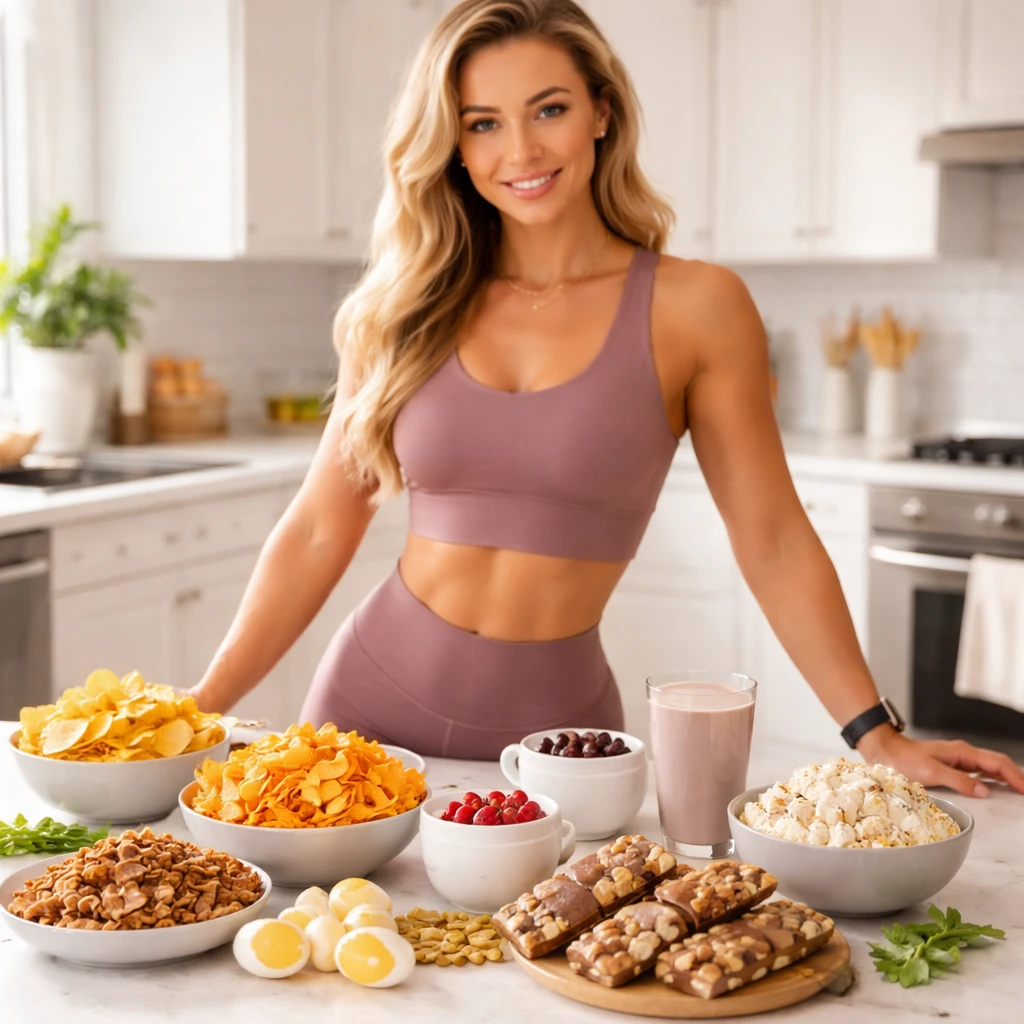

The landscape of protein snacks has transformed dramatically, largely propelled by a surge in female consumers who seek products that support strength, energy, and overall metabolic health. Historically, protein products were linked with stereotypical "gym bro" cultures, characterized by obscure powders and supplements. However, that perception is shifting as women embrace strength training and higher-protein diets, fueling unprecedented growth in the protein snack sector.
Today's protein snacks span an extensive range, including meat sticks, chicken chips, popcorn, protein-enriched milk, shakes, and even ice cream. This expansion signifies a move away from niche categories toward mainstream acceptance and popularity. Brands aiming to capitalize on this uptake have introduced "clean ingredient" and "better-for-you" snack options tailored specifically to the preferences of female consumers.
Stacey Hartnett, senior vice president of marketing at Chomps, highlights a crucial consumer trend: "The snacking and broader consumer packaged goods (CPG) industries have undergone a significant shift, driven by consumers' focus on functional nutrition." Backed by research, Hartnett notes that 27% of women feel they do not consume sufficient protein, a substantially higher figure than that seen across the general population. This insight has guided brands like Chomps to cater more directly to women. Chomps' meat sticks, which are available as single-serving snacks at retail counters and in value-sized packs at outlets such as Costco, attract over 70% female purchasers. Many of these consumers are new entrants to jerky-style snacks. Notably, new mothers breastfeeding find the convenient, individual packaging practical for quick nutrition on the go.
Similarly, Wilde, a company specializing in protein-rich chicken chips made from chicken broth, egg whites, and bone broth, confirms this consumer pattern. Carmen Fadel, Wilde's vice president of marketing, remarks, "Women are playing an increasingly influential role in shaping the protein snacking category." Wilde's crisps, comparable in calories to traditional baked potato chips but offering 10 grams of protein per serving, boast a customer base with a female composition exceeding 70%.
The protein snack momentum is not confined solely to traditional packaged goods. Major foodservice brands have launched protein-enhanced offerings targeting this demographic shift. Starbucks introduced protein milks and cold foams to its menu, and Chipotle launched its inaugural snack product—a high-protein cup featuring a choice between adobo chicken or steak. Such adaptations underscore the evolving demand for protein within not only grocery but also quick-service channels.
The driving force behind these changing consumption habits among women can be traced to a growing engagement with strength training and a holistic health focus. Online search data reveal that interest in terms like "muscle mommy" and "strength training women" has increased in the current year, illustrating that strength-oriented fitness is no longer a peripheral pursuit. Social media platforms such as TikTok showcase communities where women share "high protein grocery hauls" and evaluate snacks based on factors including macronutrient content and ingredient transparency, beyond mere taste.
Moreover, the popularity of GLP-1 medications for weight loss, which necessitate users to prioritize sufficient dietary protein to preserve nutritional status, has further stimulated demand for protein snacks. This interaction has opened new market channels and expanded consumer bases for protein-focused products.
Market research firm Mordor Intelligence projects substantial growth in the protein snack market, estimating its value to reach $32.01 billion within the current year and escalating to $46.34 billion by 2030. Industry insiders are adapting their approaches accordingly. Jessie Zettler, executive creative director at the brand and packaging agency PV&COHO, emphasizes the importance of recalibrating brand relevance toward women and simplifying shopping experiences to better accommodate female consumers.
Women command significant influence in household purchasing decisions, and their collective preferences can realign market offerings. Case in point: brands like Stanley transformed their reach by shifting the marketing narrative of their Quencher tumbler from a functional outdoor product targeting men to a lifestyle accessory appealing largely to women. Similarly, fitness-centered beverage brands Celsius and Alani Nu have captured female-dominated market segments by aligning their messaging with women's fitness cultures, contrasting with the historically male-oriented branding of legacy energy drinks such as Monster and Red Bull.
While the functional composition of protein snacks targeted at women does not markedly differ from those aimed at men, packaging and presentation have evolved to resonate with female buyers. Zettler describes this shift: "Embracing softer, brighter color schemes coupled with modern, wellness-first packaging and replacing macho jargon with 'clean' ingredient language unlocks a feminine appeal." Michael Della Penna, chief strategy officer at digital advertising research firm InMarket, notes the trend toward "simple, minimalist, clean designs complemented by clear messaging and an emphasis on product benefits."
Looking ahead, experts forecast that this trend toward protein-enhanced snacks is merely the beginning of a broader transformation in the food industry. Jean-Pierre Lacroix, president of brand strategy firm SLD, views current consumer habits as undergoing a step change, gravitating toward healthier foods with explicit functional benefits. He posits that protein-enriched convenience foods are positioned as foundational elements supporting women's lifestyles by aiding muscle replenishment and maintenance.
Lacroix projects that future developments will extend to foods bioengineered to correspond to individual DNA profiles, enabling longevity-focused consumption patterns. "The food industry is conditioning consumers to integrate health-beneficial products into daily life," he says, "which will ultimately lead to acceptance of personalized, bioengineered nutrition as the norm." This evolving paradigm signals a substantial redefinition of the snack aisle and consumer expectations in the years to come.