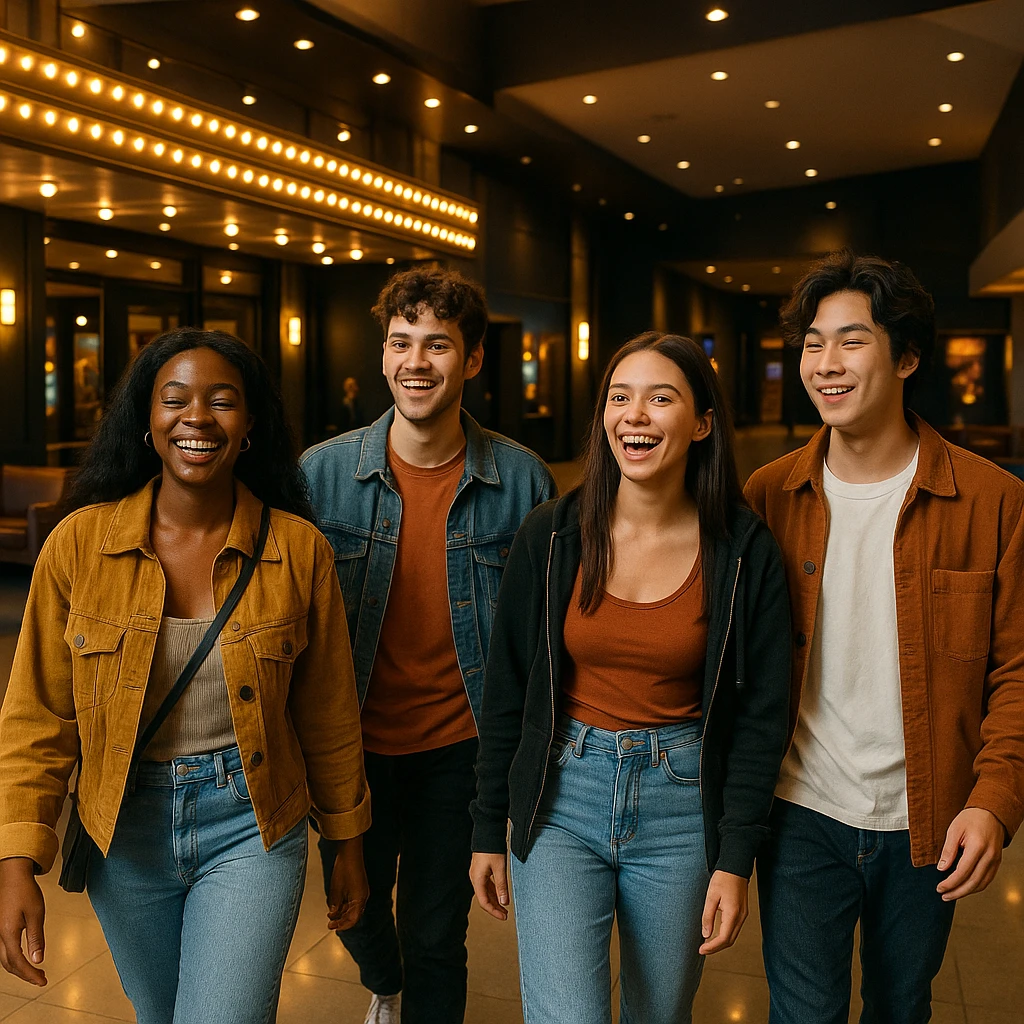

The traditional movie theater experience, once considered endangered by the explosion of streaming platforms, is witnessing an unexpected revival among younger audiences, particularly Generation Z. Far from fading into irrelevance, cinema attendance is increasingly favored as a venue for immersive, communal entertainment, bolstered by subscription models and a yearning for distraction-free social interaction.
Nicole Kidman, a prominent figure in the film industry, captured this enduring allure succinctly: "we come to this place for magic." This sense of enchantment continues to draw viewers in droves. For instance, in 2025 alone, I personally attended more than 34 films on the big screen, leveraging the AMC A-List subscription, which offers a convenient and cost-effective way to enjoy multiple movies. Though some tickets were secured for me by friends and family, my cinema calendar featured diverse selections such as "Sinners," "One Battle After Another," and "Kiss of the Spider Woman." While "Jurassic World Rebirth" did not meet all expectations, the experience was notably enhanced by Dolby surround sound and the grandeur of the large screen format.
While my frequency pales in comparison to more seasoned moviegoers within the A-List community, my experience is part of a broader cultural shift. Persistent high movie ticket prices, a craving for shared, immersive activities, and a desire to engage in phone-free social spaces collectively seem to be fostering a modest resurgence in cinema attendance.
Discussions with fellow AMC A-List members reveal that many turn to films not only for entertainment but also as a means of community engagement or personal routine replacement. One member articulated that movies had supplanted previous social habits like drinking, providing a healthier and more consistent activity. Another highlighted the benefit of a distraction-free environment to enjoy with their spouse, emphasizing the value of meaningful, undistracted companionship.
One of the subscription model’s key features is the facilitation of social outings without the complications of coordinating group logistics. The ability to add trusted friends to one’s AMC "entourage" and book movie tickets on their behalf streamlines the planning process, allowing for flexible, spontaneous engagements without extra fees or extensive communication.
Data evidence underscores this trend. A December 2025 report released by Cinema United indicates a 25% year-over-year increase in moviegoing among Gen Z. Average attendance rose to 6.1 movies watched per person in 2025, up from 4.9 in the previous year. Additionally, 41% reported visiting theaters at least six times annually, a significant jump from 31% just three years prior. This clear upward trajectory in cinema attendance suggests a reemergence of theatrical film interest among younger demographics.
The appeal of movie subscriptions is particularly salient. AMC A-List, for example, costs subscribers around $20 to $30 monthly for access to four films per week— a ceiling that few reach personally yet stands as an inviting offer for avid viewers. The cinema loyalty segment in North America expanded by 15% from 2024, indicating increased consumer confidence in these programs. Subscription pricing effectively guarantees access to a diverse slate of recent releases, enhancing the economic feasibility of regular moviegoing, especially when juxtaposed with increasingly volatile streaming options and content availability.
The in-person theater framework overcomes some streaming challenges such as content removals and subscription cancellations due to rising costs. The communal physical experience negates distractions common in home viewing and bolsters the entertainment’s perceived value. Concurrent facility enhancements including upgraded concessions and auditorium refurbishments, factored with strategic partnerships and loyalty incentives, position the film exhibition industry favorably for continued financial growth.
According to an IBISWorld industry analysis, these enhancements are anticipated to propel North American theater revenues from $16 billion in 2025 to an estimated $17.3 billion by 2030. Given overall entertainment inflation, subscriptions and experiential investments serve as competitive differentiators in an evolving market.
From a consumer standpoint, the subscription model delivers considerable value in an inflationary environment. For example, in New York City, where I reside, a single non-subscription movie ticket can cost upwards of $30, nearly equivalent to the monthly subscription fee. This affordability is notable when compared synergistically against other local leisure expenditures such as dining or nightlife, where prices remain elevated.
A casual meal commonly costs between $30 and $50, while cocktail and wine prices are notably high, with only occasional happy hours offering drink prices under $10. Even typically economical options like the iconic New York dollar pizza slice have largely disappeared. Against this backdrop, regular moviegoing under a subscription appears financially judicious, offering predictable entertainment and social interaction at a manageable cost.
Anticipated high-profile releases, including Christopher Nolan’s "The Odyssey," optimized for IMAX viewing, reinforce projected theater attendance growth. Demonstrating commitment to this trend, I augmented my AMC A-List membership with a yearly Popcorn Pass subscription, securing 50% discounts on large popcorn to complement my movie experiences consistently.
This momentum suggests sustained enthusiasm for theater attendance amid evolving consumption patterns. For aficionados contemplating their entertainment habits for the upcoming year, the blend of nostalgic allure and practical benefits highlights moviegoing as a compelling choice.
If you are contemplating increased movie expenditures or have already embraced frequent theater visits, or simply prefer analog leisure activities, your engagement nuances this cultural shift. Interested parties may direct insights or inquiries to jkaplan@businessinsider.com.