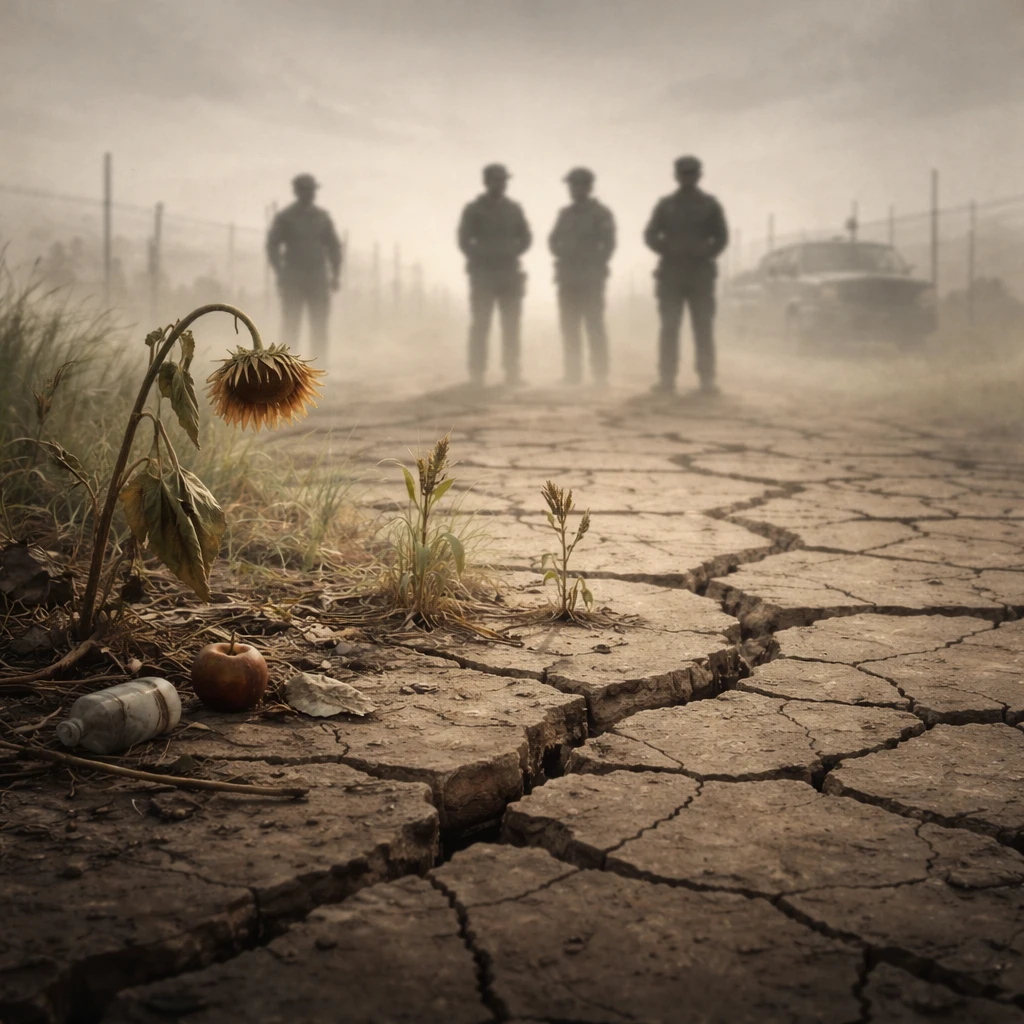

Former U.S. Labor Secretary Robert Reich has raised serious concerns about the consequences of the One Big Beautiful Bill Act, recently enacted with Republican backing. In a message shared on the social media platform X, Reich described the legislation as a "big ugly nightmare" that threatens widespread harm to American citizens beginning in 2024 and urged voters to keep these implications in mind as they approach the 2026 midterm elections.
Reich's critique centers on the bill's provisions, which he argues disproportionately benefit the ultra-wealthy through tax reductions, while imposing hardships on the broader population. He emphasized that these effects are not distant but will emerge within the current year.
Historic Cuts to Health Coverage
A pivotal element of Reich's warning pertains to the bill's deep reductions in healthcare funding, which he describes as the most substantial in United States history. According to his assessment, approximately 15 million Americans are expected to lose their health insurance within the coming decade as a direct consequence.
This loss of coverage will primarily affect two groups: nearly half of those impacted could see their Medicaid benefits terminated, and others will find premiums for Affordable Care Act (ACA) plans rising as subsidies phase out. The affordability of health plans under the ACA is crucial for many; without continued financial assistance, a significant segment may be priced out of coverage.
Reductions in Nutritional Aid and Economic Consequences
Reich also draws attention to sizable cuts to the Supplemental Nutrition Assistance Program (SNAP), which provides food assistance to millions. The legislation proposes removing benefits from roughly 4 million individuals, including about 1 million children. Such reductions threaten not only the affected families but also the economic ecosystems reliant on SNAP funding.
Grocery stores, particularly those in rural communities, and local farmers could experience notable declines in revenue. Reich estimates that sales linked to SNAP could fall by nearly $24 billion over the following decade. The cascading effects may result in growing strain on food banks and jeopardize the viability of small agricultural operations. Emphasizing the broader economic importance, Reich notes that food assistance programs like SNAP support around 400,000 jobs, illustrating how cuts in this area resonate beyond immediate recipients.
Energy Policy Shifts and Increased Costs
The legislation's impact extends to energy policy, where Reich points out a concerning preference for fossil fuel interests at the expense of investments in clean energy. One example he cites is the halting of the nearly completed Revolution Wind project, which was poised to supply power to approximately 350,000 households across Rhode Island and Connecticut.
This shift is expected to result in higher energy expenses nationwide, with an average household projected to face annual increases of around $170 within a decade. Reich attributes this change to the bill's hefty subsidies directed toward large oil companies, paired with cuts to renewable energy initiatives, thereby impeding progress toward sustainable energy infrastructure.
Expansion of Immigration Enforcement and Surveillance
Another significant concern raised concerns the bill's allocation of $170 billion toward immigration enforcement. Reich characterizes this as a move that effectively transforms the United States into a more heavily policed state. Funds will support private prison-operated detention centers, expand hiring of Immigration and Customs Enforcement (ICE) agents equipped with tactical gear, and complete the border wall initiated under former President Donald Trump's administration.
Furthermore, the bill facilitates an enhancement of surveillance mechanisms including license plate readers, monitoring towers, and drones, raising alarms about increased government oversight and personal privacy infringements.
Call to Action Ahead of Upcoming Elections
In conclusion, Reich issued a warning to American voters to remember the consequences underlying their legislative choices. As the 2026 midterm elections approach, he urges the electorate to hold accountable those responsible for the policies encapsulated in the One Big Beautiful Bill Act, which he believes will contribute to worsening conditions across healthcare, food security, energy affordability, and civil liberties.