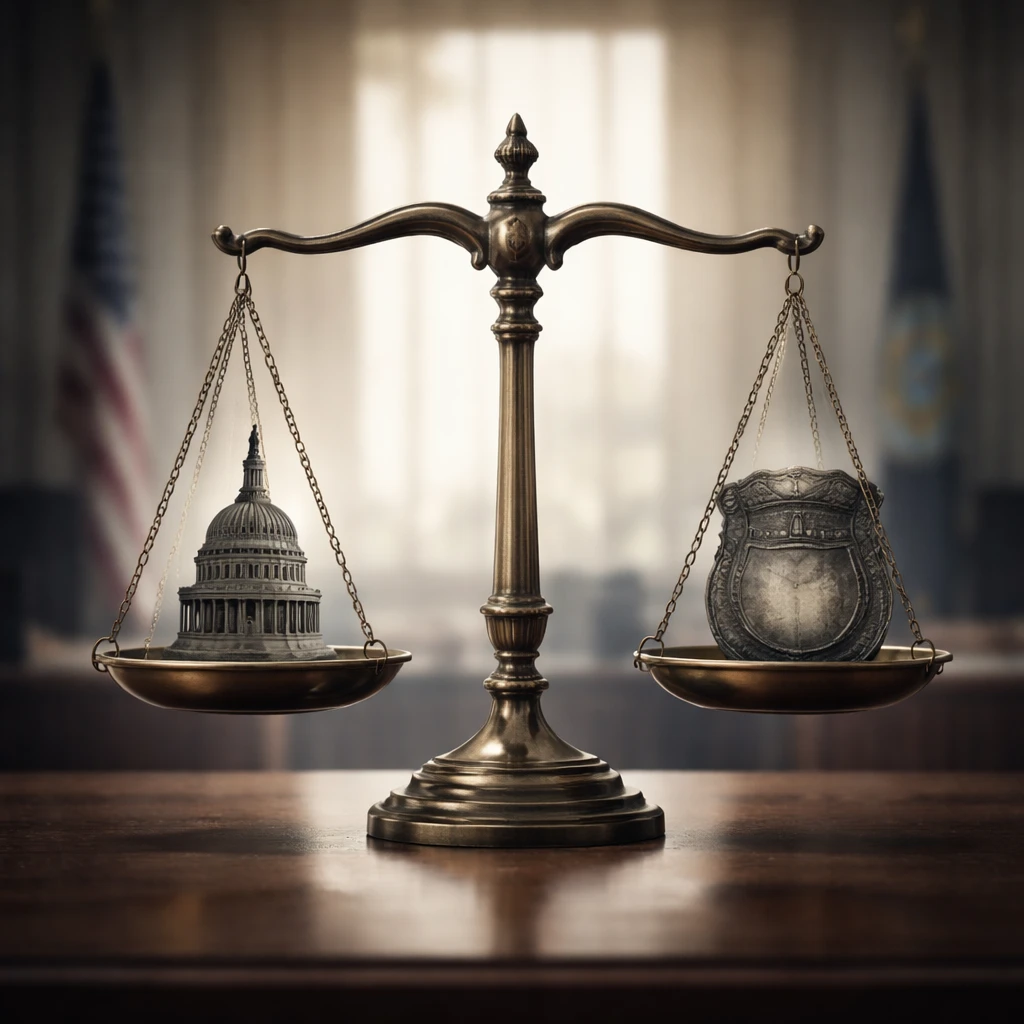

In a firm stance on Tuesday, Senate Minority Leader Chuck Schumer (D-New York) announced that Senate Democrats intend to block the funding legislation for the Department of Homeland Security (DHS) unless comprehensive and fundamental changes are made to the immigration enforcement practices of agencies such as Immigration and Customs Enforcement (ICE). This announcement comes in the aftermath of two fatal shootings in Minneapolis in which immigration officers were involved, raising urgent questions about the conduct and accountability of these agencies.
Schumer articulated his position on the social media platform X, emphasizing that the recent incidents exposed serious abuses within ICE and demonstrated recklessness by the administration overseeing these operations. According to him, these circumstances warrant a complete rewrite of the DHS budget, making its passage conditional upon the implementation of significant reforms. "I will oppose any legislation funding ICE until it is reined in and overhauled," Schumer declared, drawing a definitive boundary on legislative support.
The trigger for Schumer's demand includes the fatal shooting of Alex Pretti, a 37-year-old intensive care nurse and U.S. citizen, in Minneapolis. Pretti's death was the latest in a series of occurrences that have amplified scrutiny on immigration enforcement. Earlier this month, Renee Good, also 37 and a Minneapolis resident, was fatally shot during an immigration operation. These two incidents have intensified calls from Democrats for a rigorous reassessment of the immigration agencies' role and regulation.
Addressing the Senate floor, Schumer acknowledged that incremental administrative changes are inadequate in light of these tragic events. He insisted that meaningful reforms must originate from Congress, underscoring the necessity for bipartisanship in achieving these objectives. "The public cannot rely on the administration alone to correct these issues," he stated, urging collaboration between Republicans and Democrats.
This strong opposition from Senate Democrats has escalated the possibility of a partial government shutdown. The existing DHS funding authorization is set to expire on January 30, and the current appropriations package encompassing six spending bills, including DHS, has encountered resistance from Republicans unwilling to accept limitations on immigration enforcement within it. Several GOP members have proposed that President Donald Trump could address Democratic demands through executive orders instead.
Democrats have suggested sidelining the DHS spending bill from the broader appropriations package to allow the passage of the other five spending measures, a strategy that would require unanimous agreement among all 100 senators. However, Republican leadership argues that it is crucial to maintain DHS funding as a unified package to ensure uninterrupted support for ICE and Border Patrol operations, particularly for essential functions such as equipment procurement, training programs, and oversight mechanisms. Senate Majority Leader John Thune (R-South Dakota) expressed his preference on Tuesday to keep the package intact. Concurrently, House Republicans are applying pressure on their Senate colleagues to refrain from separating the DHS funding bill.
The city of Minneapolis has emerged as a focal point of national debate following these two fatal shootings linked to immigration enforcement operations. Both local and national Democratic leaders have called for the resignation of Homeland Security Secretary Kristi Noem and are urging the withdrawal of all federal immigration agents from the Minnesota region. These demands underscore the heightened tension and public scrutiny surrounding the conduct of federal immigration authorities in the area.