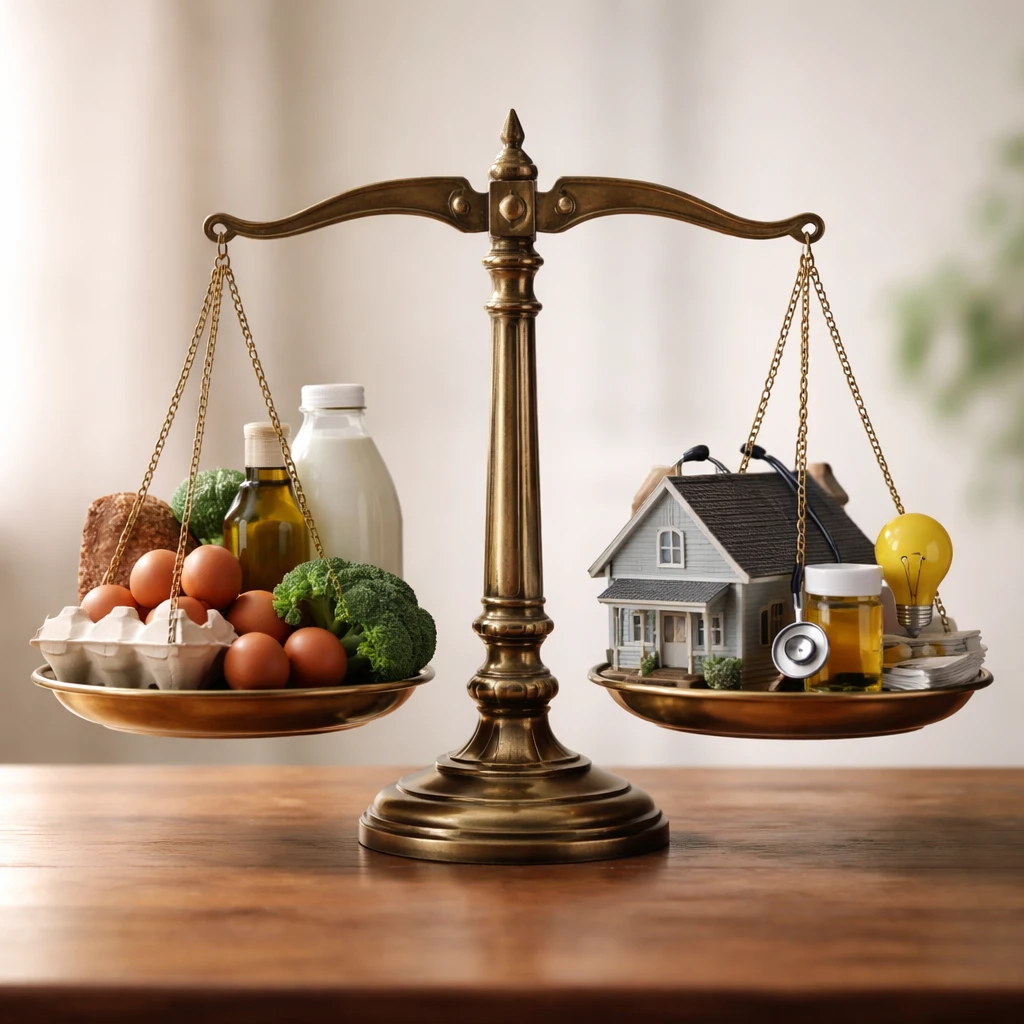

Throughout 2025 and moving into 2026, President Donald Trump shifted from previously dismissing affordability concerns to launching a series of policies targeted at reducing costs on key consumer expenses. These include initiatives addressing the escalating prices of food, electricity, housing, credit card interest, prescription medicines, and gasoline. Among the proposals under consideration is the possibility of issuing $2,000 stimulus checks in 2026, alongside plans to appoint a new Federal Reserve Chair with intentions to swiftly reduce interest rates. However, crucial questions around the viability and long-term impact of these policies persist.
Some of these measures appear to be mitigating financial pressures, while others could require time to materialize meaningful relief. Additionally, certain policy directions may unintentionally counteract the intended affordability improvements.
Even in a hypothetical scenario where President Trump had not altered his stance on affordability and continued labeling it a "hoax" or a "scam," there is a plausible chance that living costs might have eased somewhat regardless, due to broader economic factors and policy dynamics.
Prospective Economic Relief on the Horizon
Americans can anticipate various forms of financial amelioration in the near term, with multiple avenues contributing to improved affordability.
- Tax refunds: The "One Big Beautiful Bill Act" pioneered by the Trump administration is forecasted to enable income tax refunds for many taxpayers that are 15% to 20% larger compared to the previous year, potentially translating into substantial additional disposable income.
- Mortgage interest rates: Interest rates for mortgages have continued a downward trend, recently dipping below the 6% threshold for the first time in over three years, thus potentially decreasing monthly housing costs for borrowers.
- Federal Reserve policies: The Federal Reserve's reduction of interest rates in the prior year contributes to lower borrowing costs overall, which might indirectly stimulate economic activity and employment growth with some delay.
- Gasoline prices: A combination of a global surplus in oil supply and decreased fuel demand has driven gasoline prices down, directly benefiting consumers' transportation expenses.
These improvements could help increase discretionary spending power, particularly among lower- and middle-income populations often described as comprising the lower leg of the economy’s K-shaped recovery.
Heather Long, chief economist at Navy Federal Credit Union, noted that the bottom tier of the K-shaped economic structure may fare better than widely anticipated, citing additional tax refunds and a surge in mortgage refinancing as avenues providing financial relief to middle-class households.
Ongoing Challenges and Political Implications
Despite these positive trends, economic conditions remain a weak spot politically for President Trump and the Republican Party, especially as midterm elections approach. American households continue to grapple with the fallout from 2022's sharp inflation spike, which reached a four-decade high.
Although inflation has subsided, price increases remain elevated relative to comfortable levels. Notably, the costs of housing and child care continue to be prohibitively high and difficult to access broadly. Furthermore, electricity prices have surged, partly driven by increased demand from artificial intelligence-powered data centers. Food prices, including key grocery staples like beef, also exhibit growth rates surpassing general inflation metrics.
Reflecting this unease, a recent CNN poll revealed widespread economic pessimism, with only about 30% of Americans expressing a favorable assessment of the economy. A majority believe that President Trump's policies have worsened the economic situation, and an even larger portion feels his efforts have been insufficient to improve the affordability of everyday goods.
In response, the White House has outlined an aggressive affordability agenda, with a detailed policy unveiling planned at the World Economic Forum in Davos, Switzerland. Initiatives include proposals such as capping credit card interest rates at 10%, conducting high-value electricity auctions for technology companies, prohibiting institutional investors from acquiring single-family homes, and negotiating with pharmaceutical firms to lower drug costs.
Economic analysts acknowledge that government actions, like the administration's $200 billion purchase of mortgage bonds, have contributed to incremental reductions in mortgage rates. Yet, industry representatives caution that interventions such as credit card interest caps might backfire, potentially reducing credit availability. Comprehensive assessments of these affordability strategies continue to emerge as policymakers and experts evaluate their practical impacts.
Factors That Could Undermine Affordability Progress
While some policies may ease economic burdens, other aspects of President Trump's agenda could jeopardize affordability gains.
- Social program changes: Actions aimed at reducing access to Medicaid and Supplemental Nutrition Assistance Program (SNAP) benefits threaten the financial security of millions.
- Energy and labor policies: Moves to halt renewable energy projects and restrict collective bargaining rights may exert pressure on energy costs and workers' financial stability.
- Federal workforce reductions: The Department of Government Efficiency's efforts to decrease federal employment levels could influence public services and economic conditions.
- Tariffs and trade tensions: Increased tariffs, including recent threats targeting Europe related to territorial disputes over Greenland, risk boosting consumer prices as businesses pass costs onto customers. Such tariffs also generate uncertainty for employers, contributing to stagnant job growth and a restrictive labor market that limits both employment opportunities and wage advancements.
- Geopolitical risks: Potential military actions, such as an attack on Iran, might disrupt global oil supplies, causing fuel prices to spike.
- Federal Reserve credibility: The surprising subpoena of Federal Reserve Chair Jerome Powell by the Trump administration as part of a criminal investigation has drawn criticism from economists, international central bankers, and bipartisan congressional members. Many argue this development undermines confidence in the Federal Reserve's independence and overall economic stability.
Economic Outlook and Public Perception
Despite ongoing policy turbulence and political challenges, the U.S. economy continues exhibiting considerable strength and robust growth. Leading forecasts, such as the Atlanta Federal Reserve's "GDP Now" model, signal a particularly strong performance in the closing quarter.
Anchoring this growth are substantial investments from technology firms into artificial intelligence infrastructure and resilient consumer spending, predominantly maintained by higher-income segments commonly referred to as the upper portion of the economic K-shaped recovery.
Nevertheless, the average American consumer's perception of the economy remains subdued. Echoing the experience of former President Joe Biden, President Trump confronts the difficulty that simply declaring or promoting affordability initiatives does not translate directly into improved public sentiment or optimism unless tangible financial benefits are felt in personal finances.
Incremental improvements in financial situations resulting from larger tax refunds or refinanced higher-cost debts offer some relief. However, overall economic pressures persist, and a broader sense of economic well-being is unlikely to rebound fully without sustained job growth and further economic expansion.
Heather Long summarized the situation by emphasizing that while some households may experience modest improvements following policy-driven financial adjustments, underlying economic challenges remain. The trajectory of job creation and wage growth in the coming months will be a critical determinant in whether affordability improves in any meaningful and lasting way.