
Recent incidents involving the deaths of Renee Good and Alex Pretti in Minneapolis have provoked a substantial reaction among employees within the technology sector, particularly across Silicon Valley's major firms. Over 450 workers, including staff at Google, Amazon, and TikTok, have now signed a public letter urging their companies to withdraw from contracts with the U.S. Immigration and Customs Enforcement agency (ICE) and urging their chief executives to leverage their platforms and influence to advocate for ICE’s removal from urban areas.
This collective action marks a notable shift for Silicon Valley, which, after an initial surge of vocal opposition to President Donald Trump’s policies during his first term, had recently become more muted. The letter stands as the first robust, organized resistance against the continuation of Trump-era immigration enforcement from within the tech world in several years.
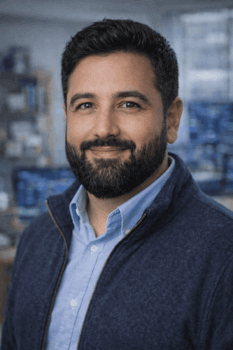
According to Pete Warden, a startup founder and ex-Google engineer who signed the letter, many employees who previously chose silence have been compelled by the graphic realities of Minneapolis’s street violence to finally speak up. "The sheer horror of what's happening on our streets has shocked them into realizing they have to say something," he commented.
Silicon Valley’s early opposition to Trump’s directives, particularly regarding immigration restrictions, was substantial. In 2017, Google co-founder Sergey Brin participated in protests against the administration’s Muslim travel ban. Nonetheless, this atmosphere of resistance has waned, particularly after President Biden's election when many tech leaders perceived growing dissatisfaction toward the administration’s stance on technology companies. This led to increased financial support for Trump’s 2024 campaign and efforts by tech executives to cultivate closer ties with the former president following his electoral win.
Mike Brock, a former Block executive and political commentator, notes that prior to the 2024 elections, Silicon Valley's managerial class anticipated needing to adjust their postures should Trump win. He identifies that a significant deterrent to open dissent among workers was fear of job loss over the past year.
While commentary on Silicon Valley's rightward drift has focused on prominent figures like Marc Andreessen and Elon Musk, Warden observes that the broader workforce often retains progressive personal beliefs but remains cautious about expressing them publicly due to concerns around job security.
Meanwhile, the role of technology in federal immigration enforcement has expanded. ICE utilizes artificial intelligence and facial recognition technologies for surveillance activities targeting undocumented immigrants and monitoring public communication. Amazon Web Services (AWS) supplies data storage services to ICE, and both Apple and Google have taken down apps that alerted users to ICE presence after pressure from officials. Additionally, ICE has recently requested assistance from tech companies regarding access to big data and advertising technologies that could support investigative operations.
The killings of Renee Good and Alex Pretti were captured on video, presenting evidence that challenged federal narratives and intensified calls for action within the technology community. High-profile tech leaders responded publicly: Reid Hoffman called for nationwide opposition to ICE's actions, Jeff Dean condemned Pretti’s killing as disgraceful, and Yann LeCun labeled the perpetrators as "murderers." These statements have emboldened additional employees to support the cause, revealing the hesitance many felt previously due to uncertainties around job security and workplace repercussions.
Despite this growing internal advocacy, voices from the government maintain strong defense of ICE's role. The White House spokesperson Abigail Jackson characterized ICE officers as heroic and dismissed critics as supporters of criminal illegal activity.
For tech employees engaging in this activism, the personal and professional risks remain significant. Warden disclosed fears that speaking out could jeopardize venture capital support and threaten the viability of his startup, Moonshine AI. Yet, he considered these risks minor compared to the dangers faced daily by residents of Minneapolis affected by enforcement violence.