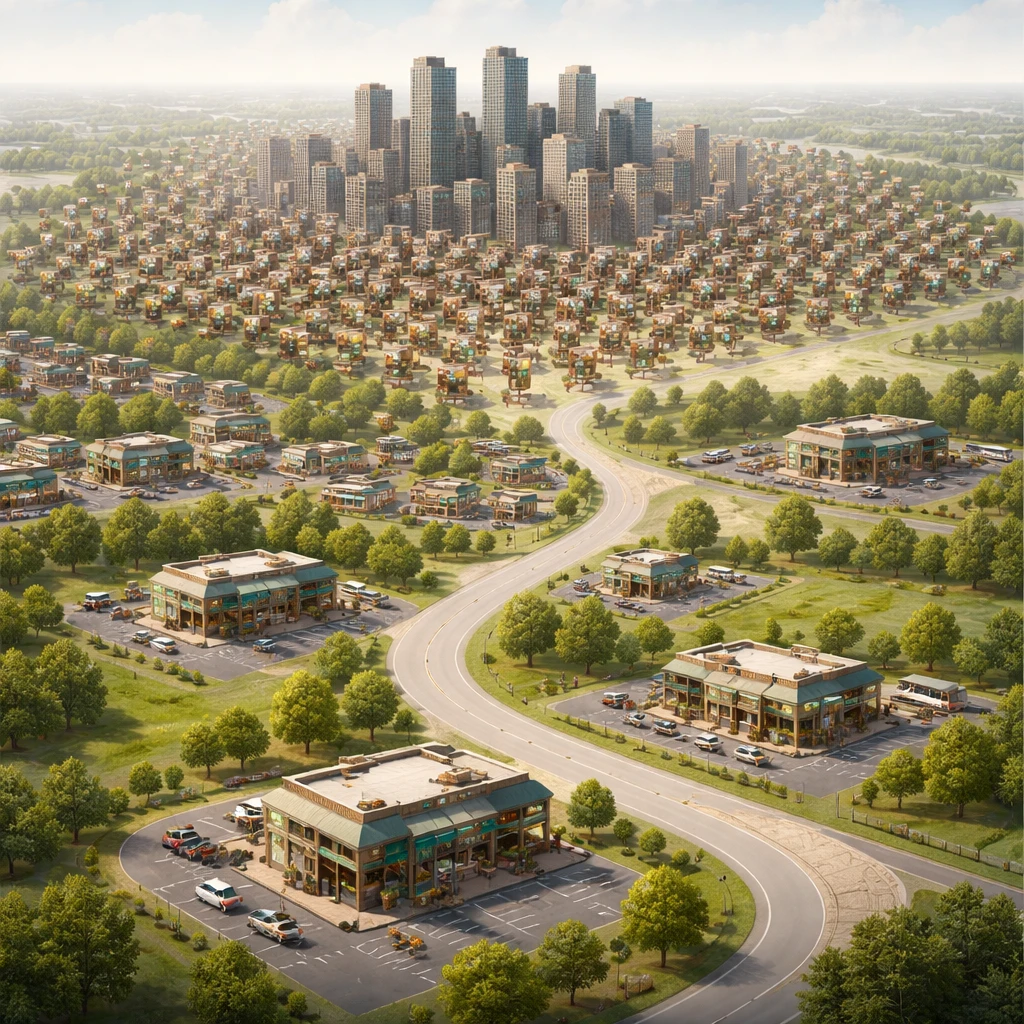

Starbucks, once known for its ubiquitous presence on city streets across the United States, is now pulling back from its prior strategy of heavy urban saturation. For many years, the coffee chain expanded rapidly in metropolitan hubs such as New York City, Los Angeles, Chicago, San Francisco, and others, often resulting in multiple stores located in close proximity. This aggressive expansion made Starbucks practically impossible to avoid in these areas, a phenomenon that had even become fodder for popular culture and satire. For example, in 1998, a headline from The Onion humorously suggested a new Starbucks had opened within the restroom of an existing location. Later, comedian Lewis Black remarked on spotting two Starbucks coffee shops directly opposite each other in Houston, illustrating the extent of the company's urban dominance.
However, this era of limitless growth appears to be over. Starbucks now finds itself grappling with numerous challenges that have undercut the effectiveness of its earlier strategies. The company faces mounting competition from a range of emerging specialty coffee shops, smaller regional chains such as Gregory's and Joe's Coffee, and a surge of alternative beverage retailers offering smoothies, bubble tea, and other niche drinks. These competitors have eroded Starbucks' customer base in dense urban markets, where consumers have more options than ever before.
Moreover, broader market and societal changes have contributed to Starbucks' reassessment of its footprint. Urban population declines following the COVID-19 pandemic reduced the number of potential customers in core city centers, though some recovery has been seen since 2023. The rise of remote work has permanently altered commuting patterns, diminishing the daily influx of office workers who previously constituted a substantial share of Starbucks' urban customer traffic. As a result, some Starbucks locations, including several in downtown Los Angeles office buildings, were shut down due to reduced demand.
Operational challenges unique to urban environments have further complicated Starbucks' position. The company has contended with issues related to increasing needs for store safety and hygiene. Former CEO Howard Schultz commented on the mental health crisis in the U.S. and how some Starbucks stores were being used as de facto public restrooms or places for panhandling, vaping, and alcohol consumption. This situation led Starbucks to revise its prior policy allowing anybody to use store facilities without making a purchase and to post signs restricting such activities in many locations.
Under the leadership of CEO Brian Niccol, who joined Starbucks from Chipotle in 2022, the company has initiated a substantial restructuring program costing approximately $1 billion. This program includes the closure of roughly 400 stores nationwide, predominantly in large metropolitan areas, reflecting a strategic pullback from its earlier density-focused approach. For instance, in New York City alone, Starbucks closed 42 cafes, representing about 12% of its total local locations. This contraction also impacted other major cities, with over 20 shuttered in Los Angeles, 15 in Chicago, 7 in San Francisco, 6 in Minneapolis, and 5 in Baltimore, among others.
The Center for an Urban Future, a New York City-based think tank that monitors chain restaurant openings and closings, notes that Starbucks recently lost its position as Manhattan's largest coffee chain to Dunkin'. Starbucks' representatives have acknowledged the company conducted a comprehensive assessment of its more than 18,000 stores across the U.S. and Canada. Locations that failed to meet updated brand standards or showed persistent underperformance were selected for closure. Looking ahead, Starbucks plans to invest in renovating and opening new stores in key metropolitan areas, including New York and Los Angeles, starting in 2026. These updated stores will feature refreshed designs and enhanced customer experiences aimed at revitalizing the brand's appeal.
Starbucks' earlier success paradoxically contributed to its current hurdles. It pioneered a market where consumers became accustomed to paying premium prices for crafted coffee beverages, like lattes, revolutionizing American coffee consumption. Yet, with this entrenched presence came a dilution of customer volume across stores closely located, leading to cannibalization of sales within its own network. According to Arthur Rubinfeld, Starbucks' former chief strategist for real estate and design, closing underperforming urban locations can improve sales at nearby stores that are larger and better equipped for customer needs.
Industry analysts observe that Starbucks' growth potential may now be greater in suburban markets, where operational expenses such as labor and rent are significantly less burdensome compared to major cities. The company is focusing efforts on expanding drive-through outlets in these suburban regions to capitalize on shifting consumer preferences and cost advantages.
Niccol's strategy also emphasizes repositioning Starbucks stores as a "third place," an environment that offers a welcoming atmosphere distinct from both home and workplace. A key component of this approach involves renovating approximately 1,000 company-owned U.S. stores within the next year. These remodels will introduce comfortable seating, tables, couches, and power outlets to encourage customers to linger and enjoy their coffee experience.
Despite these initiatives, the company’s turnaround journey has proven more difficult and time-consuming than anticipated. Shares of Starbucks have declined by about 6% in the current year, reflecting investor caution. As noted by William Blair analyst Sharon Zackfia, improving the customer experience extends beyond physical store upgrades; operational challenges remain. Starbucks must simultaneously satisfy two different customer groups: those seeking quick grab-and-go service and those wanting a relaxed sit-down experience. Meeting the varying expectations of these segments within the same locations continues to be a significant hurdle.
In summary, Starbucks is actively restructuring its store portfolio and refining its brand positioning in response to changing urban demographics, competitive pressures, and evolving consumer behaviors. The company's retreat from street saturation in cities like New York and Los Angeles represents a strategic adaptation to preserve its long-term viability and profitability in a complex and shifting retail environment.