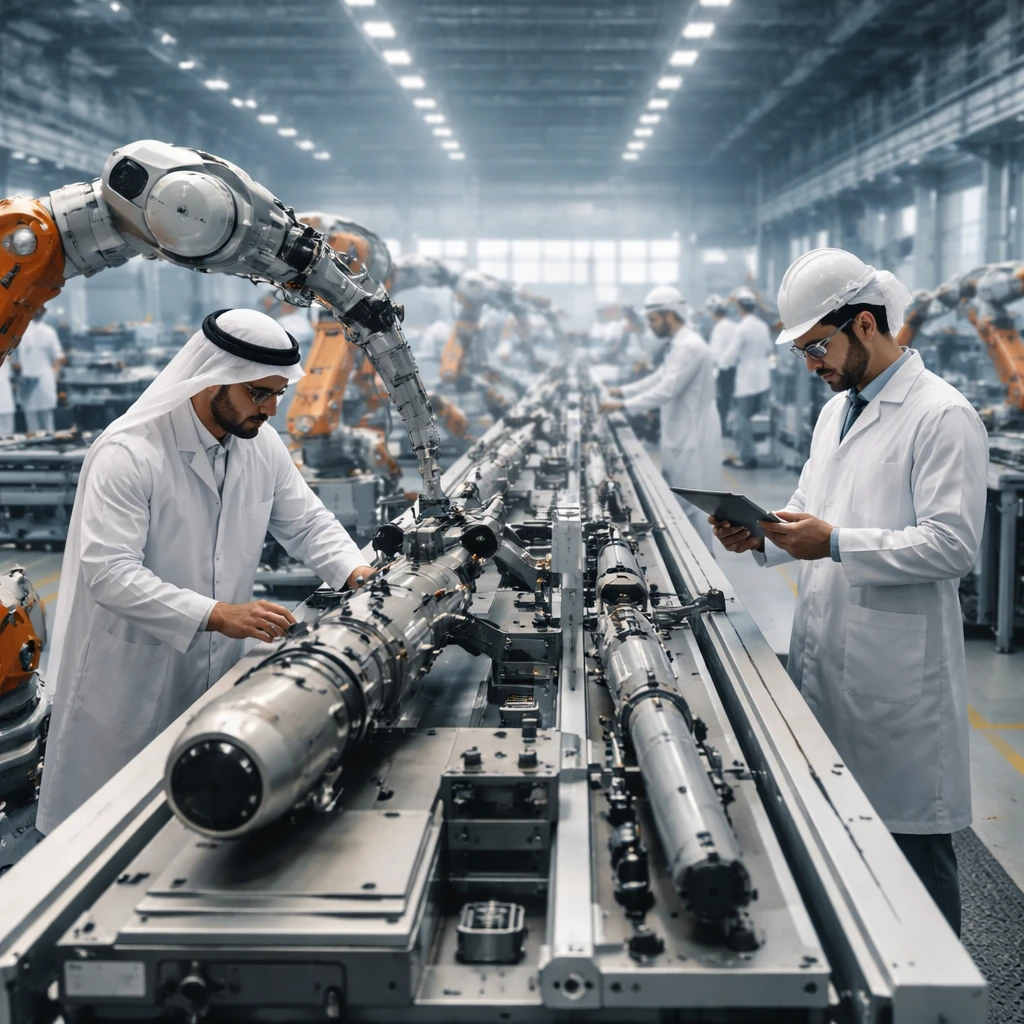

Historically, Gulf nations have been prominent buyers of international defense systems, procuring advanced weaponry from established global suppliers to meet their security requirements. However, recent developments demonstrate a concerted effort by these countries to transition from mere purchasers to designers and manufacturers of their own defense technologies.
This evolving defense posture was prominently showcased during a major aerospace and defense exposition in Dubai, where Gulf-based defense enterprises presented their emerging domestic production capabilities. This event brought to the forefront the region's growing ambition not only to meet internal security demands but also to position itself as an exporter within the global arms market.
Underlying this transformation is an increased sense of urgency driven by regional geopolitical instability. The Gulf states are seeking to reduce dependency on external suppliers, which can sometimes be subject to political constraints and supply uncertainties. By developing indigenous manufacturing capabilities, these nations aim to secure more reliable access to critical defense equipment and foster technological sovereignty.
The push towards local production involves significant investments in research and development, infrastructure, and skilled workforce training to build the necessary industrial base. Gulf countries are engaging in partnerships and technology transfers to accelerate this process, leveraging existing defense relationships to acquire know-how while simultaneously nurturing homegrown innovation.
Moreover, the region's strategic pivot includes broader ambitions to enter the competitive global defense export market. By enhancing their manufacturing capacities, Gulf countries intend to diversify their economic base and create new revenue streams through arms exports. This intention signals a comprehensive approach that marries defense self-sufficiency with economic diversification goals.
Despite considerable progress, the shift towards indigenous production is complex and entails navigating technical, regulatory, and market challenges. Achieving early-stage production targets is promising; however, scaling up to compete with established international defense manufacturers requires sustained commitment and investment.
The regional context of heightened tensions undoubtedly accelerates this strategic shift. Security concerns impel Gulf nations to seek greater control over their defense assets, reducing vulnerabilities associated with reliance on foreign suppliers. Nevertheless, the ultimate success of these efforts hinges on maintaining consistent development momentum and effectively integrating technology and manufacturing competencies.
In sum, the Gulf's defense industry is undergoing a fundamental transformation from dependency on imported armaments to cultivating robust indigenous manufacturing capabilities. This evolution aims to strengthen regional security autonomy and lay the groundwork for a competitive presence in the global arms market. The ongoing progress reflects a calculated response to regional geopolitical dynamics and economic diversification strategies.