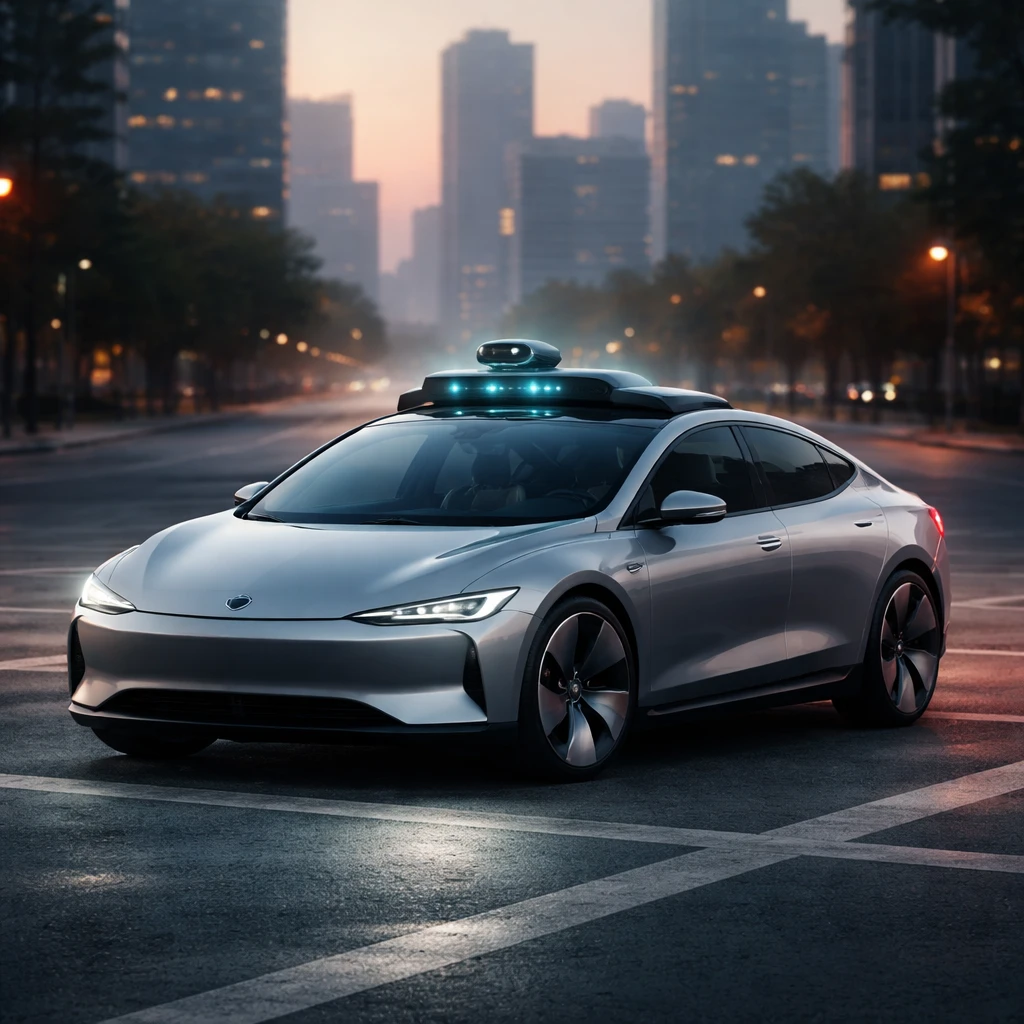
Tesla, under CEO Elon Musk's leadership, unveiled a robotaxi service using vehicles equipped with its full self-driving (FSD) system in Austin, Texas, this past June. At the outset, Musk set an ambitious objective: to serve half of the American population by the year’s end. However, this target was swiftly revised downward to encompass only eight to ten metropolitan areas. As 2026 begins, the robotaxi service operates solely in Austin and the San Francisco Bay Area, with each ride still requiring the presence of a company employee in the vehicle.
Despite these limitations, Tesla's stock has surged over 50 percent since June, reaching unprecedented highs, propelled largely by Musk's lofty promises surrounding the transformative potential of robotaxi services. Musk has previously asserted that the introduction of this technology would dramatically alter Tesla's financial prospects and position the company as the world's most valuable entity.
Contrasting sharply with these optimistic forecasts is Tesla’s electric vehicle (EV) sales performance, which has been faltering. In 2025, Tesla experienced a record 9 percent decline in EV sales, a dramatic reversal from prior years of robust growth. This downturn underscores the criticality of 2026 as a defining period during which Tesla must deliver on its autonomous vehicle ambitions or potentially face significant investor backlash and value erosion.
Ross Gerber, CEO of Gerber Kawasaki and an early Tesla investor turned vocal skeptic, warned of an impending 'reckoning' for the electric carmaker. Gerber argues that analysts may soon confront the reality that Tesla's robotaxi projections are overly optimistic. He pointed out the concerning trend of declining car sales amidst these unfulfilled promises, highlighting a significant risk to the company’s future.
Turning to Tesla's recent sales dynamics, the company benefited from a surge in purchases preceding the expiration of the $7,500 EV tax credit on October 1, 2025. The third quarter saw global sales at record levels, buoyed by a rush of American buyers capitalizing on this incentive. However, this momentum quickly dissipated. Data from Cox Automotive reveals that overall U.S. EV sales plunged nearly 50 percent between the third and fourth quarters. Globally, Tesla’s vehicle sales declined 16 percent across the same timeframe and marked the second consecutive annual decrease.
This downturn marks a sharp reversal for Tesla, which had previously posted annual sales increases approaching 50 percent. Compounding these challenges, the company faced increasing criticisms related to Musk’s political involvement and controversies, along with intensified competition from global automakers. Notably, Chinese manufacturer BYD surpassed Tesla as the world’s largest EV seller despite not operating in the U.S. market.
Musk’s high-stakes reliance on the robotaxi initiative has grown even more pivotal amidst these pressures. However, the company has historically tended toward optimistic timelines regarding autonomous driving launches. The robotaxi service has been heralded as 'imminent' since 2019, yet fully driverless rides remain unavailable. In contrast, competitors like Waymo, Google parent Alphabet’s self-driving unit, have demonstrated more tangible progress. In 2025, Waymo provided 14 million fully autonomous paid rides without employees in the vehicles, bringing their five-year total to 20 million. Their service operates across five metropolitan areas, including Atlanta, Austin, Los Angeles, Phoenix, and San Francisco.
The disparity between Tesla’s direct robotaxi accomplishments and Waymo’s established operations is pronounced. Despite this, Wall Street continues to express confidence in Tesla’s self-driving prospects. Wedbush Securities analyst Dan Ives, a noted Tesla proponent, forecasted that there would be robotaxi availability in 30 cities by 2026. Ives suggests that the company’s approach requires a gradual, methodical expansion, likening it to a “brick-by-brick” process essential to facilitating Tesla’s most significant growth phase to date.
However, early indicators from Tesla’s Austin robotaxi rollout have raised safety concerns. Reports submitted to the National Highway Traffic Safety Administration (NHTSA) cite eight accidents involving their FSD vehicles, despite the presence of employees during these autonomous drives. Furthermore, the NHTSA has initiated several investigations into the safety of Tesla’s autonomous features, intensifying the scrutiny and skepticism surrounding their readiness for widespread deployment.
Industry critics remain unconvinced that Tesla’s robotaxi service will be sufficiently safe or operationally viable to fulfill Musk’s expansive vision anytime soon. Analyst Gordon Johnson, a leading critic of both Tesla and Musk, characterized the CEO’s history as one of promising outcomes that remain unmet. Johnson highlighted the strain of sustaining a business that continues to generate losses in its core segments while failing to deliver on ambitious forecasts. This, he warns, is likely to prompt increased selling pressure from investors wary of the company’s trajectory.
As Tesla stands at this crossroads, the company’s ability to realize the promised robotaxi revolution amid declining core sales will be extensively scrutinized throughout 2026. Investors, regulators, and consumers alike await tangible progress in a company that has once again pledged transformative change but faces mounting evidence that the path ahead may be more complex and fraught than anticipated.