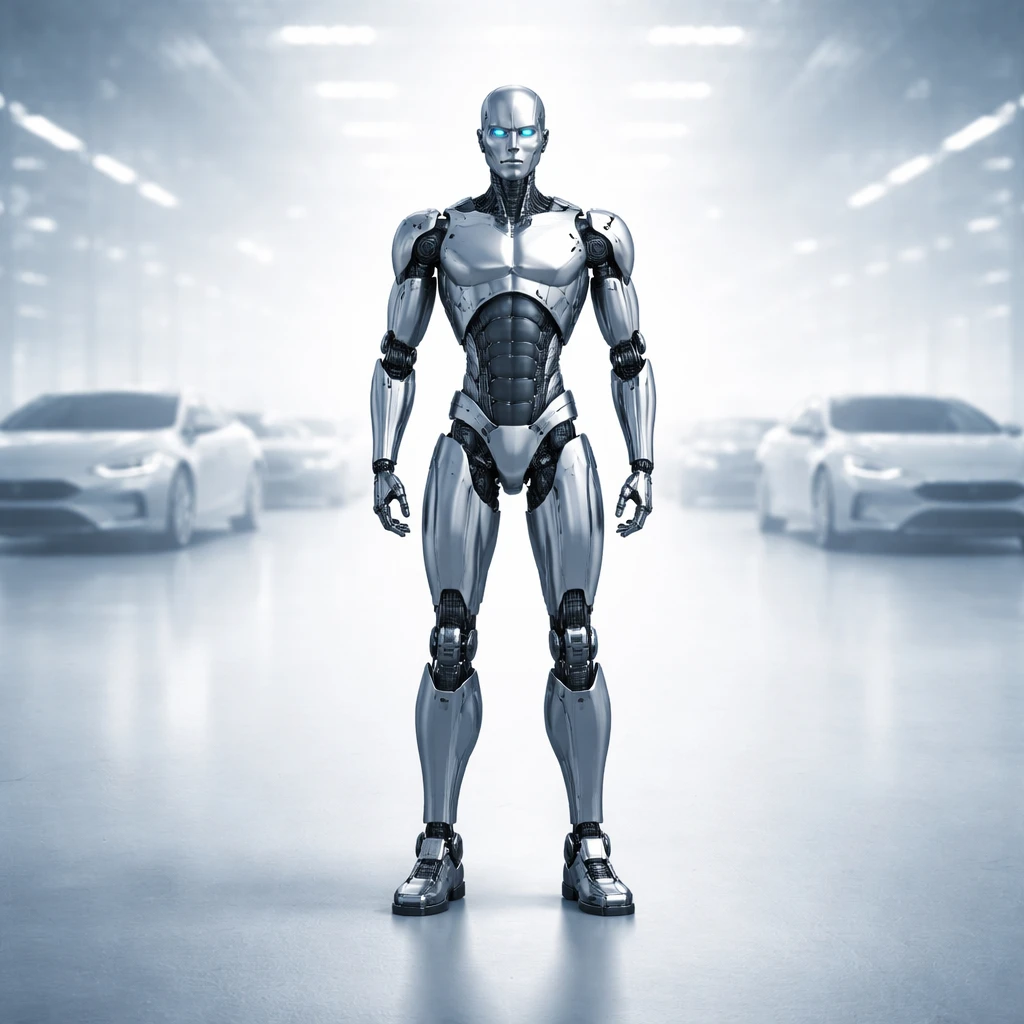

During its latest earnings call, Tesla outlined a significant change in its production portfolio, revealing plans to phase out certain car models to enable the manufacturing of humanoid robots. CEOs and investors were offered a detailed perspective on how these changes reflect Tesla's evolving business strategy, particularly emphasizing the role of robotics in the company's long-term objectives.
Elon Musk, Tesla's CEO, described this shift as a critical step toward realizing a broader vision involving humanoid robotics. By reallocating resources previously dedicated to specific vehicle lines, Tesla aims to streamline operations and focus more intensely on the emerging robotics market segment.
The vision for humanoid robots is not merely an ancillary venture but a foundational component of Tesla's future business framework. Leveraging the company's expertise in artificial intelligence, battery technology, and manufacturing efficiency, Tesla intends to develop robots capable of handling complex tasks that currently require human labor.
At the same time, Tesla’s recalibration of its product offerings reflects a prioritization of innovation and automated solutions, signaling a transformative approach to how the company views mobility and automation. The discontinued car models, while once integral to Tesla's lineup, are being retired to concentrate efforts on technologies that promise broader impacts across various industries through robotics.
In parallel to these operational shifts, attention has also been drawn to the compensation arrangement for Elon Musk, whose pay package remains tied closely to the company's performance milestones. The details revealed during the call reaffirm Musk's incentivization model, which links his remuneration directly to Tesla's achievements in market share, revenue growth, and technological advancements.
Musk’s payment structure underscores a commitment to aligning executive rewards with shareholder interests, promoting sustained company growth through operational excellence and innovation drive. This approach is consistent with Tesla's culture of performance-based incentives aimed at motivating leadership in high-stakes development sectors such as robotics.
Overall, Tesla’s decision to phase out select car models in favor of humanoid robot production highlights a strategic pivot designed to capitalize on the future of automation and artificial intelligence. Investors and industry analysts will be watching closely to assess how effectively Tesla implements this transition and the broader impact it may have on its business model and market positioning.
The company’s emphasis on robotics signals not only a diversification of its product portfolio but also a potential transformation in workforce dynamics and industrial applications, with Tesla positioning itself at the forefront of this technological evolution.